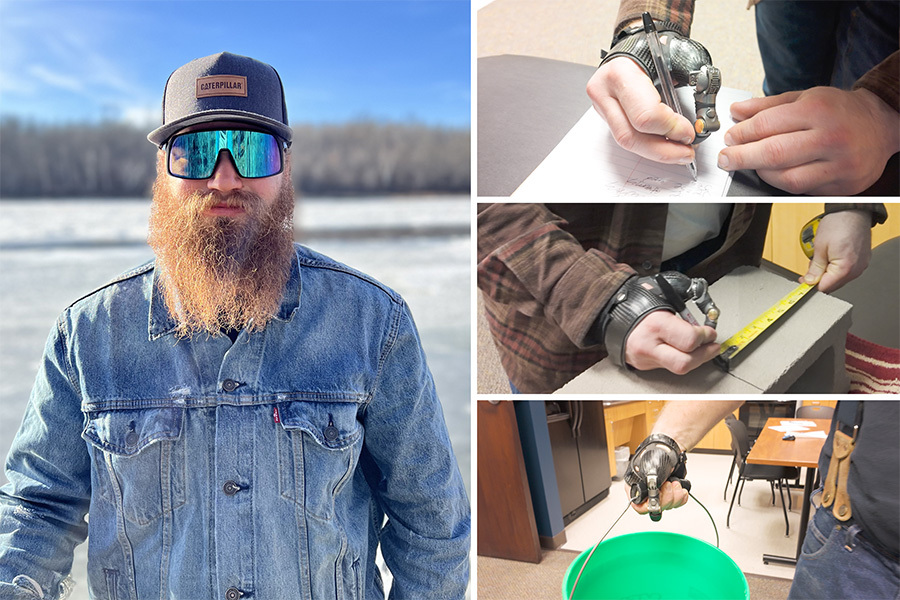
On April 19th, 2024, our patient Dustin was very unlucky. He happened to be in the wrong place at the wrong time. He was at work, in a tractor, when an accident happened and Dustin was electrocuted. His heart stopped – he technically died. After weeks at a burn unit, Dustin was released, but he had lost his left arm below the elbow.

On April 19th, 2024, our patient Dustin was very lucky. Although he was electrocuted and his heart stopped, his coworkers were able to perform CPR and keep him breathing until paramedics arrived minutes later to revive him with a defibrillator. But unlike some people who've been electrocuted, he kept his right arm. His wife was able to stay with him, his teen daughters were able to visit him, and his entire community supported Dustin and his family.

What’s the difference between these two true stories? Perception. Yes, Dustin lost an arm and had to go through a lengthy recovery process, but he considers himself lucky. “I’m extremely fortunate,” he told us. On the one-year anniversary of his electrocution, which was right before his birthday, his wife threw him a big party with all their friends, so everyone could celebrate Dustin still being with them. “The plan is to do it again this year.”

1000013664
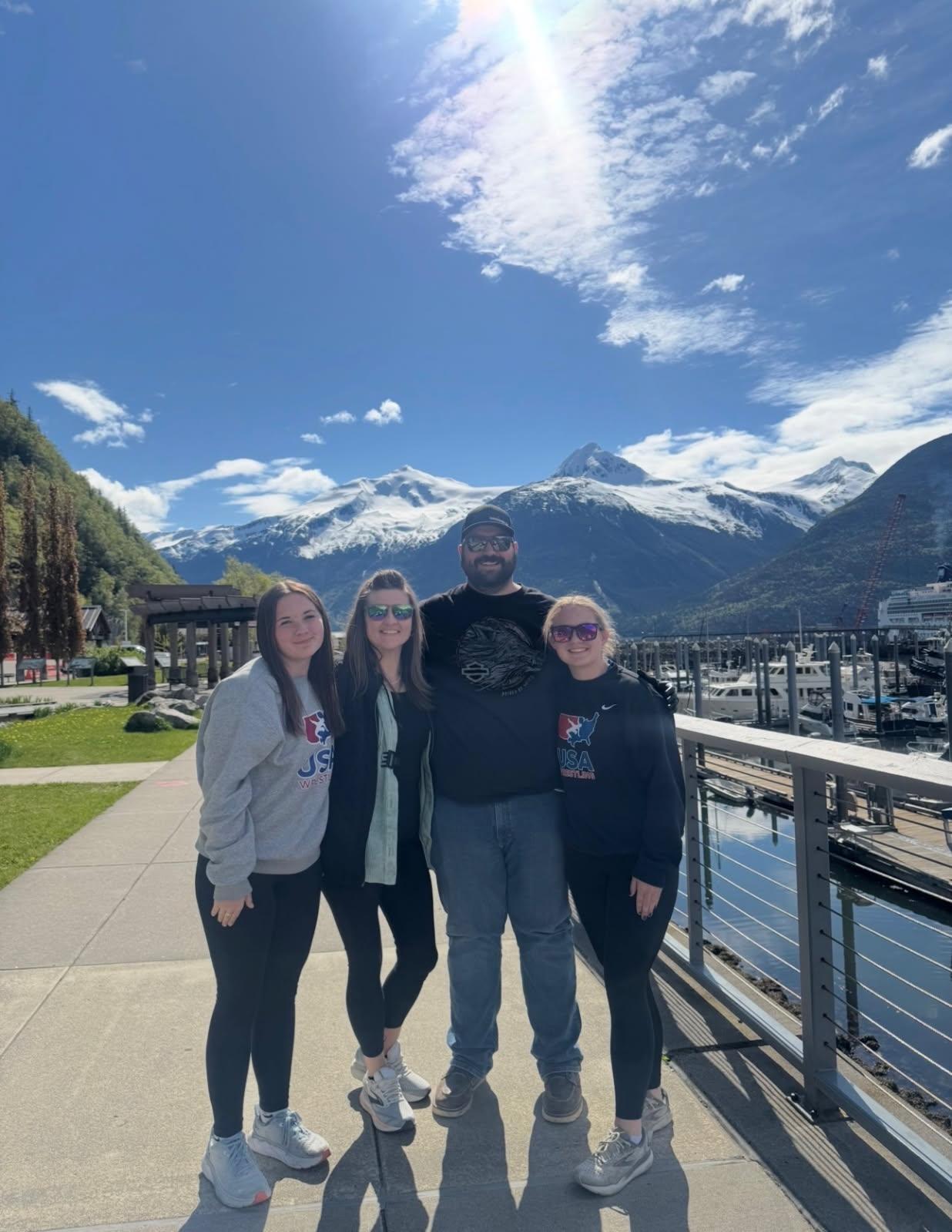
Dustin with his family in Skagway, Alaska - and you can see his TASKA hand.

Dustin remembers nothing about the accident, and very little about the three weeks he spent in the burn unit. “I remember them taking out the wound vac – that was really painful. Not a great thing to remember. And I remember the first time I got to take a shower – a much better memory.”

Once he was home and beginning to recover, he started looking at different prosthetic care providers. “I was considering one that was close to me – I live in the western part of Kansas, near the Colorado border. But my workers’ comp suggested I go to Arm Dynamics. I told the first prosthetic center that and they were like, ‘Oh, we can’t compete with that – definitely go there.’ So that made me pretty confident going to Arm Dynamics and worth the six-and-a-half-hour drive. I am so grateful that workers’ comp sent me to them. I’ve had as good of an experience as possible with them. They were very informative – I really couldn’t have asked for a better team. I’ve been 100% blown away with their knowledge, and then they’re able to communicate all that to me to so I can make the best decisions.”

Dustin knew he wanted heavy-duty terminal devices. He was interested in the TASKA hand from the get-go, but in addition, his prosthetist, Julian, and clinical therapy specialist, Lauren, recommended getting an electric terminal device (ETD) to use for heavier tasks. “I was a truck driver when all this happened. Currently, I’m a service manager at our shop, but now and then I still get to drive a bit – that’s what I love to do. The ETD allows me to help at work at the farm dealership – when we’re tying the equipment down, getting tractors and combines to be hauled out – I needed something strong and durable – so that’s why they recommend the ETD. I use it at work and also at home, like when I work on my pickup.”

1000013667
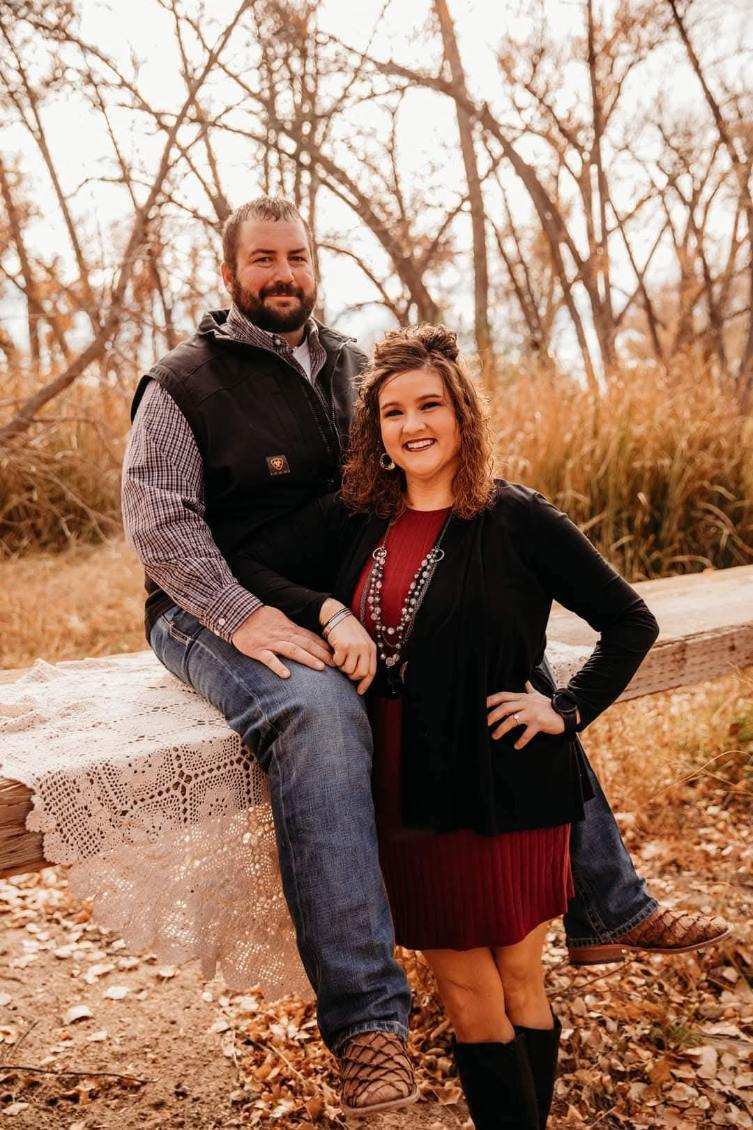
Dustin with his wife.

“I call my TASKA hand my ‘Going to Town’ hand,” Dustin told us with a laugh. “When I do wear it, I’m wearing it for 12 to 14 hours. And it’s been a learning curve, trying not to be so hard on it. I wear it at work when I know I’m not going to break it. And I use it at home, for cooking and just general tasks.”

Dustin has had both devices for over a year now and is pretty resourceful with them. Although he would rather be out driving the rigs instead of loading them, he knows that may still be in his future. A lot of where he is today is because of the support he received in the days, weeks and months after his accident. “The school my daughters go to – they were really flexible with them so they could come out to Wichita to see me. My community, which is about 1,200 people, they created a bank account that people could donate to, just anonymously so we could stay afloat while I was out of work and we were in the unknown. Two different people came forward and prepaid for our gas and electricity – I still haven’t paid a gas bill yet. We have two churches in town, and they really did a lot for us. Altogether – I almost tear up thinking about it – we have such a strong, little community.”

So now that Dustin is approaching his two-year anniversary, what advice does he have for others at the start of their journey? “Don’t let the hard days win. An amputation is extremely tough on your mind and trying to figure out how you're going to do everyday things, whether it be putting your pants on or your socks on or whatever - it's difficult. Everything has changed now. But knowing I can overcome it, every day I can look back like, hey, I was able to do this today. That right there helps keep me positive and moving forward. The hard days are tough – I won’t deny that. But you can do it.”

1000013663
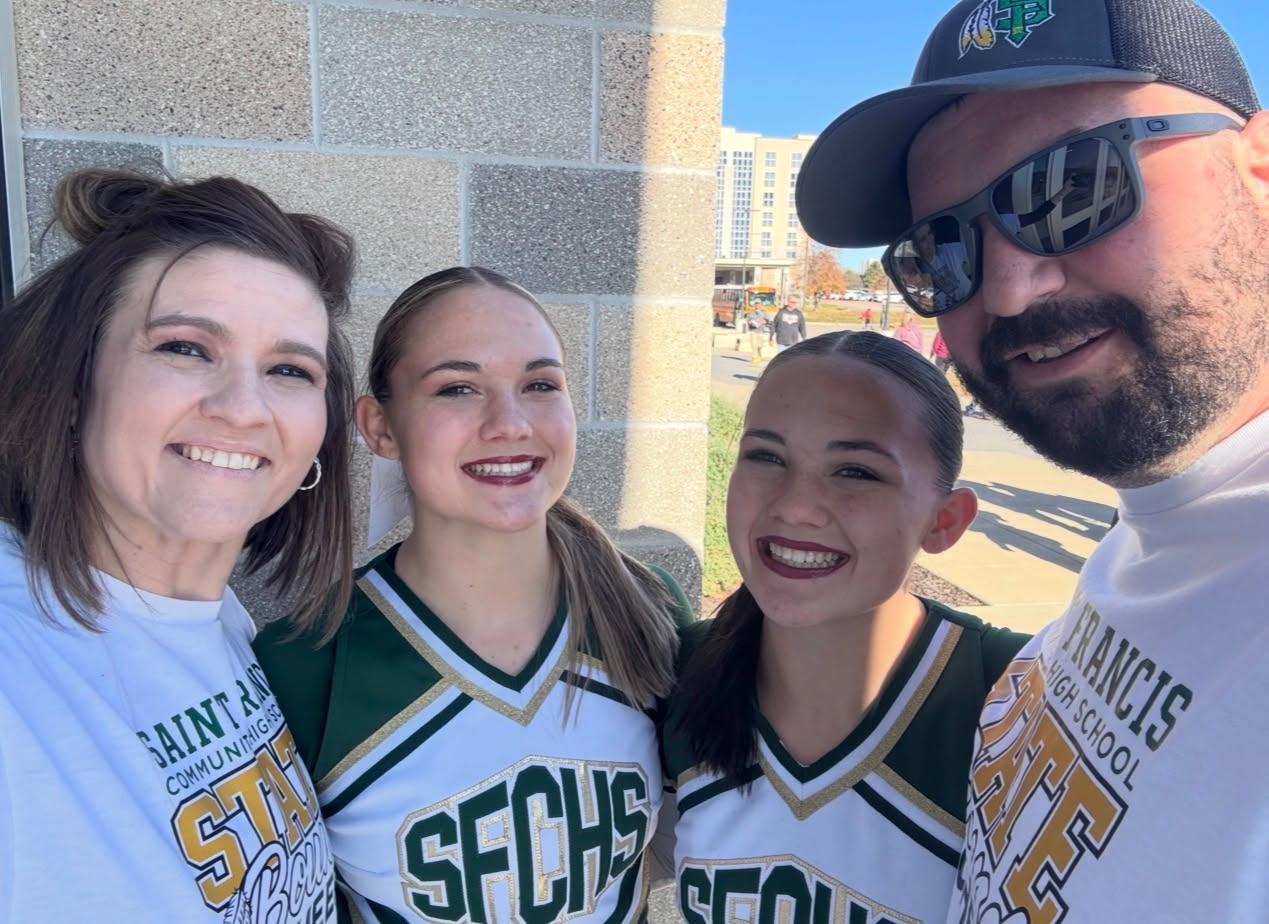
Dustin and his wife supporting their daughters' cheerleading activities.

How about any advice for spouses, family and friends – what would Dustin say to them at the beginning of their loved one’s journey? “Grace and patience. I’m a very stubborn individual – my wife knows that. She can see me get frustrated sometimes when a task, that used to take two or three minutes to do, takes me 20 minutes to do now. I would rather take the 20 or 30 minutes it takes to do it on my own than ask for help. But I know that watching me struggle is very difficult for her. I know she wants to help. So, my advice is to have the grace and patience to let the person in their life struggle. I know they want to help, but no one wants them to become a servant over time if they’re overly helpful. Independence is key.”

Speaking with Dustin reinforced several of the tenets our Arm Dynamics team believes in: Staying positive can be life-changing. Having support is so necessary. Frustrations will crop up, but if you can get through them, there’s an opportunity to learn and grow.

Our clinical teams are committed to creating prostheses that enable people to live an active life and pursue their goals. They’re committed to teaching their patients how to use their new devices to gain independence. If that’s the type of prosthetic care you or someone you love are looking for, please contact us.

If you’d like to leave a comment, please do so below.

Subscribe!

No Comments Yet

Let us know what you think