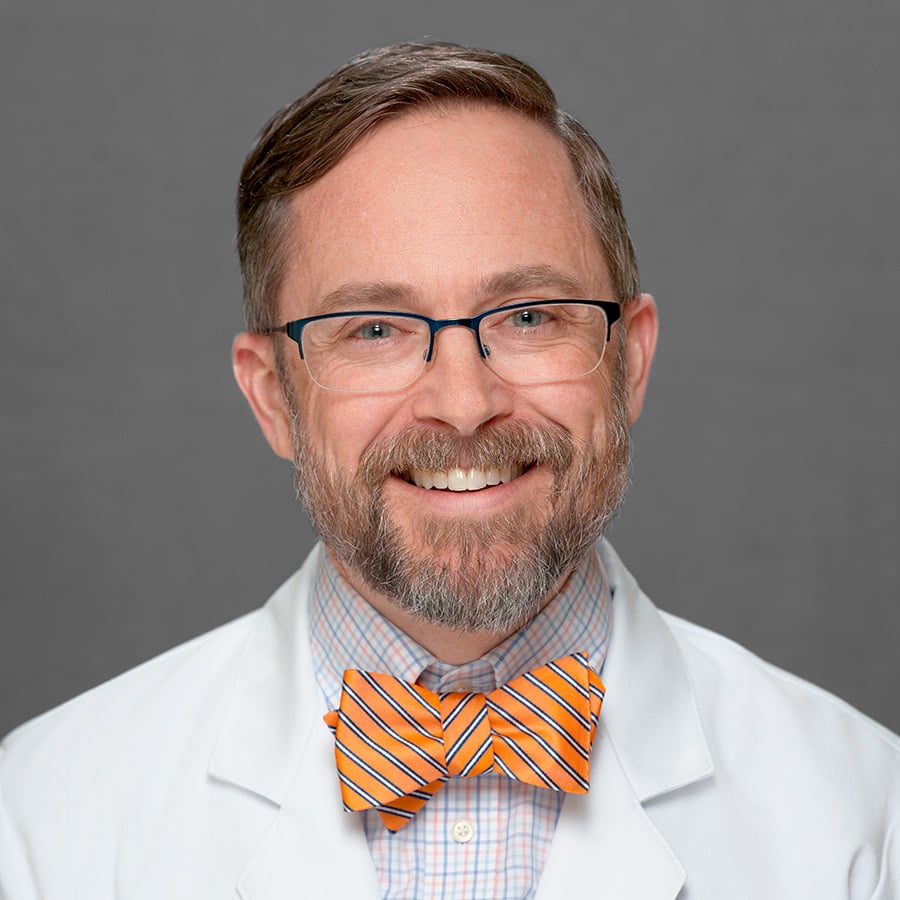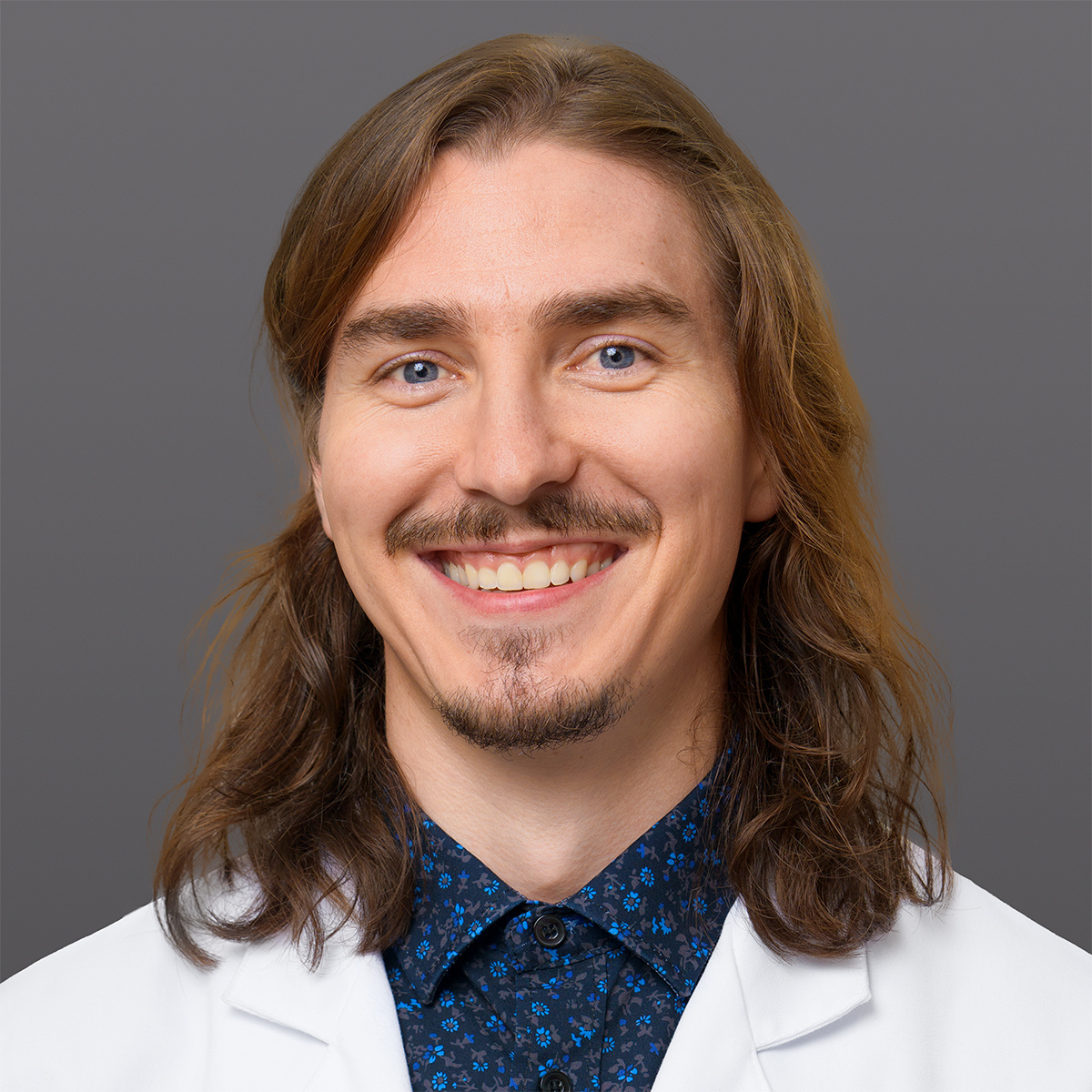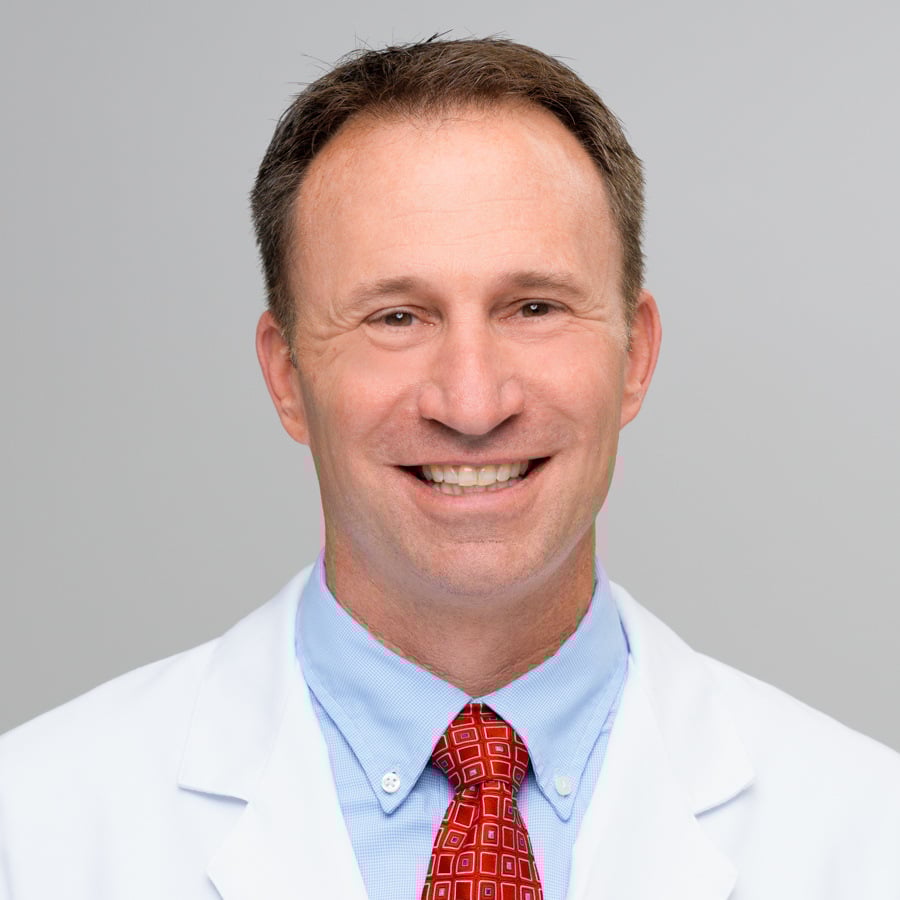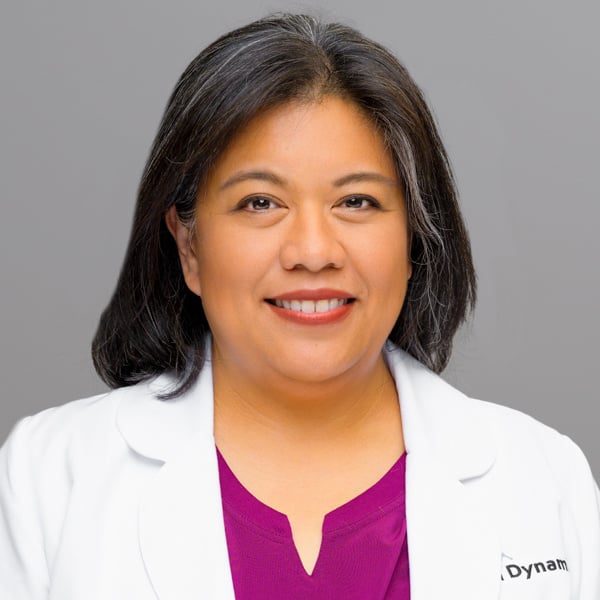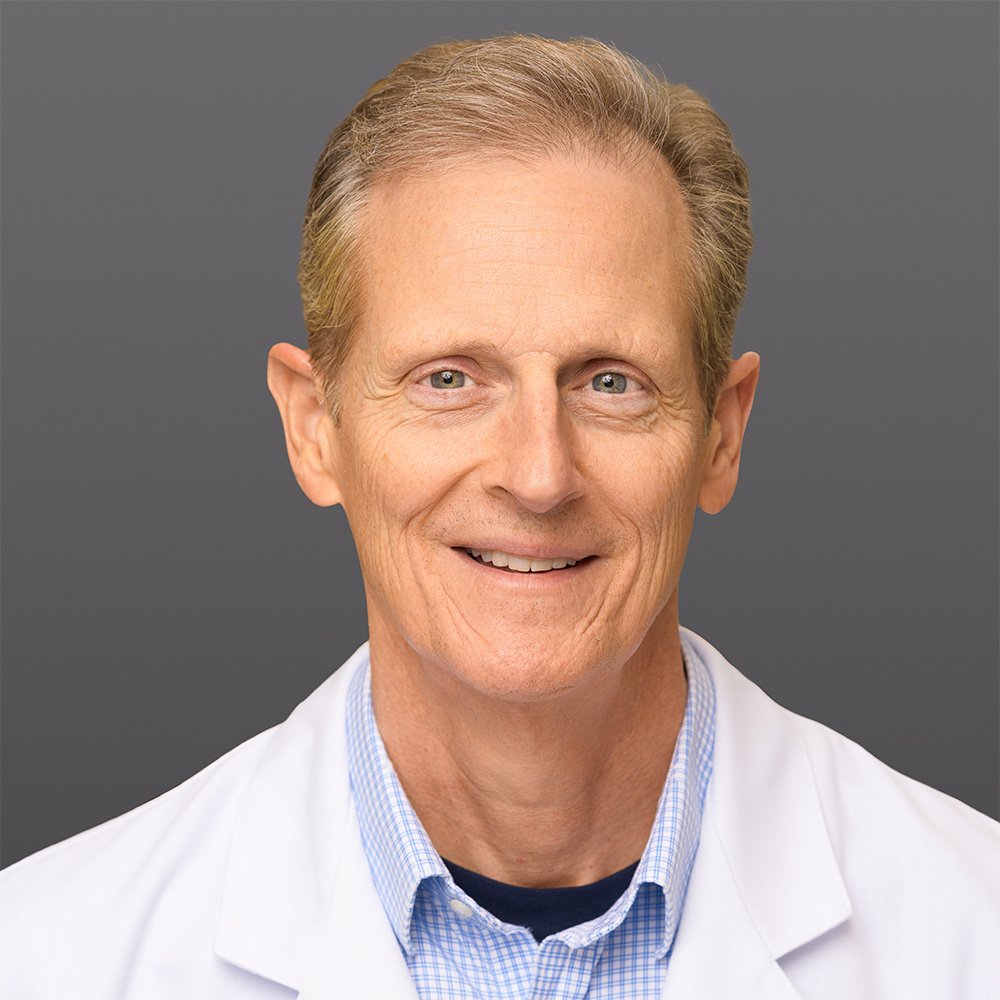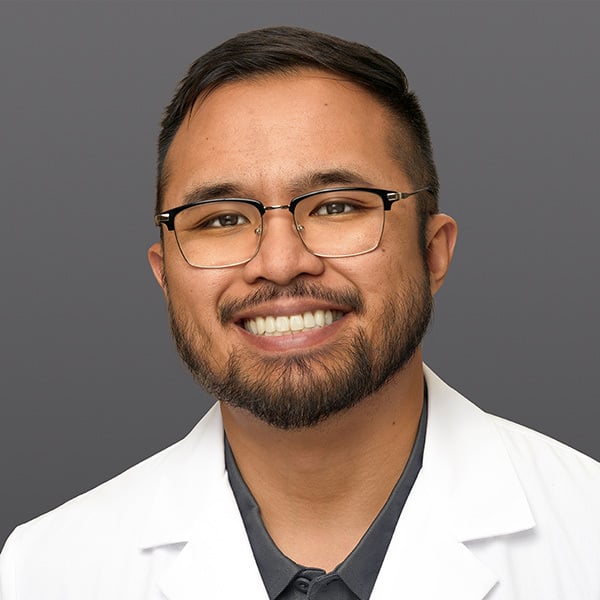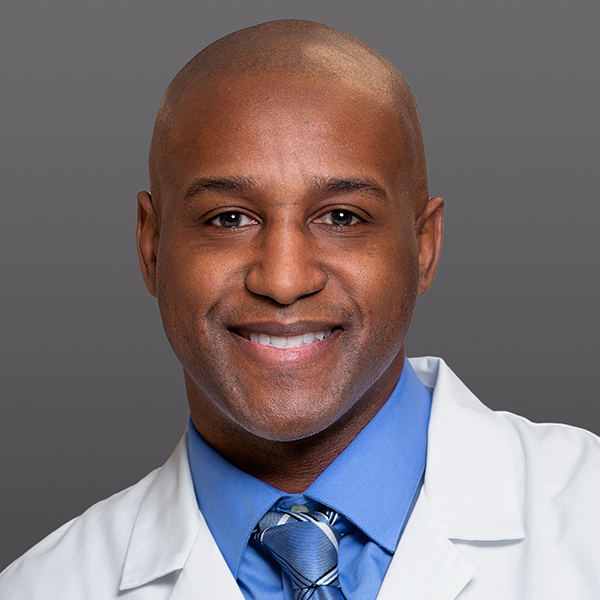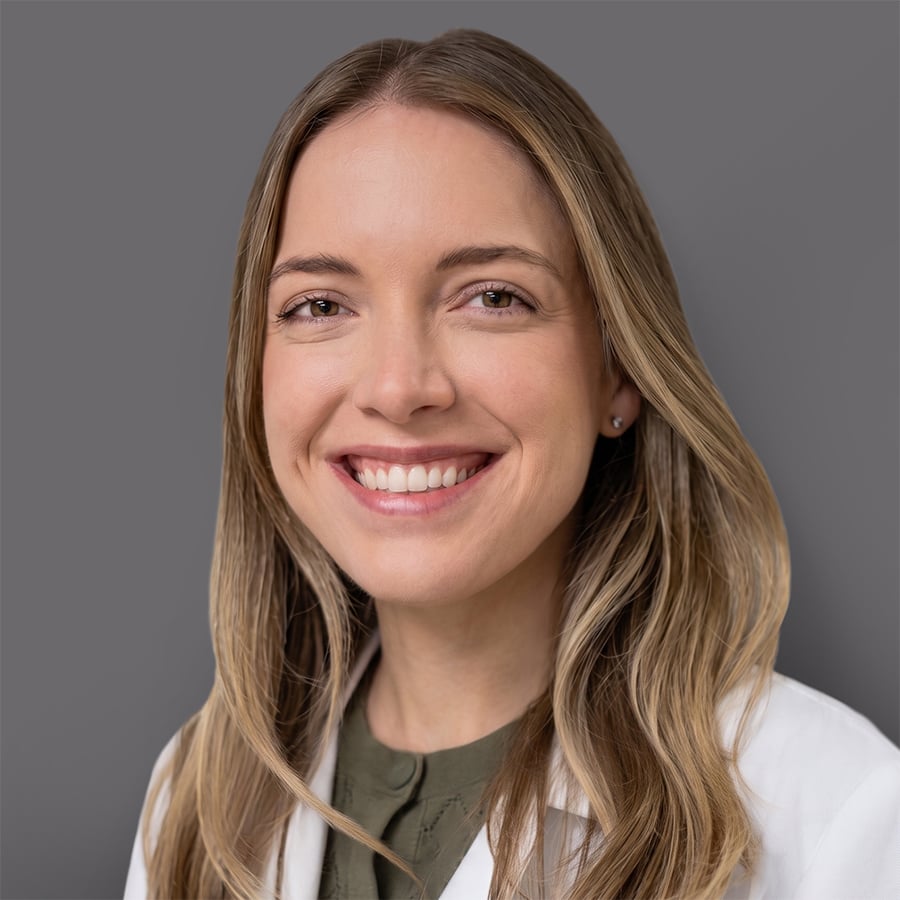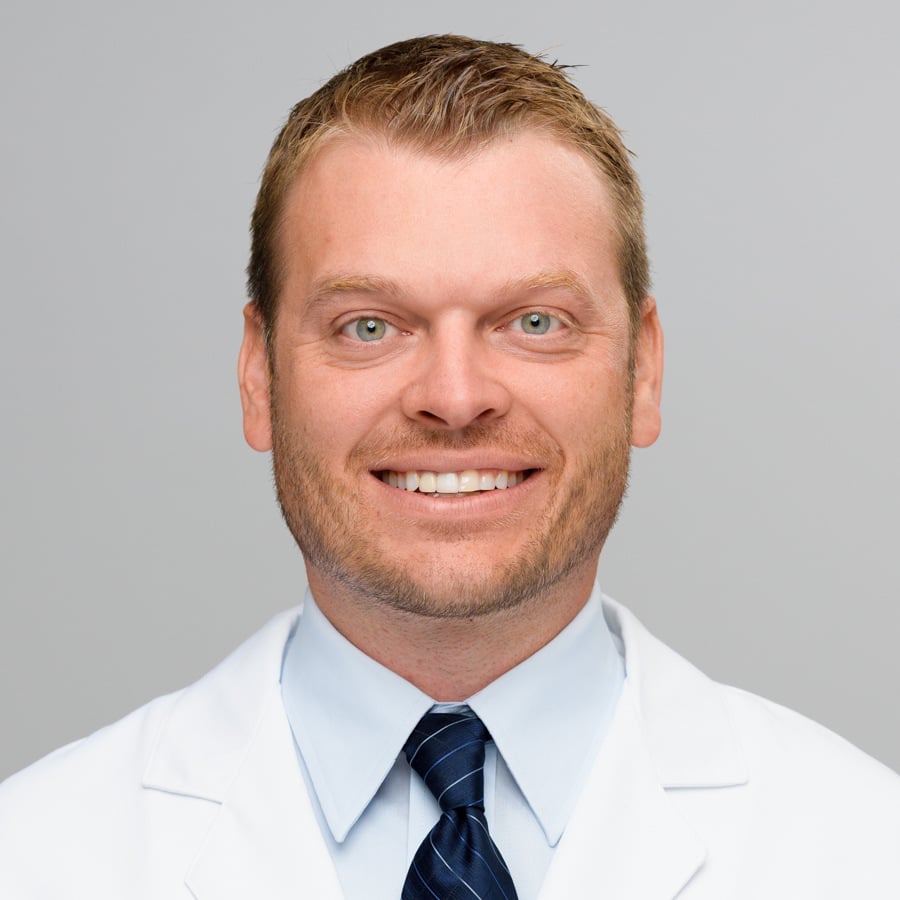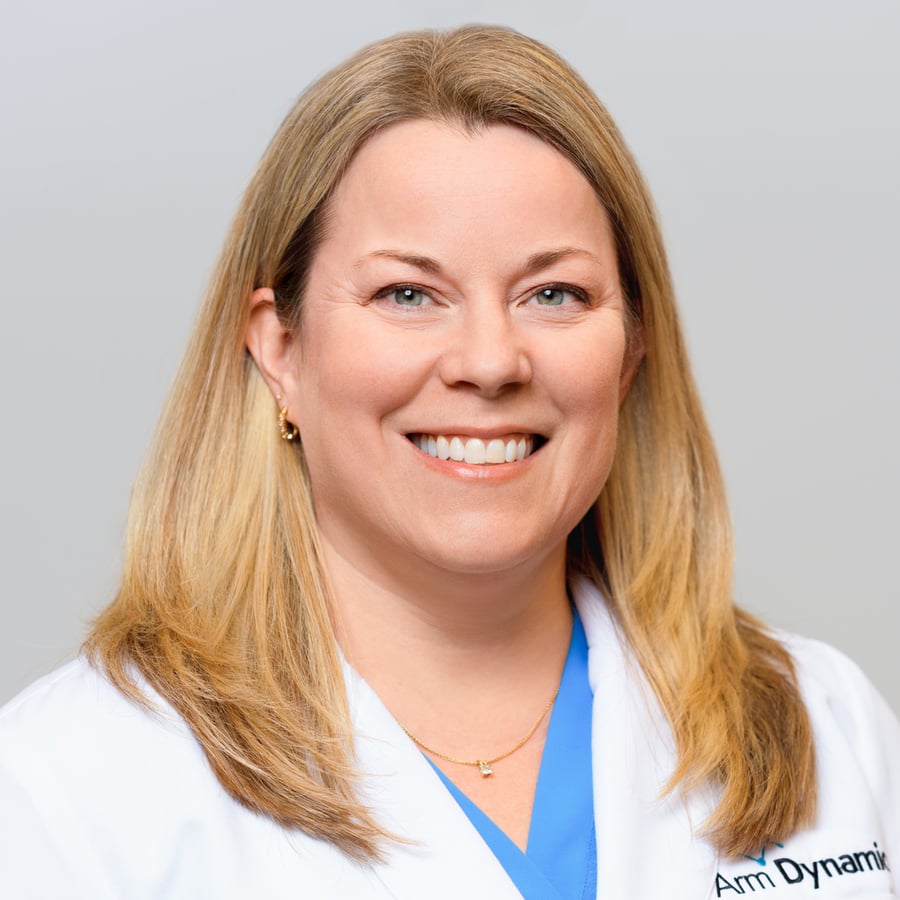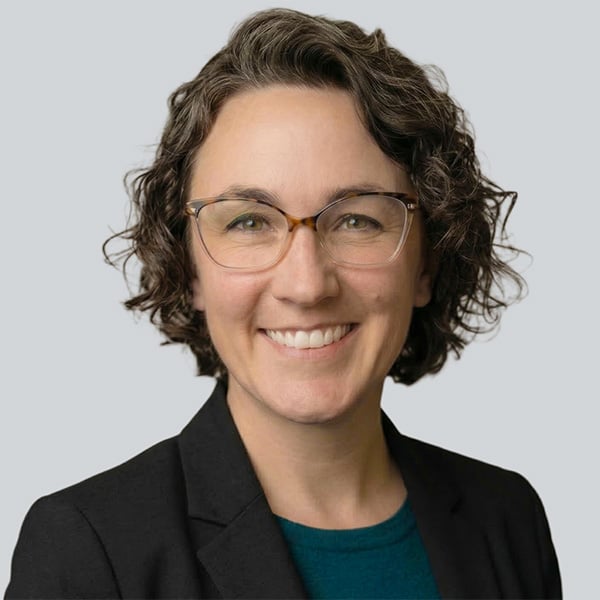
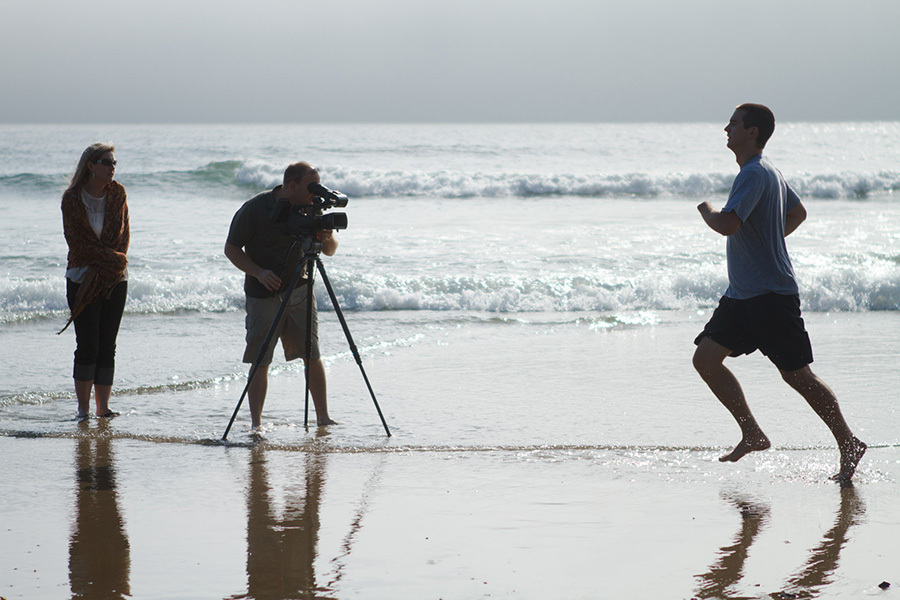

Sherri was with Arm Dynamics as a writer and producer for 16 years. Before joining our team, she worked with other prosthetic care providers in a freelance capacity. Finding someone who was able to help our videographer (Bob, pictured above with Sherri) create our patient profile videos, write articles for publication and have a good understanding of prosthetic care was something of a hat trick, but Sherri really did have it all for her position. Before she started up her new routine of sleeping in, spending more time with family and friends and teaching yoga, we spoke with her about what she’s learned over the years, from her team, her colleagues and most importantly, Arm Dynamics’ patients.

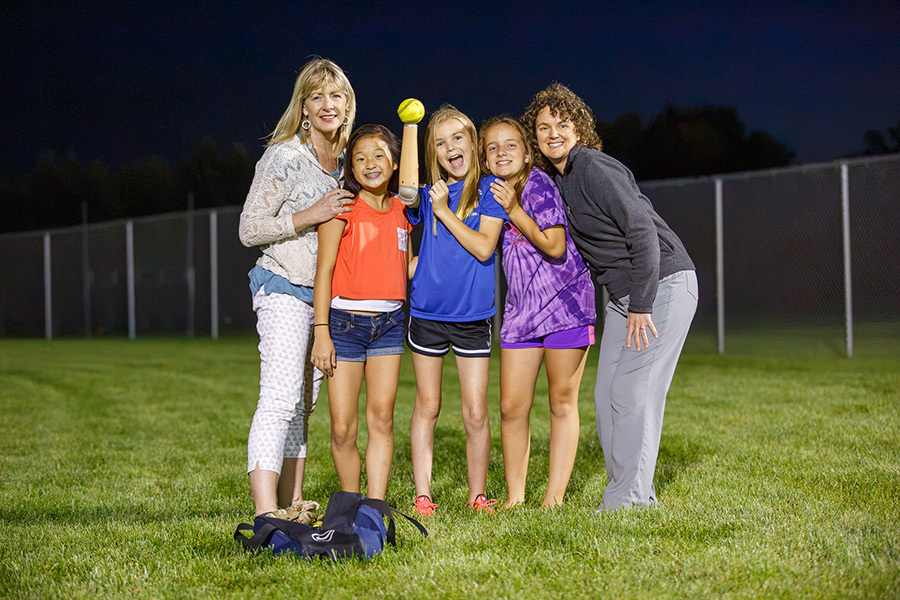
Sherri and Amber Peterson
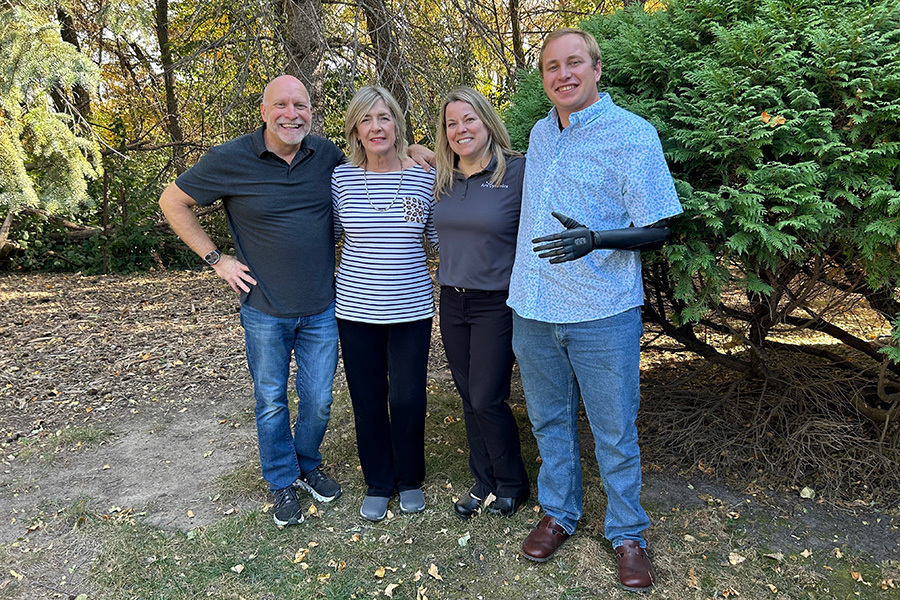
Sherri, on the left, with our patient Amber, her friends and her mom.

When I first started working with prosthetic providers who mostly did lower limb prosthetics, I found that a lot of them thought upper limb patients were so challenging to help. So that’s the impression I had. But it turned out that they weren’t difficult — they were just different from lower limb patients. Because there are so few upper limb amputees compared to lower limb amputees, very few prosthetists had much experience with upper limb patients, so of course they found the process difficult. But about the time I joined Arm Dynamics in 2010, that was the beginning of a sort of revolution in upper limb prosthetics, especially for people with partial hand loss – who make up the highest percentage of upper limb amputees. Naked Prosthetics and Point Designs came on the market and suddenly there were all these options for partial hand devices that simply hadn’t existed before. So, it was a really exciting time to move into the arena of upper limb prostheses.

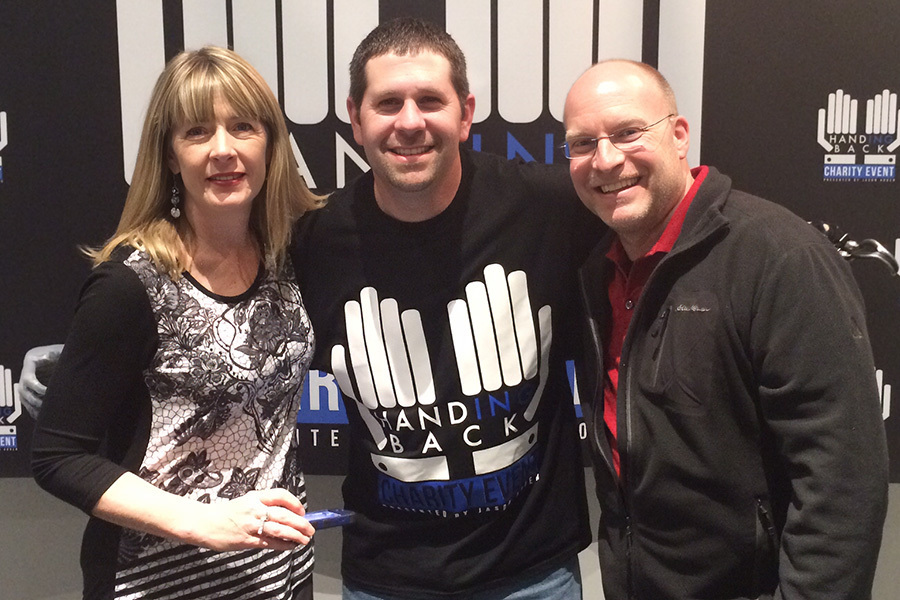
Sherri and Bob at Jason Kogers Handing Back Event in Owensboro Kentucky

Once I started at Arm Dynamics and I saw how we had set up our clinical teams, our prosthetists working along with our clinical therapy specialists, I began to understand how important that was, and integral to the kind of patient care that we were offering. Occupational therapy is important for anyone who wants to use a prosthesis, but, in my opinion, it’s more important for people with upper limb differences. Because I’ve worked outside the company with people who did lower limb prosthetic care and then at Arm Dynamics, I have a basis of comparison for how special — how specialized upper limb prosthetic care is and how rare it is to have specialists.

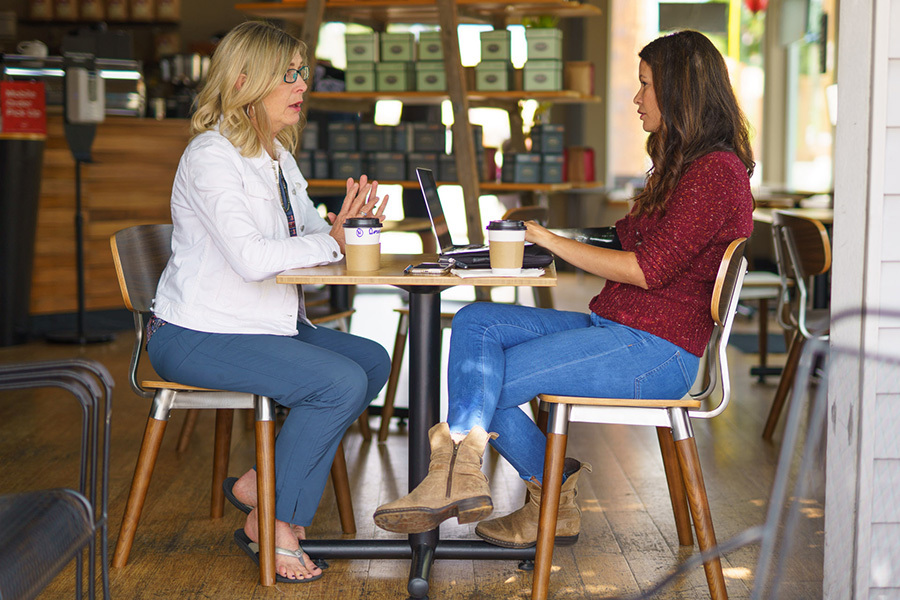
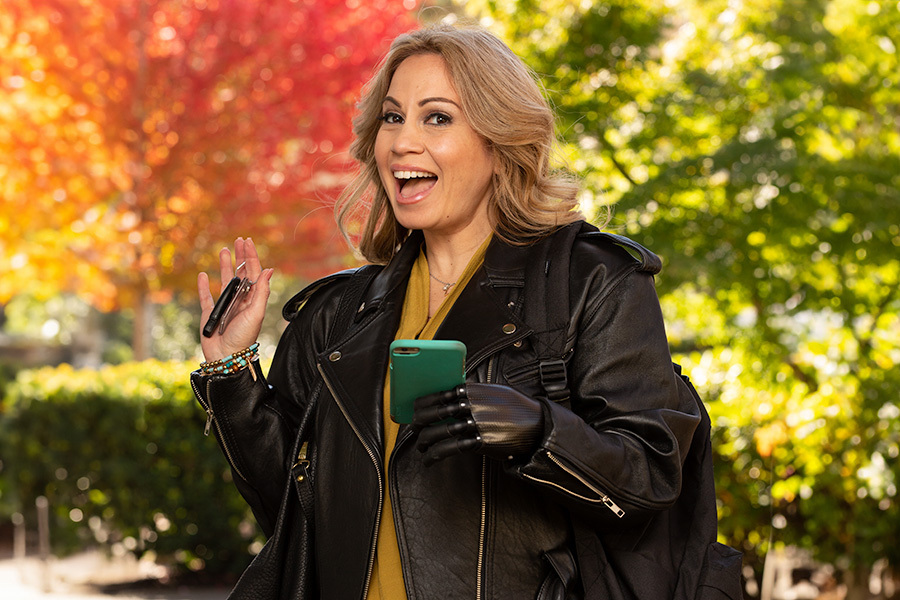
Sherri Edge and Shaholly Ayers

Over the years, I’ve had so many amazing moments with patients. Patients who have persevered, patients who were having a really hard time but are now in a better place. I’ve become friends with many of them, and some have kept in touch and want to tell me about their breakthroughs and great moments. I love hearing about the big and small developments and getting invited to watch their lives on social media. All that time speaking with patients and helping share their stories has given me some perspective on what can help patients most, especially when they’re feeling stuck. One is getting help with their mental health. I think our therapy team does an amazing job of connecting our patients with the care that they need. They find resources near where a patient lives and then make recommendations.

Sherri Edge  Bob Stovall and Tom Seibert

While I do think we as a society are in a better place in terms of normalizing mental health care, we are by no means there yet. If someone was resistant to therapy before a traumatic amputation, then they are likely resistant to it after a traumatic amputation. I have heard patients tell me about how much it’s helped them. One of our patients that we did a story on, Xavier, was one of the most honest patients I’ve ever talked with. He spoke about how bad his struggle was after his accident and how depressed he was. And the terrible pain he was in. He didn’t know how to deal with the pain or any of it. All of that difficulty was just piled on him — it was immobilizing for him. The therapist he was able to connect with was a fellow amputee, and for Xavier, being able to talk to someone who knew what he had gone through made all the difference. Now he’s doing so well. I don’t know any other prosthetic care provider that screens for how patients are doing with their mental well-being.

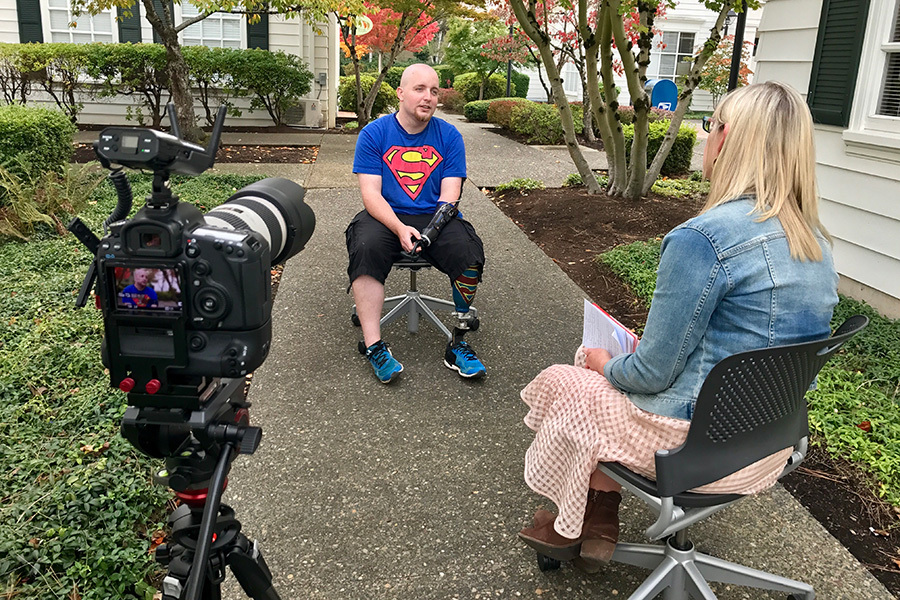
Sherri Edge interviewing Portland Center patient

Another big help is peer support and guidance. I love watching two patients together, seeing what they learn from each other, what the more recent patient can get from the patients who have been with us for years. I remember when our patient Chris was at our Midwest Center at the same time as our longtime patient Gerry — Chris learned so much from him and was so grateful. It was like destiny for him to be there with Gerry that time. We have several patients who are so good about being available for their fellow amputees. For an amputee who is in a lot of pain — and I think pain is something that can be such a big factor for people — seeing someone who is doing their own thing and reclaiming independence can be very motivating.

Bob Stovall Sherri Edge with Becky Park and Peter Duvenage

My advice for anyone who has a limb difference – congenital or acquired – is to make an appointment to have a consultation with our clinical teams. It’s free, there’s no commitment and you can learn so much. It’s such a casual conversation. And then that's when the magic of our upper limb specialists can come into play, talking to that person — not to convince them to do something they're not sure of, but just to be optimistic about what's happening in the world of prosthetics and also occupational therapy services integrated with it and what a difference that could make.

Thank you so much to Sherri, not only for speaking with us for this article, but also for her many years of commitment to the Arm Dynamics team and our patients. To finish, we’d like to share some of what our president, John Miguelez, wrote in his goodbye email to Sherri, sent to the whole team:

Over the years, Sherri has brought tremendous skill, judgment, creativity, and care to her work, but what stands out just as much is the way she has connected with people along the way. She has a special ability to tell the stories of our patients and our work with authenticity, sensitivity, and heart. She has always understood that what we do is ultimately about people, and that has come through in everything she has written and in the way she has approached her role. She has also been a trusted colleague, a good friend to many, and an important part of the Arm Dynamics family.

Subscribe!

No Comments Yet

Let us know what you think