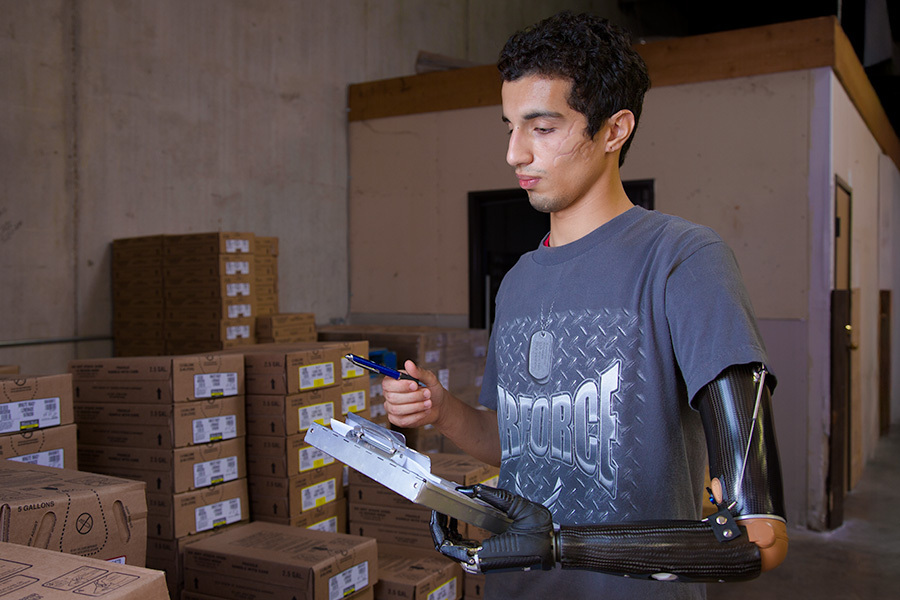

Because each of our centers offers lifetime prosthetic care, we often see our patients being fit with more than one type of prosthesis. This can happen for several reasons: sometimes it’s because the patient’s first prosthesis simply gets worn out and needs to be replaced. Sometimes insurance providers ask that a patient first becomes familiar with one kind of device, like an ETD. This shows they are a proficient myoelectric user before transitioning them to a more expensive, more complicated device, like a TASKA hand. The reason may be that they have used their device for a number of years and it’s time for an upgrade due to better technology being available. Or maybe they’ve added a new hobby to their life and need a device to support that hobby with something like an activity-specific prosthesis. There are multiple reasons and thoughts that go along with shifting to a different type of prosthesis.

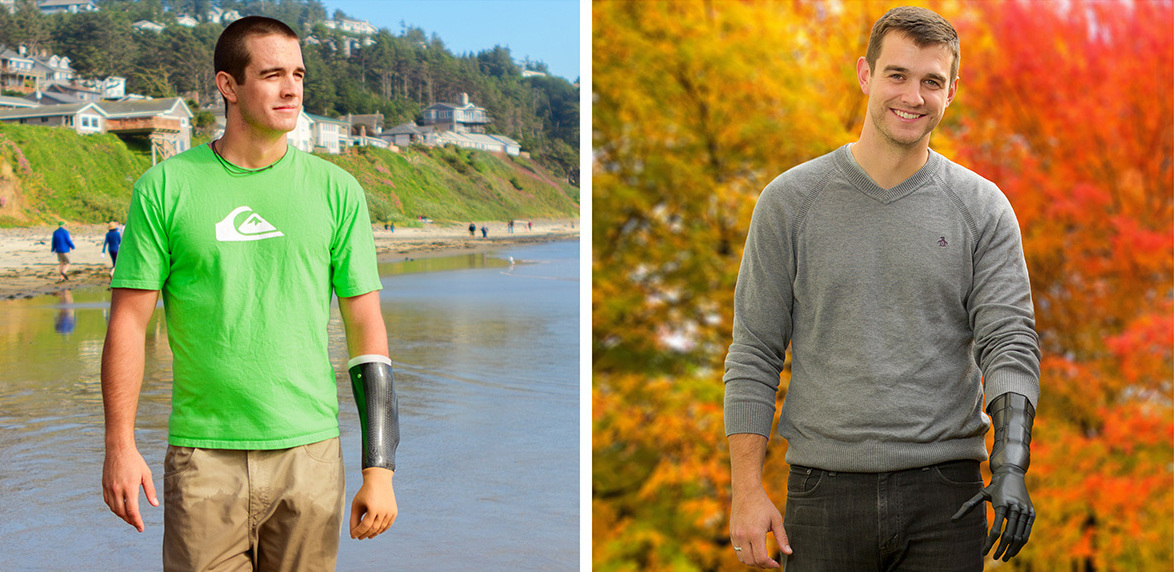
Our patient Tom was injured as a teenager. He was wakeboarding when his arm got caught in the rope and he wound up with an amputation below his elbow. After his amputation, “The main thing I wanted from my prosthesis was for it to look like a hand,” Tom recalled. He didn’t want to stand out. “I wanted to have it so if I wore a long sleeve shirt, it would cover up most of my prosthetic arm and I wouldn't get a lot of questions from people.” Tom was fit with a single-motor myoelectric hand. While these aren’t as convincing as a passive silicone restoration in terms of looking exactly like a real hand, the skin tone matched Tom’s skin enough to work for him. Additionally, his single-motor hand provided some function, giving him one open/close grip.

Fast forward a few years. Not only has the world around Tom changed, but Tom has changed. He switched to an iLimb multi-articulating myolectric hand, and later, the TASKA hand. “My attitude completely changed, which has made all the reactions from people I talk to change as well.” Tom uses his hand when he talks and he uses it more to pick up and grasp items, made much easier by the multiple grasp patterns available. Tom made sure to stay aware of the advances in prosthetic technologies, and to keep track of when his insurance provider would allow him a new prosthesis since that timeline was constantly changing as Tom went to college and moved into the working world.

tom_seibert-1

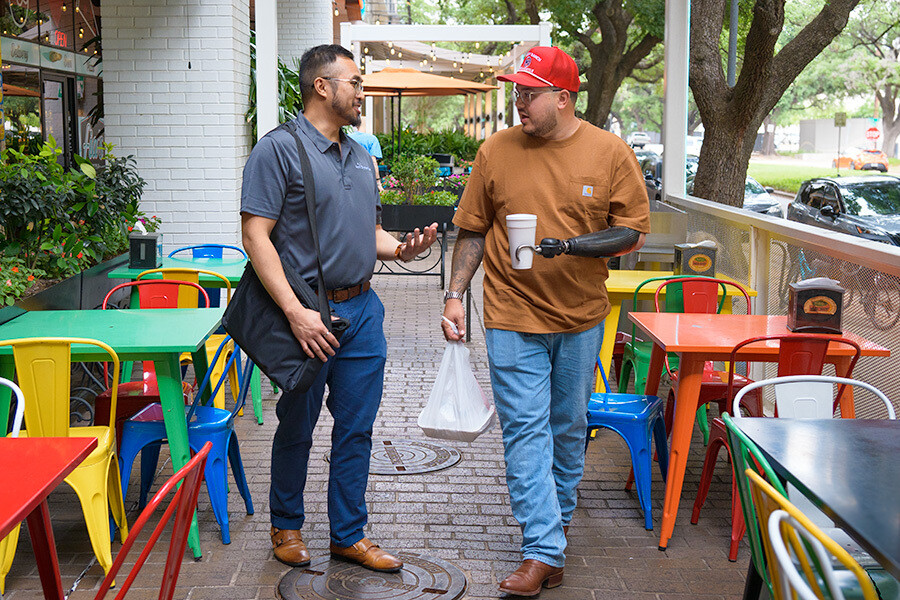
For Tom, the transition to using new devices took years. For others, it can be more like months. Our patient Christopher was involved in a work accident in 2025. He lost his right arm below his elbow and his left index finger. Chris was very unhappy with the first company that fit him, which is a whole other story. But once he was at Arm Dynamics, our Maple Grove, MN, center fit him with an ETD. The prosthesis that Chris wanted was a TASKA hand, but his workers’ comp provider wanted to see proof that Chris was both a good candidate for a myoelectric prosthesis and that he would actually use a prosthesis. This is a relatively standard request made by insurance providers and one that our teams are used to navigating.

Once Chris was allowed to have us provide his prosthetic care, we fit him with a myoelectric prosthesis that stayed on his arm, was comfortable for him, and we also taught him how to use it. Within months, he was a proficient myoelectric user. When his insurance provider saw that, they approved him to be fit with a TASKA hand.

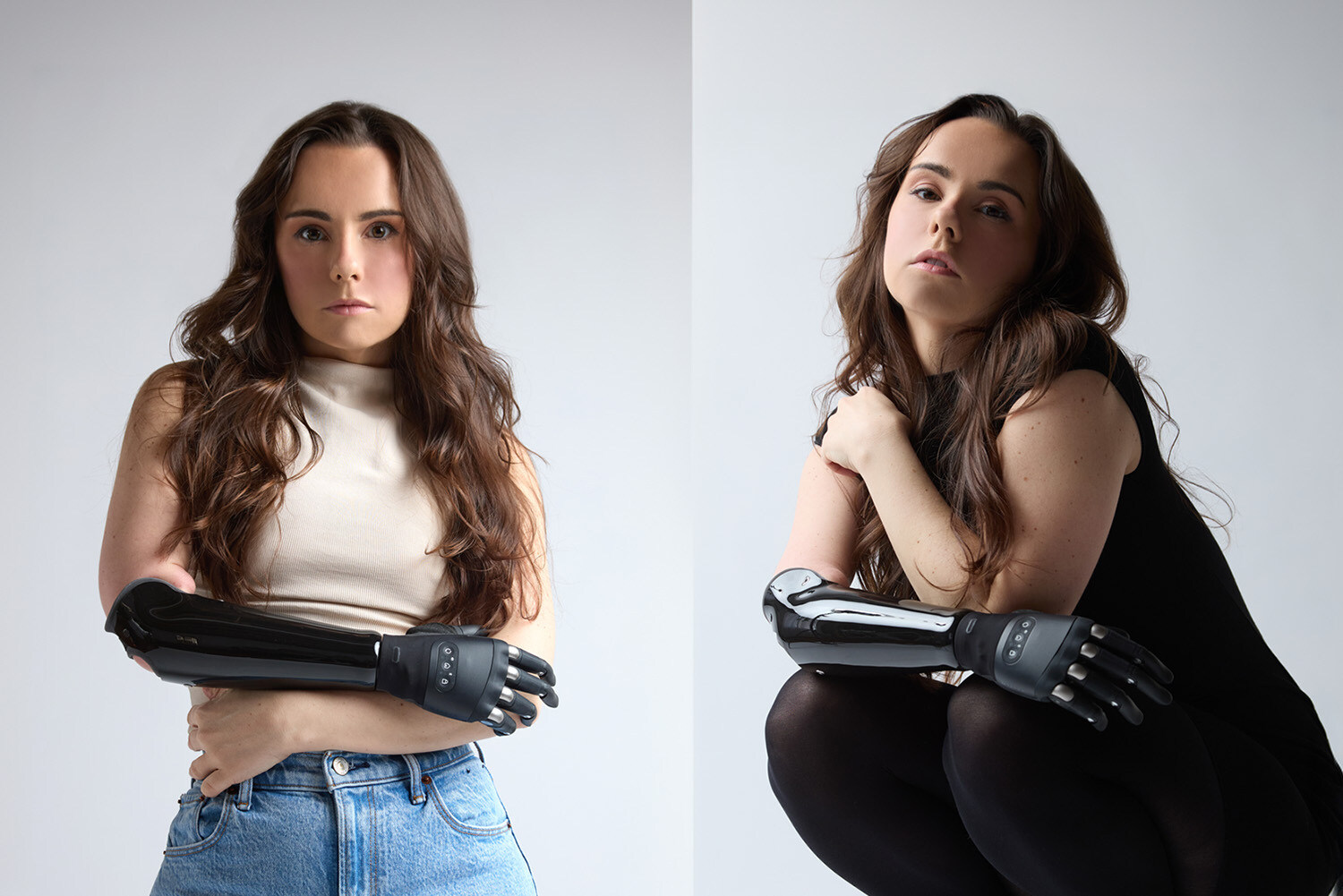
Our patient Kiersten, who is an actress, was able to invest a lot of time successfully petitioning her insurance provider to agree to approving her for a bebionic hand. Kiersten has a congenital limb difference below her elbow, and she had begun to experience overuse issues on both her affected and sound side. When she spoke to her physician about it, they recommended she look into a myoelectric prosthesis, as a body-powered prosthesis could possibly exacerbate those overuse issues. When she contacted her insurance provider, they would only approve a body-powered device. After a lot of work on her part, which you can read about here, Kiersten was approved for a bebionic hand. “It was a great starter hand,” Kiersten recalled. “It did reduce a lot of my overuse issues, and I learned a lot about having a prosthesis. But when I was able to get a new hand, I was very excited to change to the TASKA hand.” Kiersten talks more about her experiences in our article about the TASKA hand - that hand is what she is pictured wearing below.

Kiersten

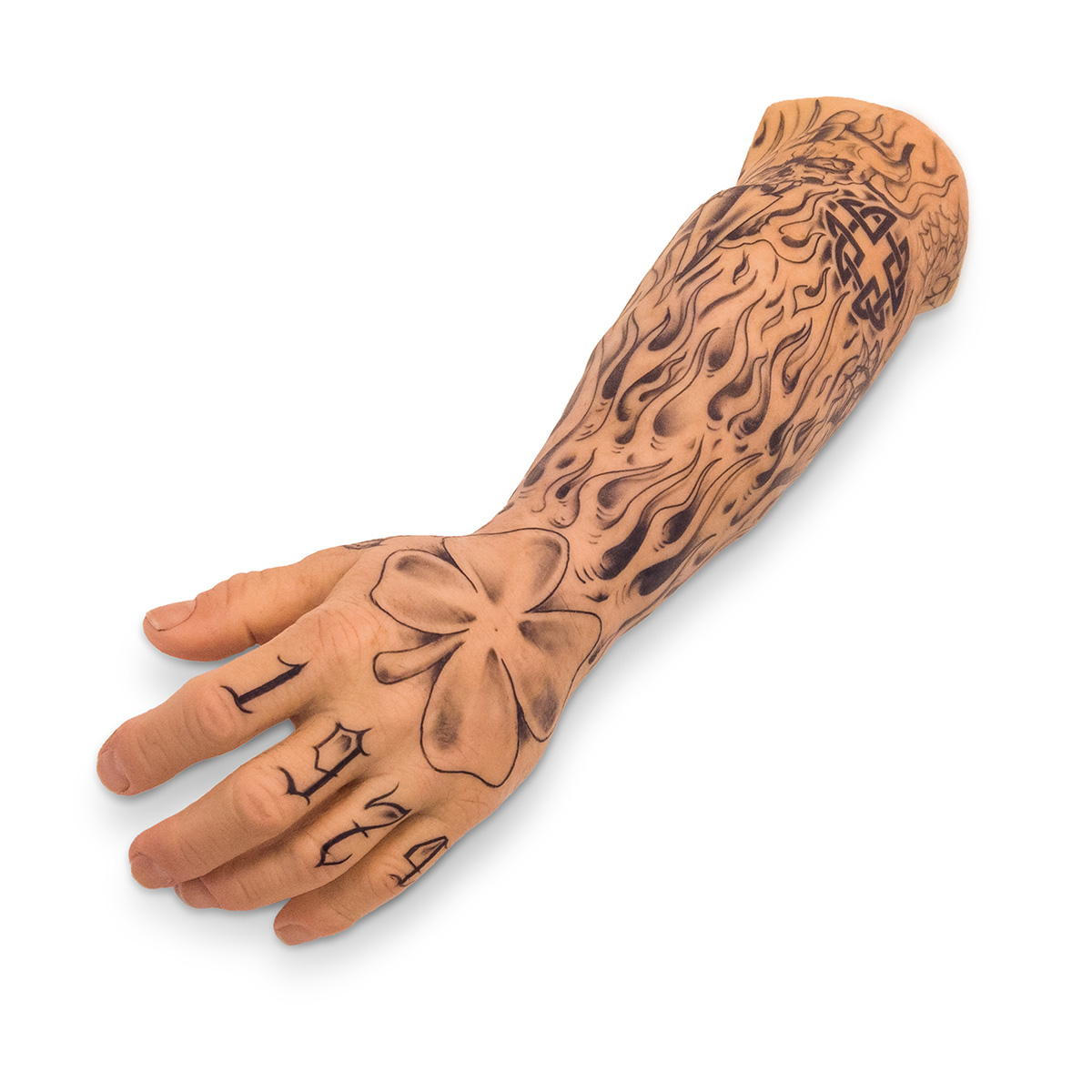
When our patient Abram was considering which prosthesis he wanted after a work accident resulted in his left arm being amputated below the elbow, he wanted whatever was the strongest. He knew that for work and his hobby of restoring Jeeps, he needed the most durable options. So, our Dallas, TX, team fit him with a body-powered hook, a TASKA hand and an activity-specific option where he could attach tools, like a wrench, directly to his prosthesis. But after a few months, Abram found himself needing another device. “Going to the airport, out to a store, to a restaurant – everyone wanted to stop me and tell me how cool my arm was, especially if I was wearing my TASKA hand. I just – wanted the option to not have to talk about my arm and why I had a prosthesis.” So even though he never thought he’d need a passive silicone restoration, he asked for one, which was approved – and then once it was ready, had it tattooed:

Abram Baker Cosmetic Tattoo-2

Becoming a prosthesis user is no easy feat – it can be incredibly hard to navigate the ins and outs of prosthesis use along with navigating the feelings that go with starting to use a prosthesis. Then, becoming a multiple device prosthesis user is a whole extra step and something that many of our patients have traversed with aplomb. No matter which prosthesis you’re new to, our clinical therapy specialists are there for our patients, walking them through tasks that are relevant to them and their everyday lives. It’s their work, and they love it.

If you are interested in being fit with your second, third, fourth (or first!) prosthesis, or you would like to learn more about the prosthetic care we offer, please contact us. If you would like to leave a comment, you are welcome to do so below.

Subscribe!

No Comments Yet

Let us know what you think