
Jesse was injured less than a year ago – in November of 2025. Part of his thumb on his dominant right hand was amputated during a work accident at his construction job. Jesse recalled: “My accident happened and then a couple days later I had the amputation. I had the time to talk to a few hand surgeons about what I should do, and they all recommended the partial thumb amputation, so that’s what I went for. The pain afterward was very little. My hand was wrapped up after the amputation, and I definitely felt ghost sensations then [also known as phantom sensations]. But not pain, so much. I just felt like my whole thumb was still there. But once it was unwrapped and I saw it, that sensation went away.”

The possibility of having a toe-to-thumb transfer was brought up to Jesse during his rehabilitation. “It was mentioned to me, but I was just against that. It’s just not my thing. I made the right decision for sure. Andy [Jesse’s prosthetist at our Maple Grove, MN, center] was in support of me getting a prosthesis instead of the transfer. We agreed it was the best way to go. I was healing up well, I was going back to work. I just wanted to keep working and not have another surgery.”

He was back at work around the start of the year, before receiving his prosthesis. “When I went back to work, I was just figuring it out. I didn’t realize how much a prosthesis could help me. I had no idea about it. But when I did get my prosthesis, and then went to work, it was really helpful. But because I was just starting, I had to take it off and take breaks. And I noticed a big difference. Not a good difference. Doing my job is much easier when I’m wearing the device.”

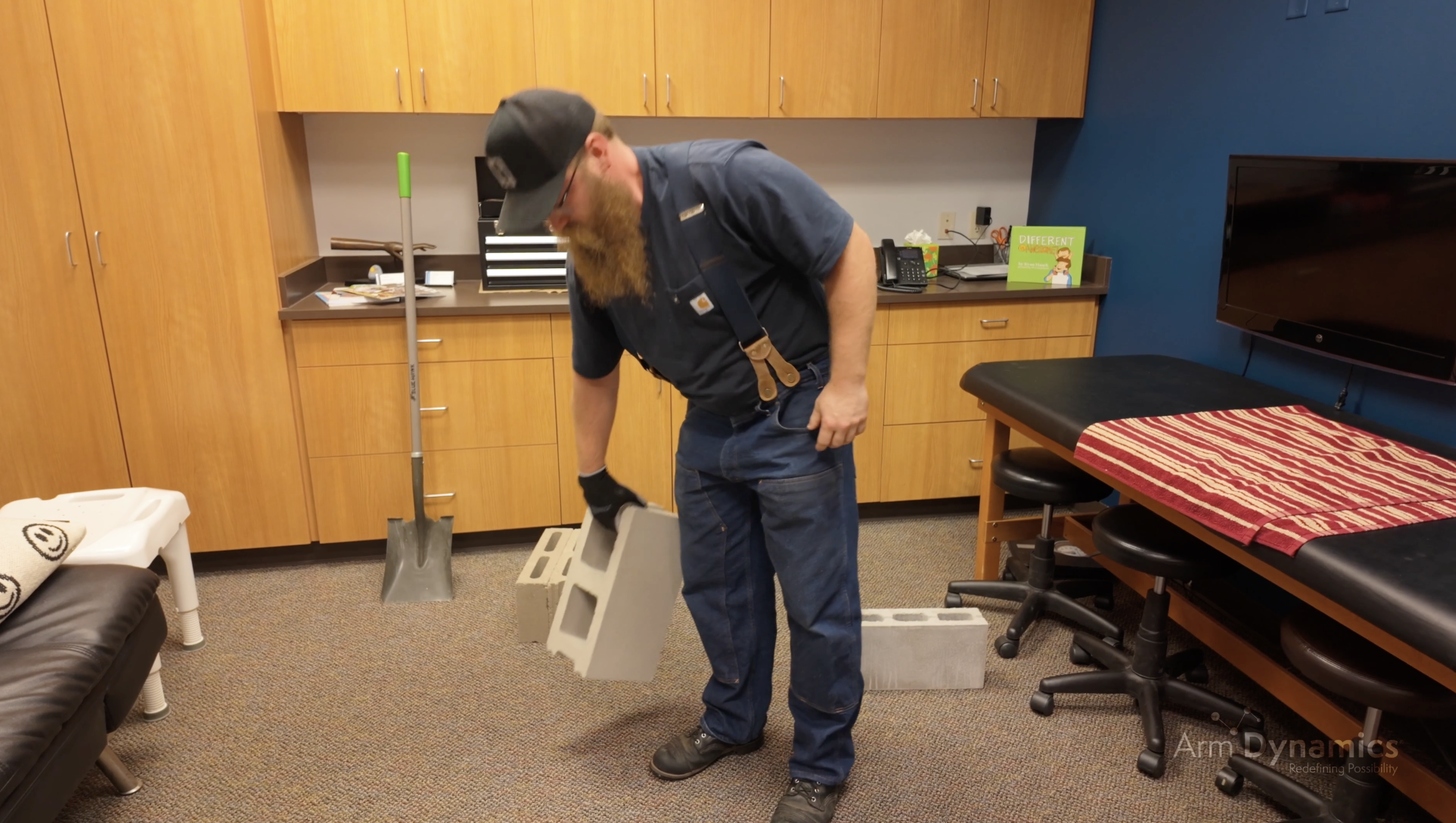
Jesse Screenshot 1

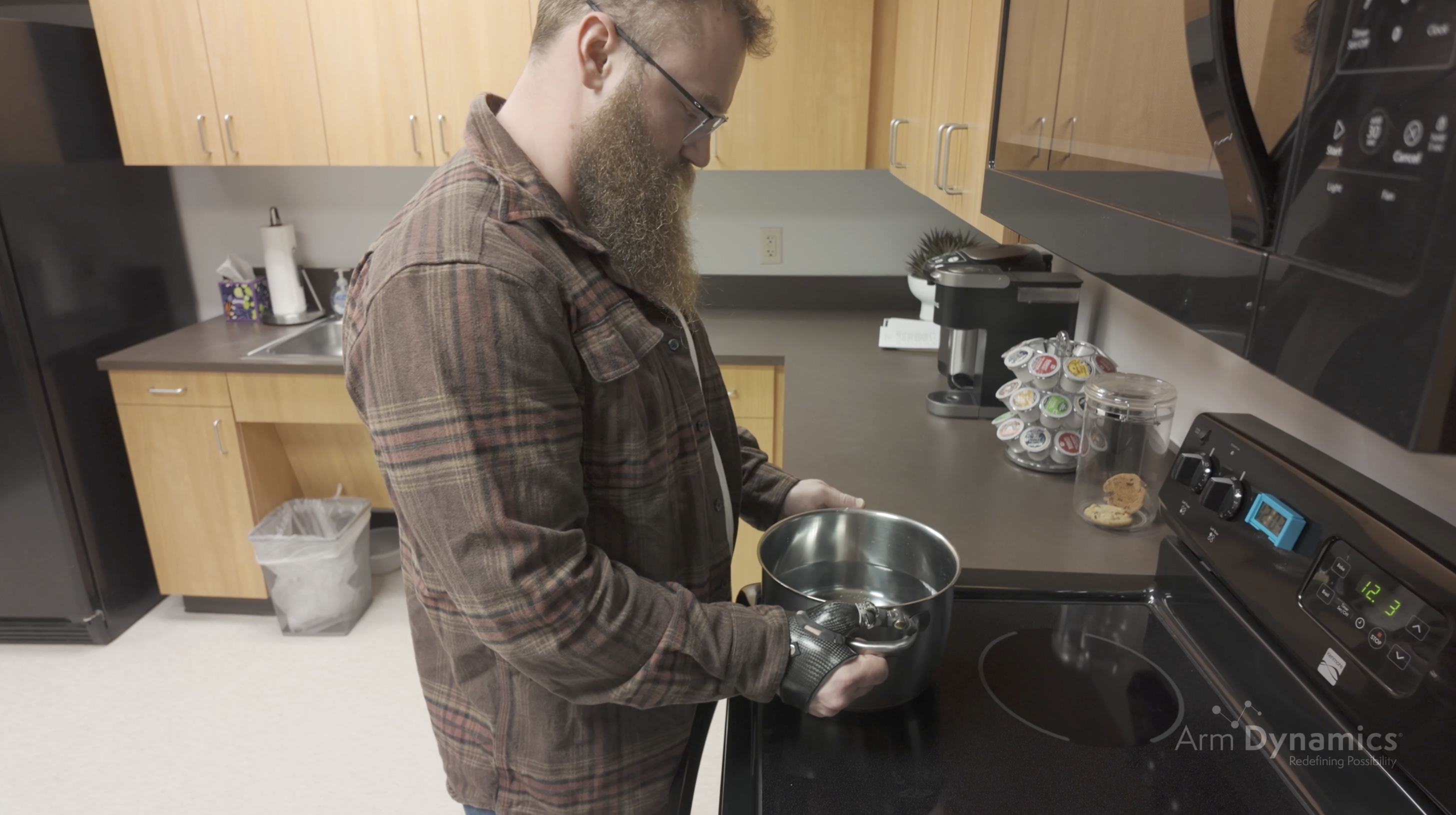
In February, Jesse was fit with a Point Designs Thumb with Point Pivot+ (seen above). It’s a passive-positional device, meaning that he can use his other hand to manipulate the position of the thumb, or push down on a nearby surface to change the position. In Jesse’s patient profile video, when he compares doing tasks without his prosthesis to doing them with it, the phrase Jesse used more than once was “Way easier.” With the device, Jesse doesn’t have to change his grip or use his index and middle fingers to grasp objects, which his clinical therapy specialist calls a "modified pinch." Jesse’s dominant hand is back in the game – and his work glove fits over his device and socket band just fine.

In July, he went back to his Maple Grove center for a new prosthesis. The new one is similar to the old one, but it’s thicker, more durable, and the pivot part of the thumb has been removed, so it can handle Jesse’s heavy-duty work. “It still fits under my glove.” (He’s wearing both the device and the glove in the photo below.) He uses his first prosthesis for daily tasks at home and out and about. Both versions of his device have proved beneficial at work, since he used the first prosthesis there before he got the new one: “I can pick up two cement blocks like I used to, one in each hand. I can shovel and have a good grip – especially if you’re heavily shoveling dirt, like big piles. Grabbing a bucket full of water, mud, or concrete. It’s amazing how durable these things are for how much abuse I put them through with the work I do. I basically wear it 12 to 16 hours a day. I only take my prosthesis off to sleep and shower. It’s become part of me.”

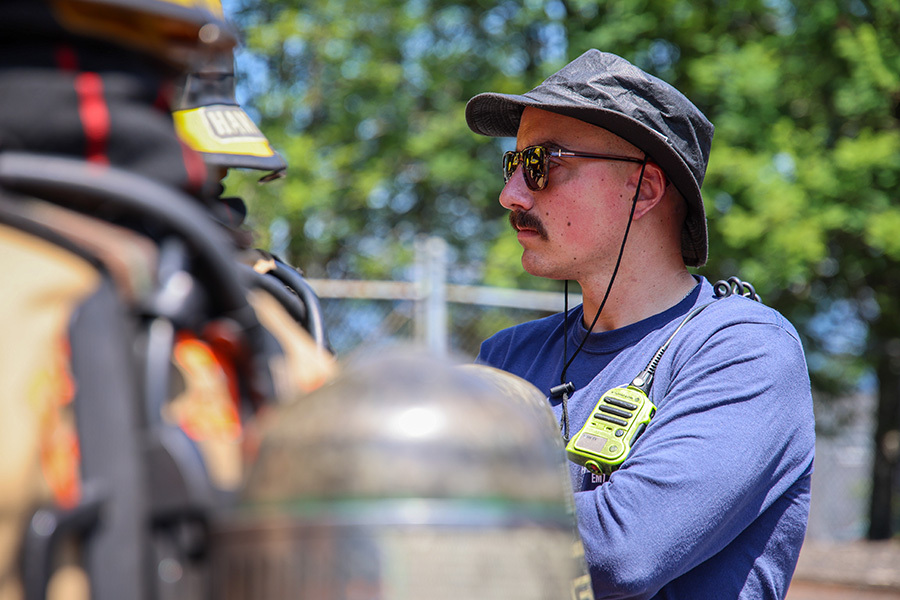
Jesse Screenshot 2

Jesse is happy with his device and, if he was able to go back and talk to himself in the days after the accident, he would tell himself not to worry. “There’s always something you can do. I know there are always different ways to go about things if one thing doesn’t work out. There’s always a way forward, and perseverance is how I got where I am now.”

We’re very pleased that Jesse was able to benefit from the prosthetic care that his clinical team, Andy and Becky, provided him with. He’s been able to return to work and his other daily tasks with the help of a device that fits him well and that he has been taught to use. Having a durable device is crucial for someone who works in construction, and we’re glad that we were able to provide that to him.

If you or someone you know would like to learn more about the prosthetic care that we provide at our five centers around the United States, please contact us. You are also welcome to leave a comment below.

Subscribe!

No Comments Yet

Let us know what you think