

Our patient Gerry was working as a lineman before he lost both his arms below the elbow in an accident. During a conversation with our blog team, he told us how he always enjoys hearing about the experiences of others and learning about their perspectives. This story has stuck with us, and we’d like to share Gerry’s telling of it here:

I go around and share my story often. There’s a safety guy up in the northern part of Illinois. He and his wife had triplets, all girls. I can’t recall exactly what kind of disability they had – but it was to do with their eyes. One of them can see fairly good with glasses. One of them can kind of see images, but they’re fuzzy. She’s considered legally blind. The third girl is blind – she can’t see. He told me: “I’ve kept them up on your story. How you’ve come through your accident and that you’re sharing your story with people. But my daughter who is completely blind told me she doesn’t understand how you’ve kept going since your accident. You were going through life, doing your own thing, and one day you couldn’t do it anymore. She wanted to know, ‘How would he live with something like that? I've been blind since the day I was born. I don't know any different. But how could he go on after his arms were taken away?’” And I was just – wow. My perspective is that I got over fifty good years to live my life – everything since my accident has been a gift. I can't imagine somebody having to start out in life like this, you know, and going through the struggles. It’s kind of mind-boggling that we both have something going on with us that, to the other person, seems unimaginable, though when we hear each other’s stories, we start to try. It’s all about perspective. If you can understand the perspective of others, you can start to understand other people better.

Whenever anyone with an upper limb amputation reads a book by, watches a video with, talks on the phone to, or meets another person with a limb difference, they’re gaining another perspective. They’re seeing not only how that person uses their prosthesis, they’re also getting an idea of how that person moves through life. But, in some ways, it’s not just about a limb difference. It’s about adversity. How does a person take what life has thrown at them and move through it?

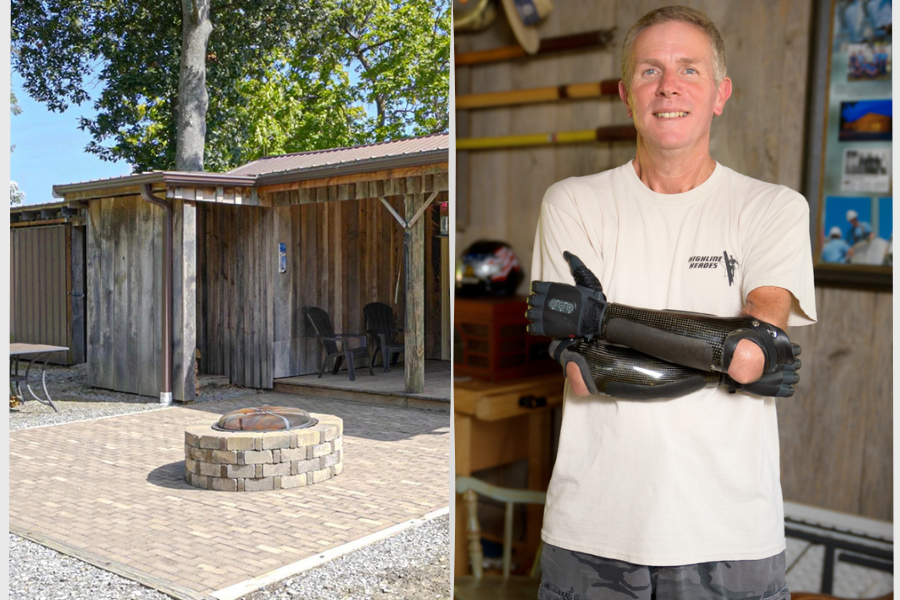
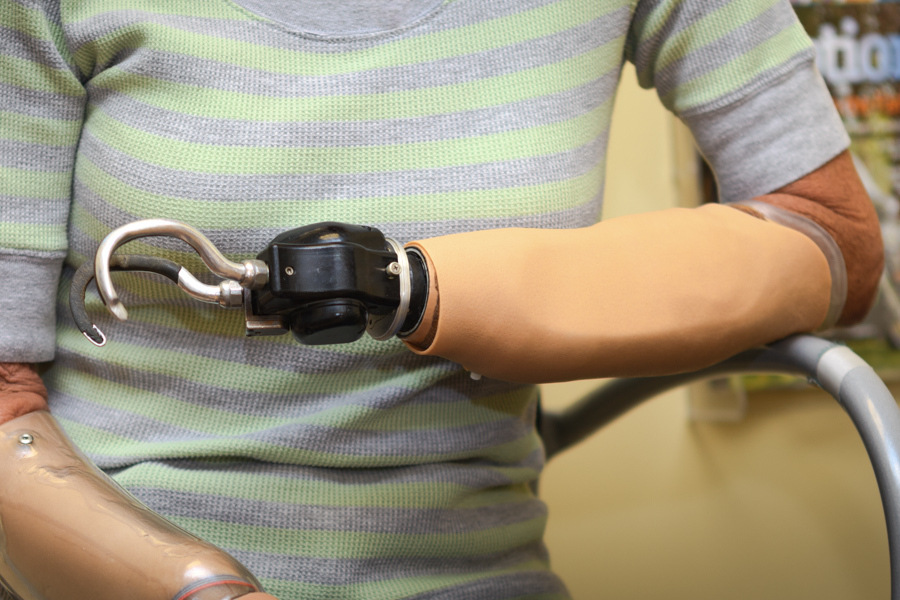
Gerry Patio
Gerry with the 1,800 brick patio that he laid after his amputation.

Every time there’s an opportunity to learn about someone else’s adversity, there are two different ways to receive the information. One – Is their experience a mirror of my experience? Do they have similar traits to me that make me feel less alone? When I know that they’re out there, doing their thing, does it help me know that I, too, can continue moving through life?

Two – Is their experience a window? While they may be quite different from you, is there something you can still learn from them? This Fran Lebowitz quote about books applies here:

… People have been taught to look for themselves in books — you always hear people saying this: 'I love this book, this character is just like me.' … People have been taught to think of a book as a mirror, instead of a door, or a window. A way out.

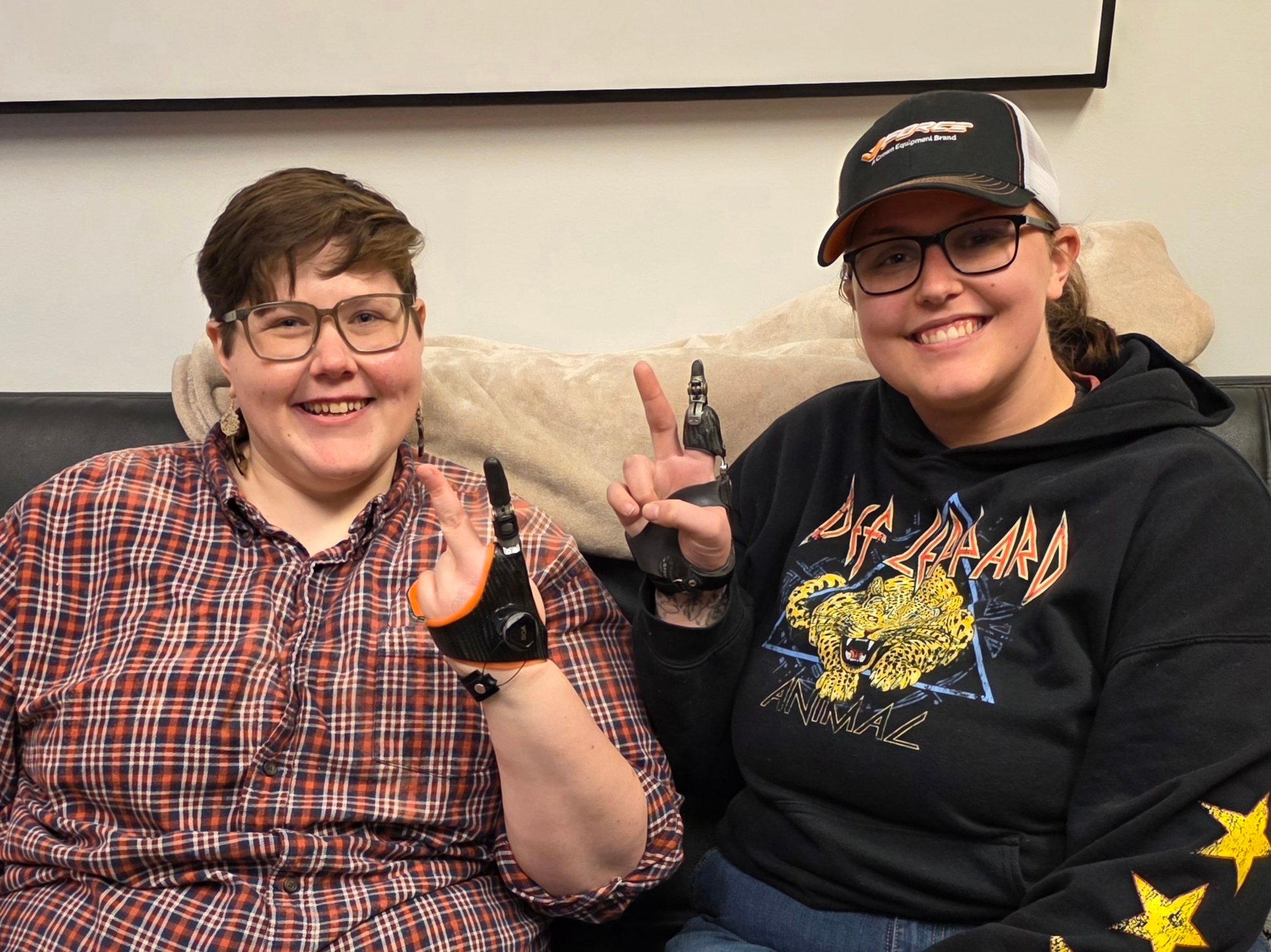
Madee and Ashley
Ashley (left) and Madee met at our Arm Dynamics center in Minnesota and had a lot in common.

For someone who experiences a below-elbow amputation and receives a TASKA hand as their prosthetic device, getting to speak to a peer who experienced that same situation can be helpful, even life-changing. But that doesn’t mean that other people with other levels of acquired limb differences, or congenital limb differences, or even people whose stories don’t involve limb differences at all, don’t have things to teach you. As Maya Shankar, author of The Other Side of Change: Who We Become When Life Makes Other Plans, writes: "We can learn from one another's stories, even when they don't look like our own."

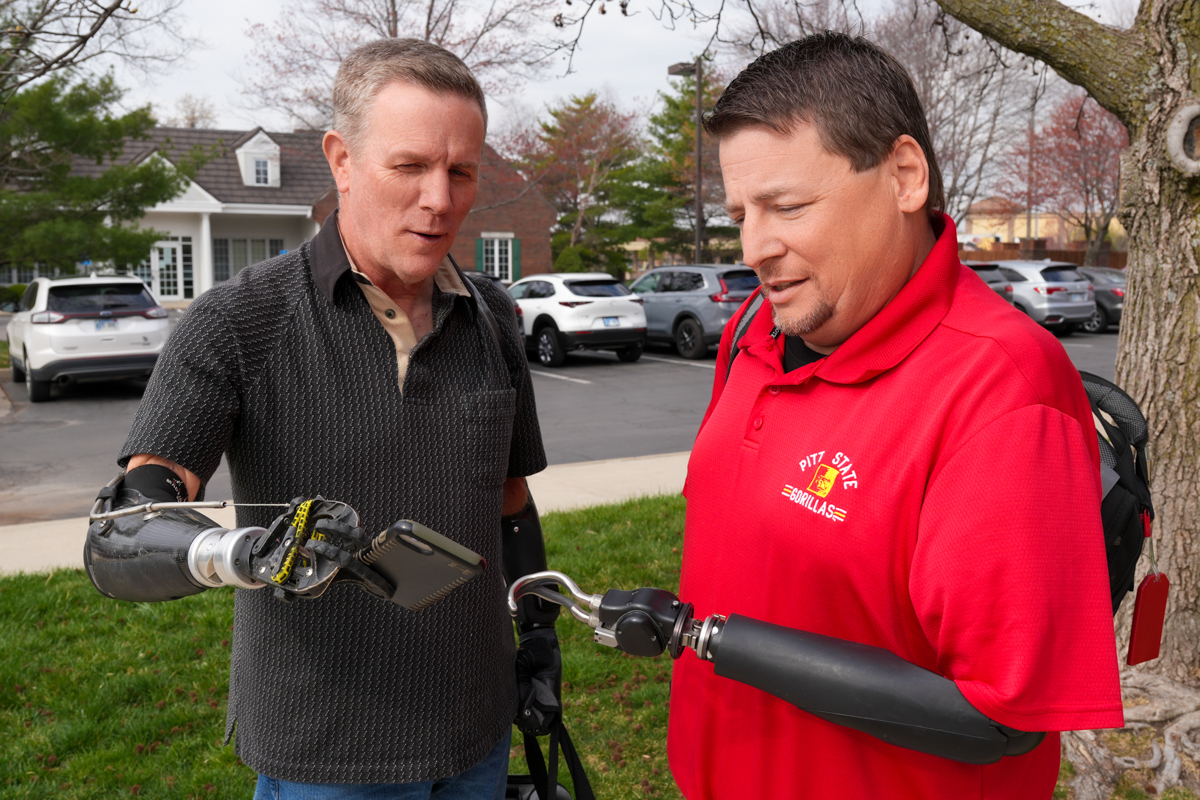
So many of our patients have told us how much it means to them to speak with their peers or see videos of their peers actively living their lives. Yanick’s family showed him many videos of people with upper limb amputations, so when he was ready to be fit with his device, he was excited about his options. Abram watched a documentary about fellow amputee Eduardo that inspired him. Chris spent some time at our center in Kansas City with his fellow amputee Gerry, who is quoted above. Chris (who is pictured with Gerry below) said:

I had a great experience that week. I truly enjoyed visiting with Gerry and his wife. He was very motivating for me! I feel that I have hit a wall with developing my prosthetic skills. Gerry amazed the daylights out of me. Watching him utilize his prostheses showed me that I have more to accomplish. He also reminded me that he has eight years of practice, and he was once where I am today. Honestly, talking with Gerry was my favorite part of the trip.

Gerry and Chris Buck

Our prosthetists are upper limb specialists who have years of experience fitting our patients with comfortable, functional prostheses. Our clinical therapy specialists are occupational therapists who help each of our patients learn how to use their new prosthetic devices. But even with all that experience and know-how, we can’t replace the capability that others can bring.

So, take it all in. Be curious. Listen to others’ stories. Find people who are mirrors of your experience but also look for people and stories who give you a window to their own trials.

If you, or someone you know, is interested in learning about our holistic prosthetic care, please contact us. If you’d like to comment on this article, please do so below.


Subscribe!

No Comments Yet

Let us know what you think

AI Index: llms.txt