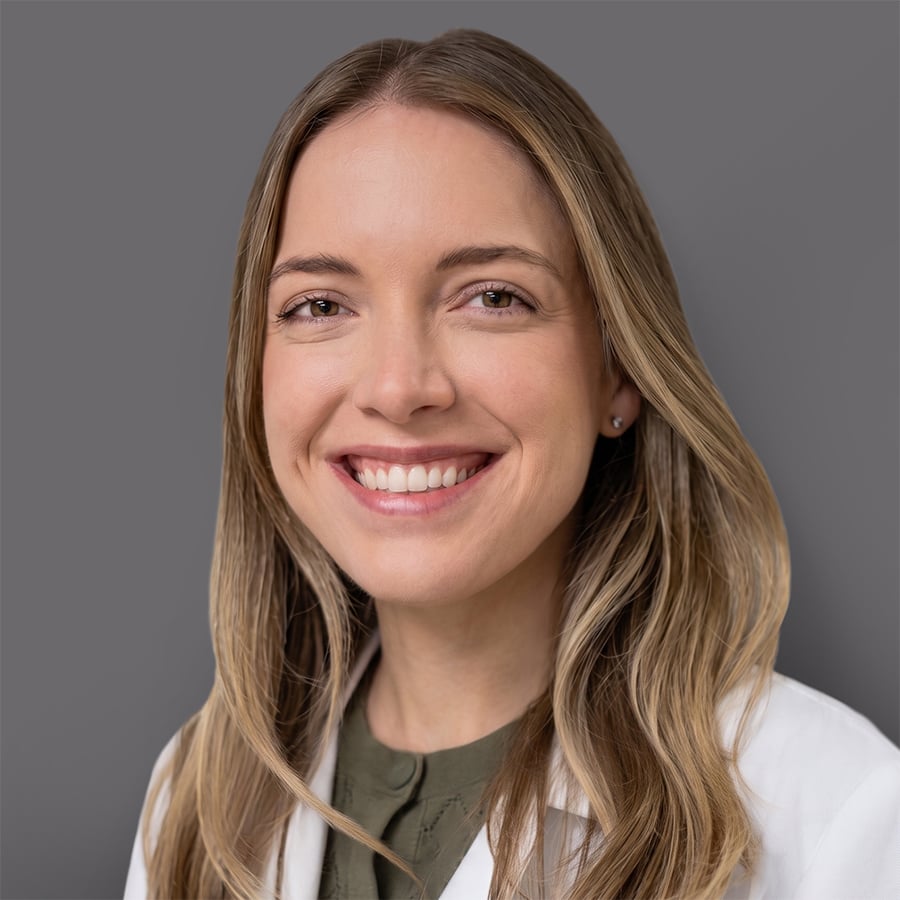

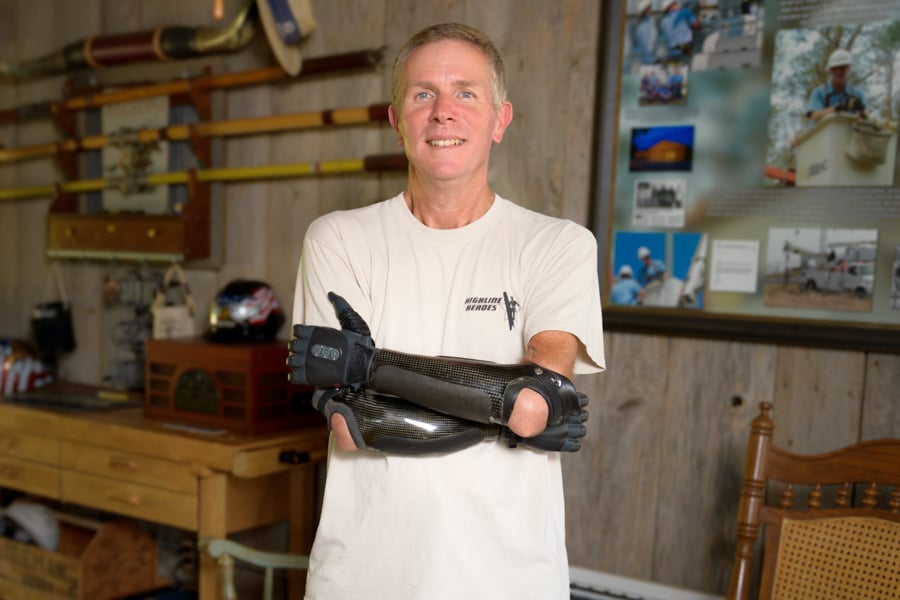
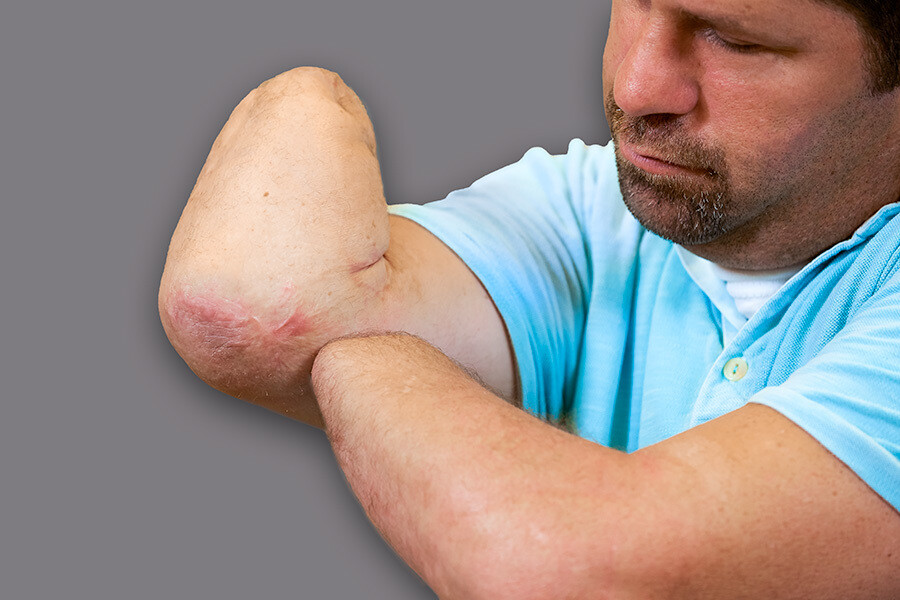
“I truly believe that these cards were dealt to me for a reason. If I could go back in time and change what happened, I wouldn't because it's brought me to a whole new level of strength. It was completely transformational for me.”

-Diana, about her above elbow amputation

“Today, I am an ambassador for Point Designs, and that role means the world to me. Sharing my story helps others, and helping others helps me. I get to connect to people who are just beginning their own journey with limb loss, and I get to be the encouragement, the hope, and the reminder that life doesn’t end after limb loss. It just changes, and sometimes, it changes in ways that bring new strength and purpose.”

-Angie, about her opportunities following her partial hand amputation

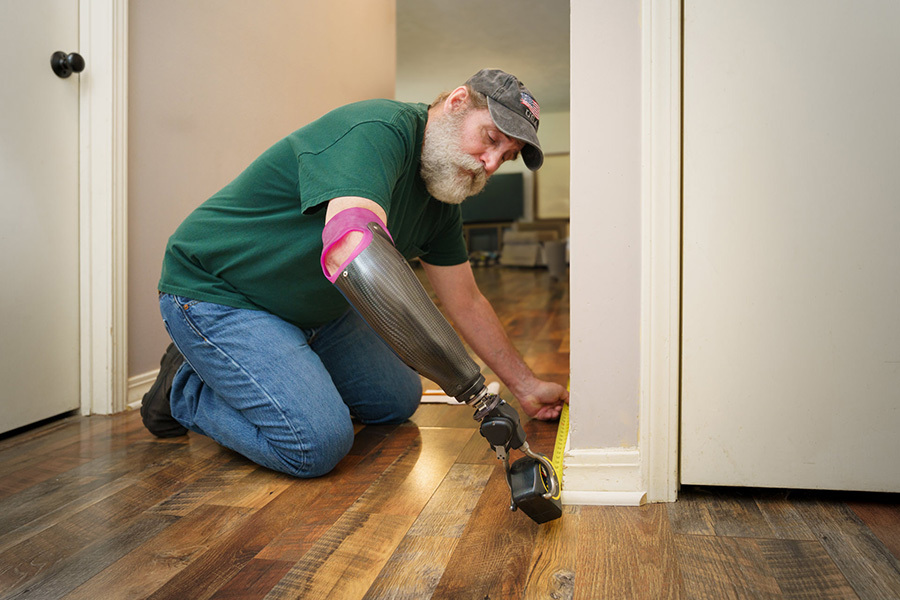
“I'm blessed just to be here on the Earth. That day was a bad day, but I mean, I'm still here. I'm still getting to do a lot of stuff and enjoy a lot of stuff.”

-Gerry, pictured below, regarding his accident and bilateral amputation

Gerry 6x9

Post-traumatic growth is a debated concept in the world of psychology. But from where we’re standing, as team members of an organization that regularly sees people experiencing growth following their amputations, it seems like a pretty clear change to us. Post-traumatic growth is, according to Psychology Today, “the positive psychological change that some individuals experience after a life crisis or traumatic event.” It differs from resilience in that, “Rather than persevering through challenging circumstances, it represents the capacity to reflect, grow, and truly shift one’s perspective.”

The book, The Other Side of Change: Who We Become When Life Makes Other Plans by Maya Shankar, which is about post-traumatic growth in many ways, does not discuss amputations, but there are a lot of insights and helpful ideas in it for anyone who has gone through a life-changing, negative experience. It’s not a self-help book; rather, Shankar introduces us to individuals who tell their stories, starting with their negative event and continuing to explain how they changed and the positive aspects of their life now. The subjects of the chapters have experienced paralysis, life-threatening illnesses for their children and devastating accidents. The author writes in the opening: “When we’re feeling daunted at the outset of a change, there is comfort in knowing that the person who will undergo the full experience will be different from who we are in this very moment,” before going on to show us several moving examples in the following chapters. What’s so excellent about this book is it never tells you what to do or how to do it – each reader can take away from this book what is meaningful to them.

Yes, yes, you might say – growth and positive change are possible. But how do I get there? Well, the fact that you’re asking that means you’ve already started.

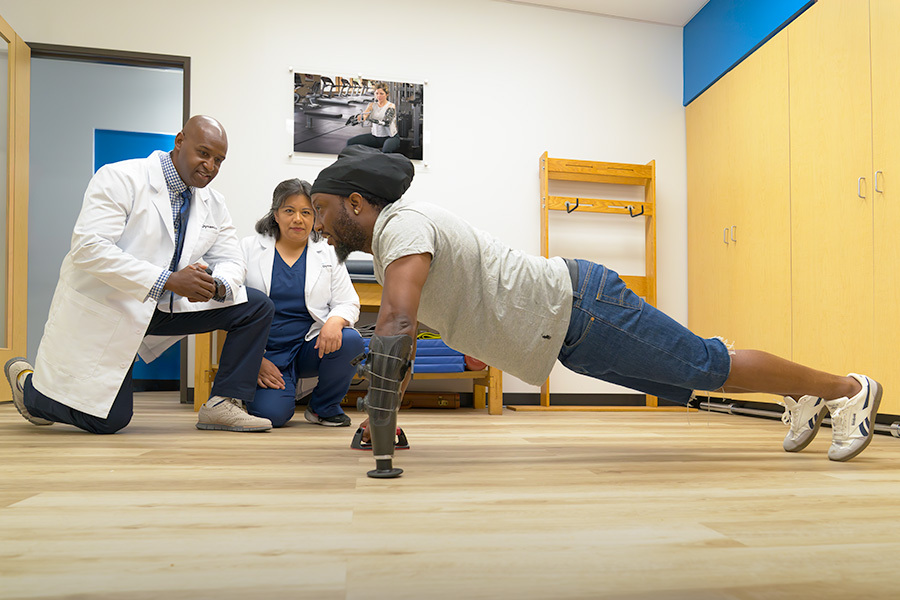
JulianWells-Pushup-Listing

First up is time. How much of it varies widely. How much has your amputation affected your everyday life? For some people, they’re able to grieve, recover, get a prosthesis and move on relatively quickly. For others, it can be years before the good days begin to outnumber the bad. It can take even more time for a person with limb loss to feel comfortable with the difference in their appearance and to accept their prosthesis. Creating a new normal, hopefully a better normal, can take time. The number one piece of advice our patients give us when we ask them what they would say to someone at the beginning of a prosthetic journey? “Have patience. With yourself and others.”

All of your feelings are valid. Knowing that and trying to label what you’re feeling may be helpful. As Dr. Dan Siegel says, “You’ve got to name it to tame it.” Try to cultivate a positive mindset. No, this doesn’t necessarily involve buying a bunch of motivational signs for your kitchen, but it might mean meditation, breathing exercises or journaling. Do what feels right for you while trying to occasionally step out of your comfort zone. One way we help our patients do that is by using a screening tool called The Wellness Inventory. It was developed as an extension of our holistic care model, which addresses the physical, psychological, social and occupational concerns of people with upper limb loss or congenital limb difference. Based on a patient’s answers, we may suggest adding members to their care team, such as Cognitive Behavioral therapists, Acceptance and Commitment therapists and Cognitive Processing therapists.

Don’t minimize your suffering or let others minimize it. Some people do think of themselves as lucky, and others don’t. Speak up for yourself if you feel someone isn’t honoring your experience – which can be hard to do considering so few others know what you have gone through. Be kind to yourself and know that others often don’t know how to respond to your pain because they were never taught how to do that.

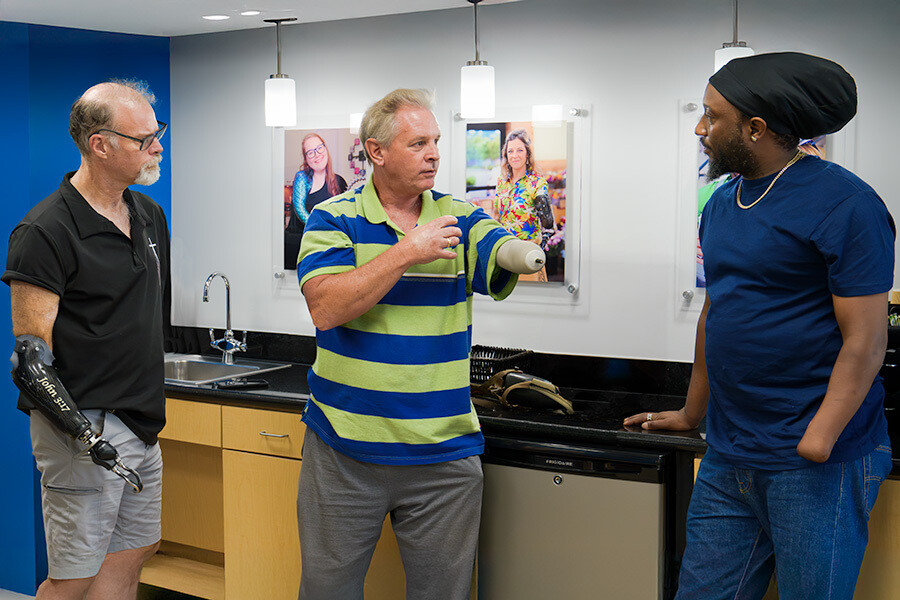
Madee and Ashley 900 x 600

Some people do not experience post-traumatic growth, or it can take much longer than you think. That’s okay! Sometimes just getting through life, dealing with everyday difficulties and post-traumatic stress disorder (PTSD) is more than enough. Some people can experience post-traumatic growth and PTSD at the same time. We are all just doing our best.

One more thing that can help: independence! A big part of being independent is having a prosthesis that is comfortable, functional and looks good to you. Our holistic prosthetic care model means that our patient’s goals are our goals, and our clinical team not only fits you with the right device for you, but teaches you how to use it. If you, or someone you know, would like to learn more, please contact us or leave a comment below.

Subscribe!

No Comments Yet

Let us know what you think