

To start: Please note that you *should* not fall asleep wearing your prosthesis. We don’t recommend it. Your skin needs a break, and you wouldn’t want to accidentally damage your device. But! Our team does make prostheses that our patients have been able to fall asleep in and, to us, that’s a testament to our commitment to comfort.

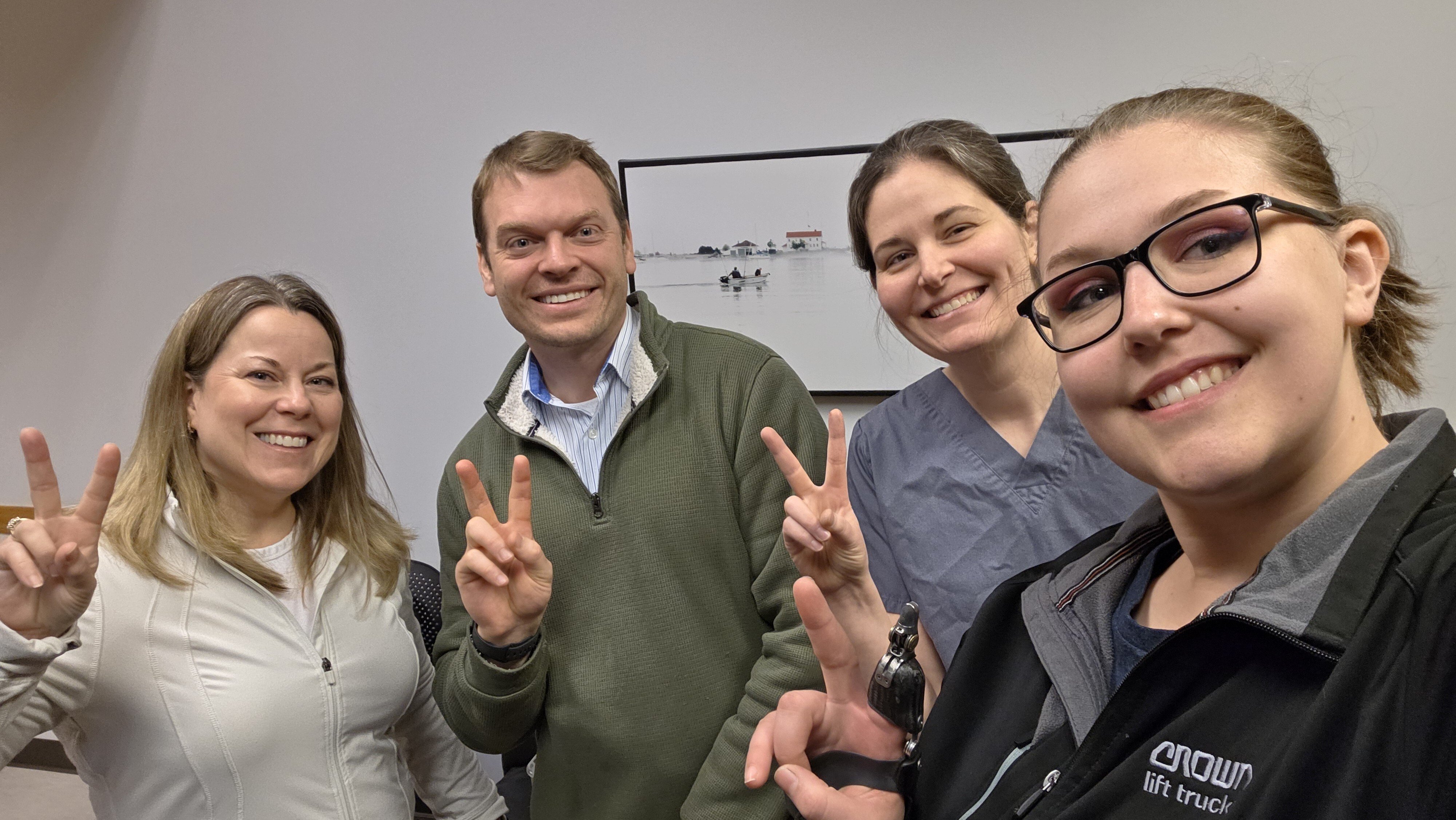
Our patient Madee told us that she recently fell asleep wearing her Point Designs Partial Digit. She told us that when she’s wearing her device, it feels like her residual finger is being “hugged”. The snugness of her device means not only does she know it’s not going to slip off, but additionally, she knows that if she bumps her hand on something (very possible in her job as a forklift technician, but also possible at all times of the day or night), the end of her sensitive residual finger will not be hurt. “Also, because I have something there for my eyes to see when I look at my hand, the prosthesis seems to have helped with my phantom pains.”

Picture of NCC with Madelynn
Madee on the right, with her prosthetic care team.

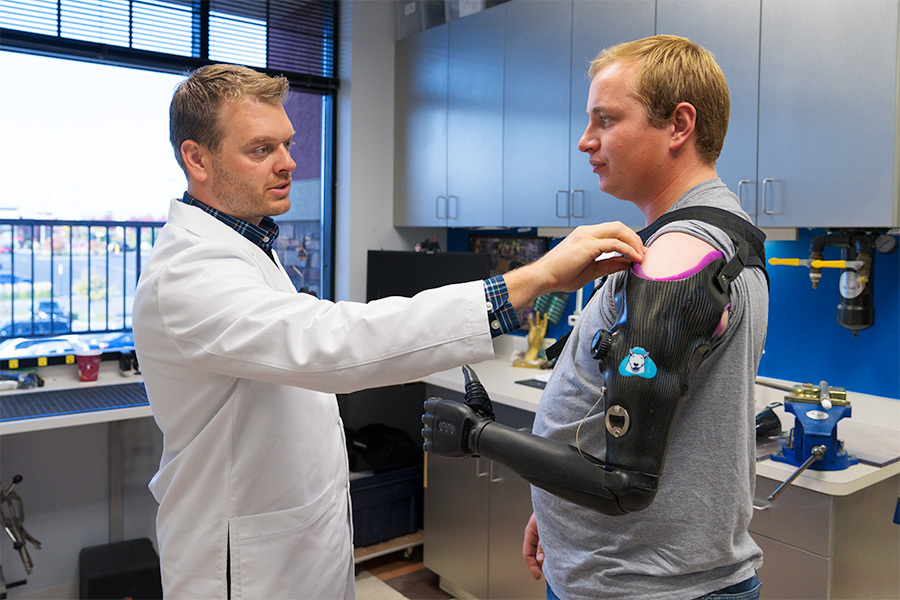
What makes our prostheses so comfortable? Well, there are three main reasons: silicone sockets, years of experience, and the care and time we put into our creations.

Silicone Sockets

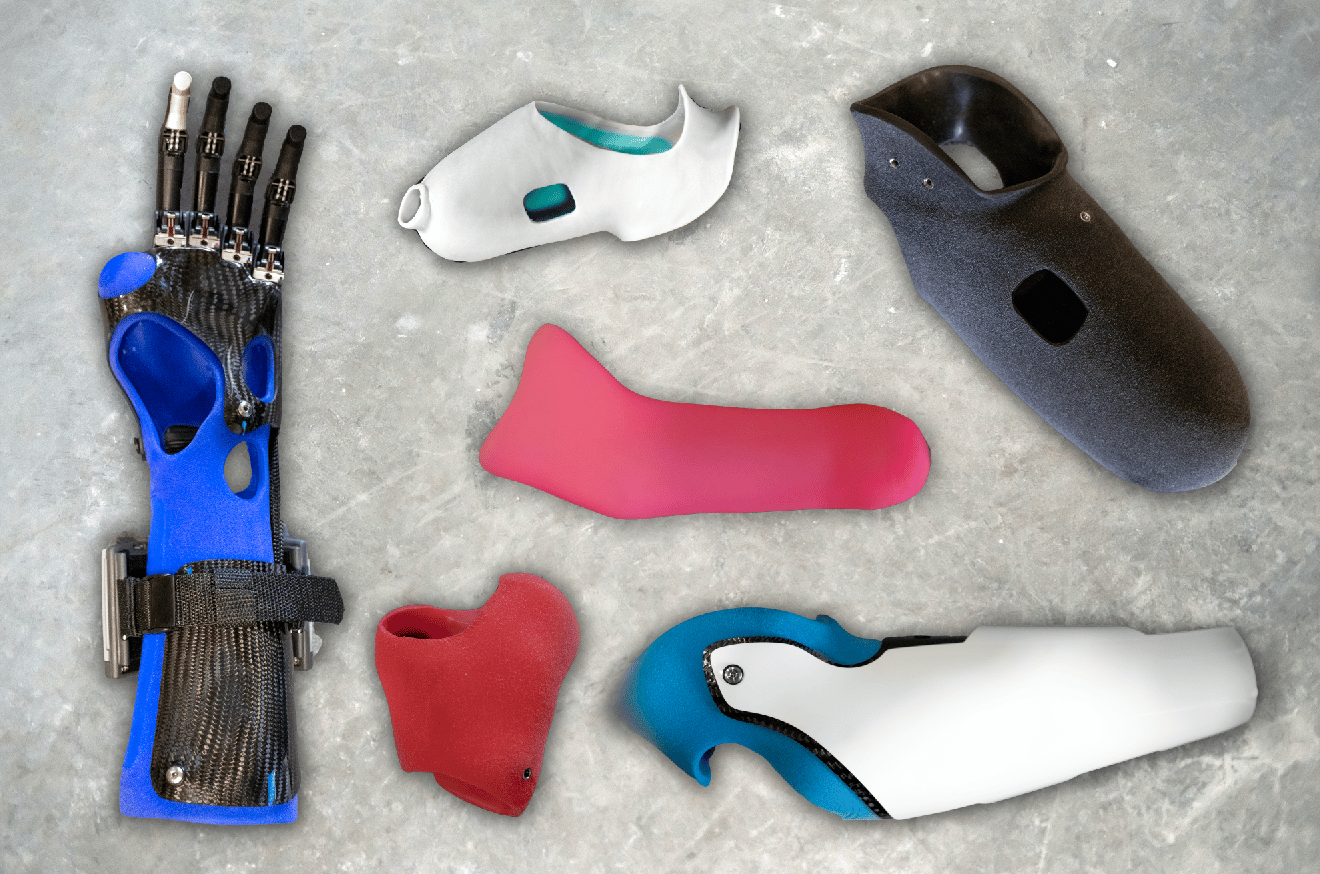
Have we written about these before? You bet we have. We would shout their benefits from the rooftop if we could. Silicone has it all: it’s soft, malleable and stretchy, yet maintains the form that we cure it in. This means that you can put it over a larger area of your residual limb and it will conform to a smaller area and 'hug' it.  Silicone can also help heal scars, and over time, promotes new skin growth. It builds up less heat, so the socket feels cooler. All that AND silicone is customizable. Not only can our patients pick their terminal device and design their frame they can also pick the color of their socket – and PS – it doesn’t have to be one color.

siliconesockets2020

Are silicone sockets for everyone? Nope! Some people are allergic; others have limb differences that would be better served by a thermoplastic socket. How can we tell which type of socket is the right fit for the patient? Well, that comes from the next two reasons our prostheses are so comfortable.

Experience

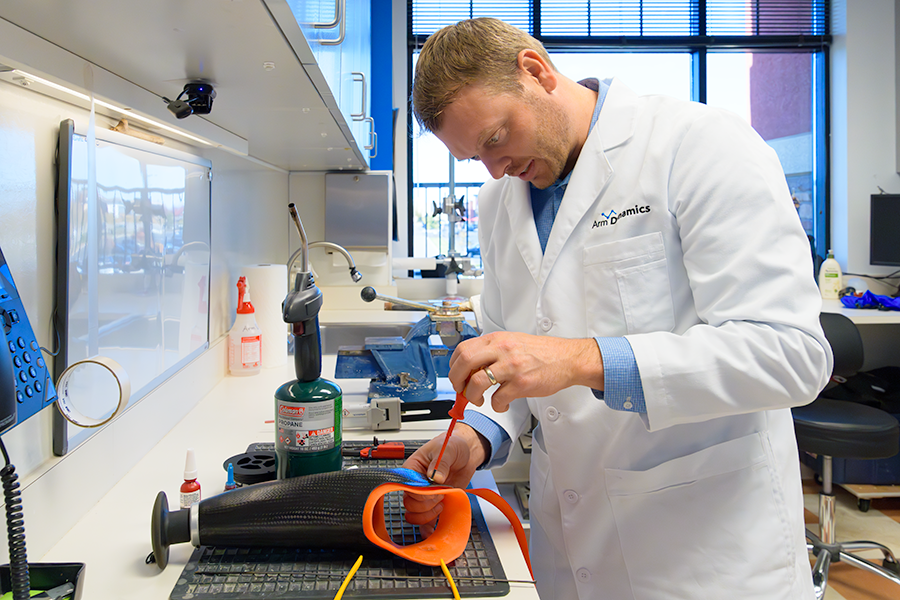
Would you like to know two personality traits that work really well for prosthetists and their assistants/technicians? Curiosity and perfectionism. A curious prosthetist is one who is going to look at someone’s limb difference, along with their goals and preferred terminal device and say, “Okay, how can we put this all together in a way that is comfortable, functional and aesthetically pleasing for the patient?” A prosthetist who is a perfectionist isn't going to let any setbacks they may encounter during the fitting process stop them from creating a device for their patient that works best for that patient.

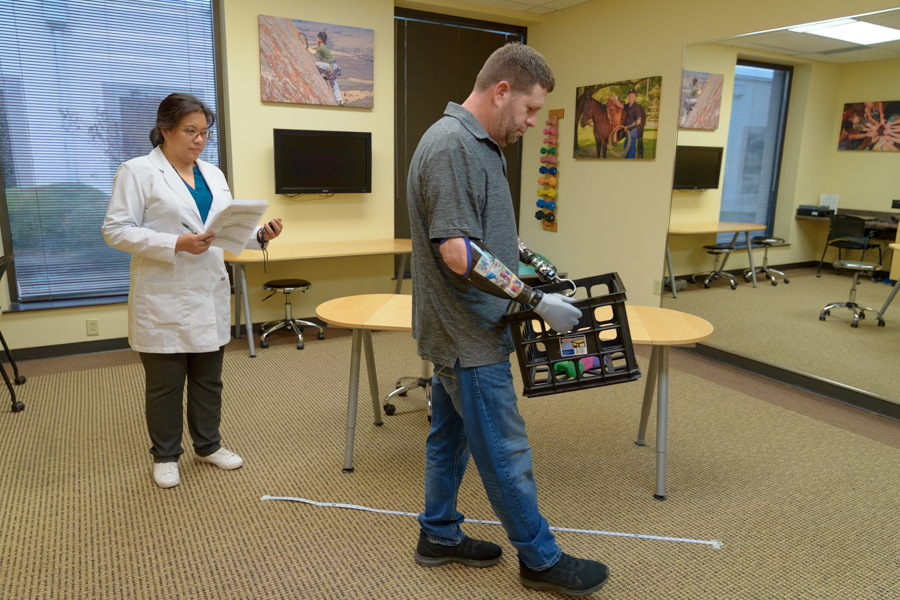
Our Arm Dynamics prosthetic care model was created over 25 years ago. This means we have the experience of treating a lot of upper limb patients, and a lot of years of outcome measure data to back it up. Outcome measures are assessment tools that help us figure out what works best when fitting people with prostheses that are functional for a variety of tasks.

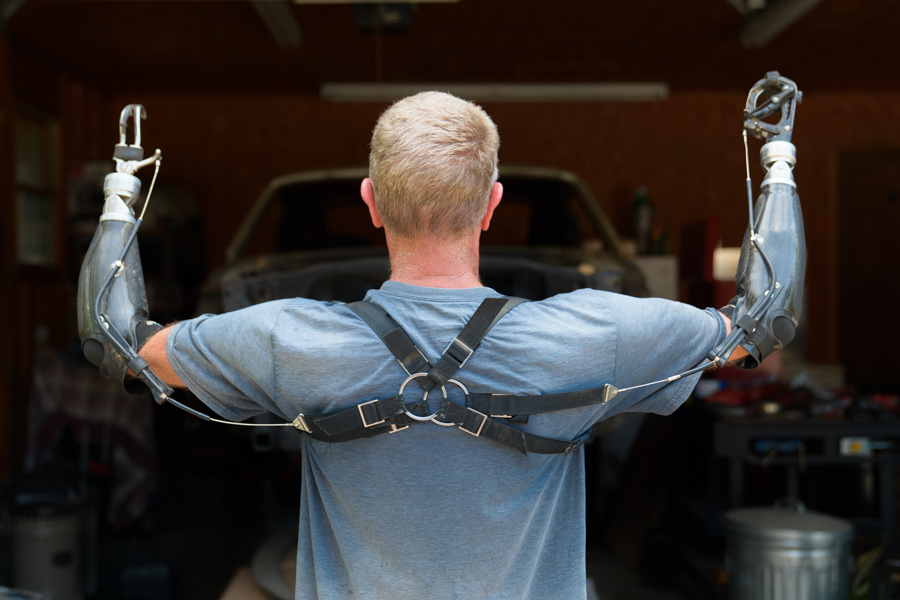
During those 25 plus years, we've also been perfecting socket designs. Our team has pioneered progressive designs that are either patented or published such as the TRAC, Micro Frame and Partial Hand Dynamically Contoured Interface.

Outcomes-Listing
One of our occupational therapists, Carina, timing her patient, Jason, as he performs outcome measure activities.

Care and Time

Okay, we have the best possible materials, and we know what we’re doing – but neither of those matter if we’re just creating prostheses without knowing what our patients want to do with their device, like returning to work, hobbies or sports. When we listen to our patients throughout the entire fitting process and during the years of follow-up care we offer, we discover how we can support their goals. If they want to lift weights, what can we do to make sure they feel comfortable meeting their fitness goals? If they are experiencing some pain when they wear their device, we want to discuss it with them to figure out the cause – sometimes all it takes to fix it is a simple readjustment of a strap, which is much better than having a niggling pain annoy you for years. We’re not in the business of scheduling one patient after another – creating a time crunch would mean our clinical teams wouldn’t be able to sit with our patients and listen to them, something that more than a few of our patients say makes us stand out in the world of prosthetic care.

So, to reiterate, in general, please do not wear your prosthesis when you crawl into bed at the end of your productive day. But if you do happen to fall asleep before you take it off, and your prosthesis is comfortable enough for you to get some good sleep, and you tell us about it, well, it might just put a smile on our faces.

If you would like to learn about the kind of prosthetic care we’ve described above, please contact us. If you’d like to leave a comment, please do so below.

Subscribe!

No Comments Yet

Let us know what you think