
The majority of people who have an upper limb amputation due to an on-the-job accident are men, because men are the majority of individuals who are working in jobs like construction, farming, power line work and other higher-risk jobs.

But as the job market becomes more egalitarian, there are more women working jobs that can be higher risk for on-the-job accidents. In this article, we’ll introduce you to four Arm Dynamics patients who are women and had injuries on the job that resulted in amputations.

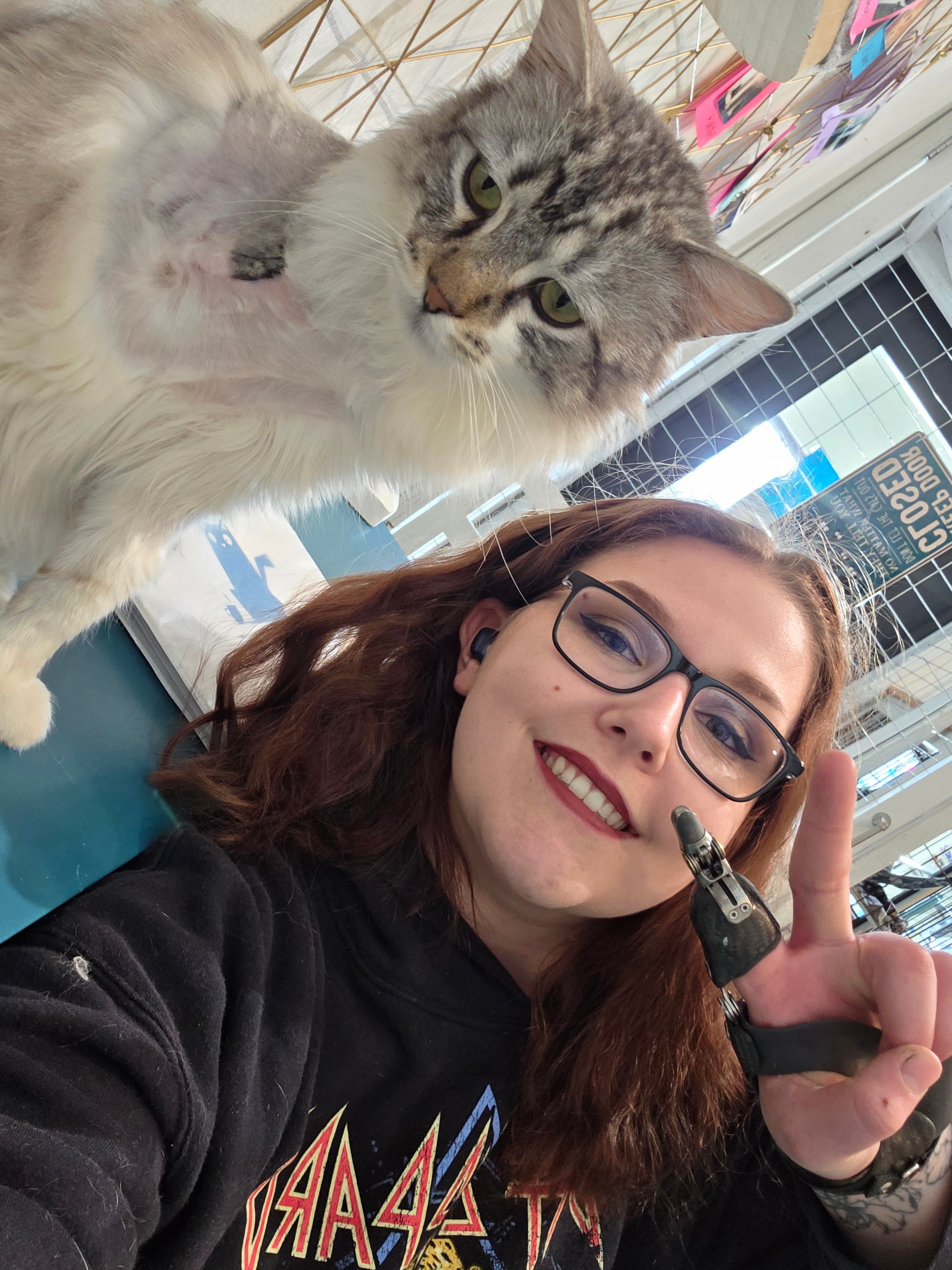
Our patient Ashley was working as a courier in Wisconsin. An accident happened at the airport where she worked and while Ashley sustained many injuries as a result of the accident, the only lasting one was the amputation of her left index finger.

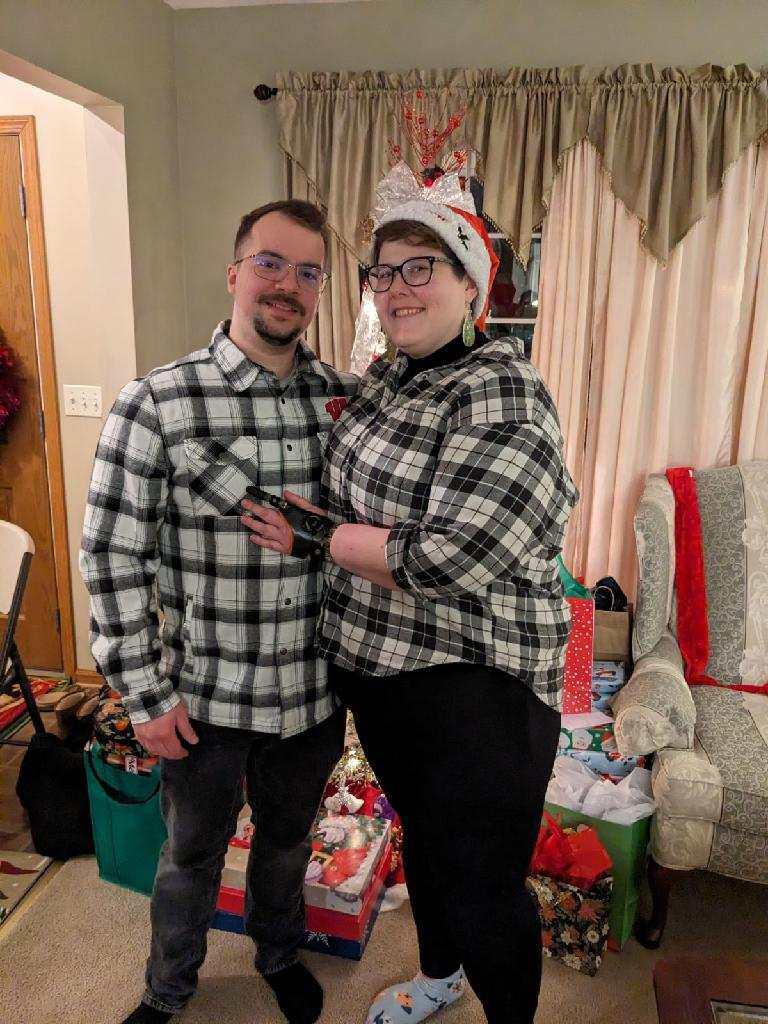
One finger may not seem like a lot, but anytime someone’s body changes in a way they didn’t choose, it can be devastating. “I struggled with my self-worth. Not wanting to live and thoughts like that. I spoke with my therapist a lot – they were so helpful.” We have heard from so many of our patients that if they are willing to see a therapist for talk therapy, it can be of enormous help. Ashley also told us: “One thing that really helped was my boyfriend, who kept telling me my hand is beautiful. That helped my self-esteem. Or my dad, he said, ‘Oh, I don’t even notice.’ My dad was the first person to say that, and it made me cry happy tears.” Ashley and her boyfriend are pictured below.

1000010331

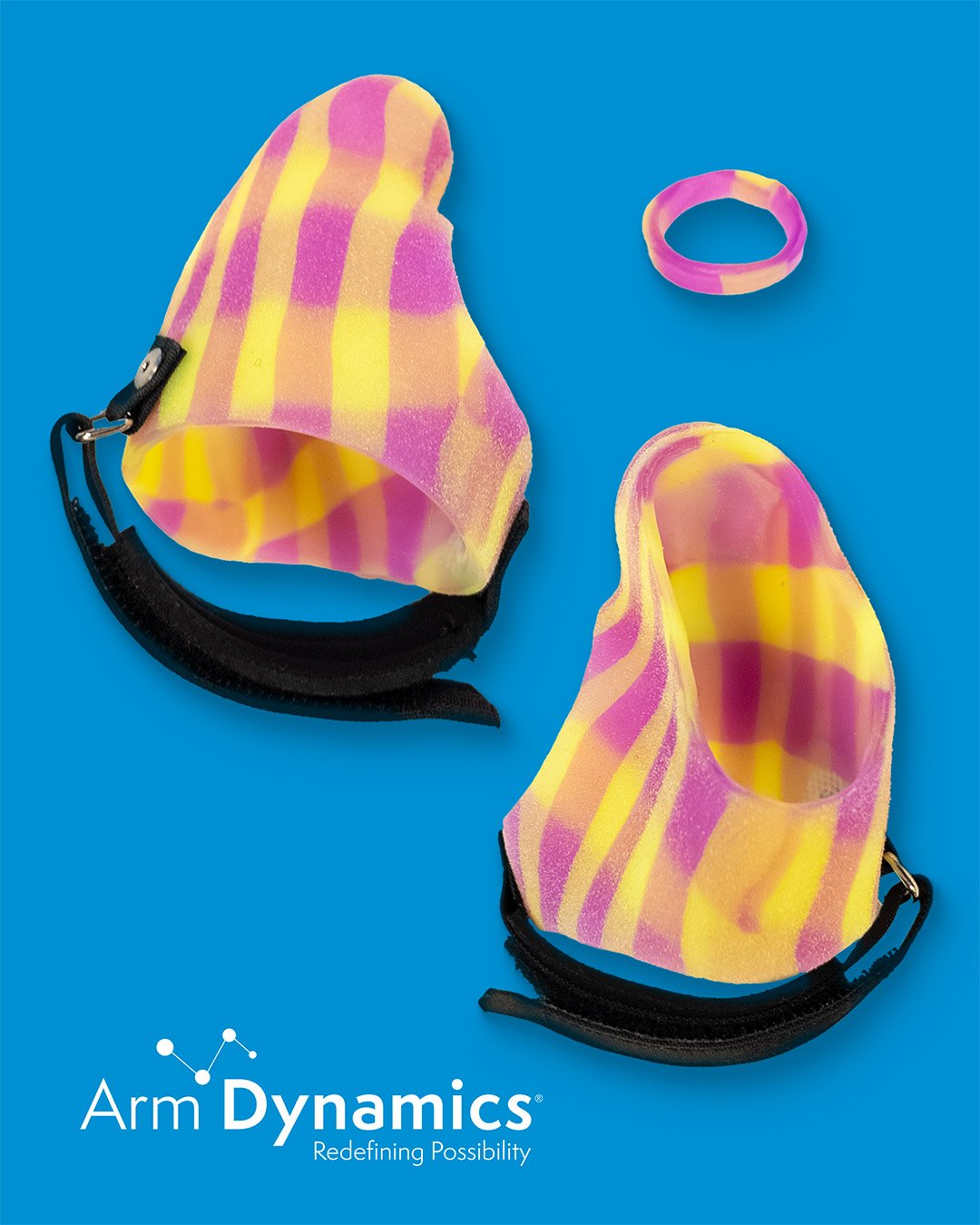
Because women are, generally, held to a different standard of appearance than men, having a hand that looks different than others can be a lot to cope with. But Ashley chose to take the opportunity to have her hand protector, which she received in addition to her prosthetic device, really represent her: “My prosthetic team made me a hand protector – it’s soft silicone and I love it. I’m a big flannel fan, and I love the colors pink and yellow, so they made me a pink and yellow flannel design. Brianne [the prosthetic assistant who helps create the devices at our Maple Grove, MN, center, where Ashley is a patient] even made me a ring to go with it.” Ashley uses both her passive positional prosthesis and her hand protector while she is at work, back at her job as a courier.

Ashley Passive Silicone Protector

Our patient Madee works as a forklift repair technician. She was injured on the job in an accident that severed the top half of her right index finger and broke her middle finger. After the initial amputation, Madee chose to have revision surgery. “It was one of the best decisions of my life, honestly. One, I think it [my amputated finger] looks amazing, in my opinion, for such a traumatic injury. And two, I was taking opioids before my surgery, on a schedule, round the clock, but because my surgeon clipped those nerves back, within two days of my revision surgery, I was only taking ibuprofen.”

Madee returned to work before obtaining her prosthesis, but because her residual index finger was so sensitive, she splinted it. This meant that she simply didn’t use it during the two months when she was working but without a prosthesis. Becky, her clinical therapy specialist, had some thoughts about that: “One of the reasons we think Madee transitioned so well to using her prosthesis is that she just never used her remaining index finger, so she never engaged in any adaptive behaviors. She just went without it, which can be tough in the short term, but better in the long run because when she was fit with her prosthesis, she started to use it just like she would any finger.”

20260222_084255

Ashley and Madee share similar amputation levels, and both go to the same Arm Dynamics center, in Maple Grove, MN, so the team there snapped a photo of them together:

Madee and Ashley 900 x 600

Nicole is another patient of ours who had an accident at work that resulted in an amputation. Hers is a below elbow amputation, and Nicole wears several different prostheses: two myoelectric devices (a multi-articulating myoelectric hand and an ETD) and three body-powered/activity-specific devices (a Super Sport Hand, a gun turret and a handlebar attachment). You can watch her use all these devices and talk about how they all help her at home with her kids and her hobbies in her video:

Lastly, let’s introduce you to Claudia. A patient of our Portland, OR, center, Claudia was injured in a workplace accident at an onion-packaging company. Claudia had an above elbow amputation but wasn’t about to let that slow her down. With the help of her prosthesis, she has maintained her independence, being able to do tasks for herself and her son at home, work out at the gym and return to her job. Watch her video where she talks about needing her prosthesis for many things, including preventing overuse symptoms:

There aren’t necessarily more things that a woman has to think about after an amputation than a man, but there are some things that she may want to consider. Depending on which hand or fingers were affected, some women struggle with how to wear a wedding ring. Others miss being able to paint their fingernails. There is also the question of harnesses and if they can be comfortably worn when someone has breasts. Additionally, some prosthetic devices and hands come in smaller sizes, which may be worth considering.

Regardless of your gender, our Arm Dynamics prosthetists and clinical therapy specialists are interested in their patients because each patient is an individual in need of prosthetic care. We are there to listen to our patients, learn about them, create goals with them and teach them how to use their prosthesis or prostheses. If this kind of holistic prosthetic care interests you, please contact us. If you would like to comment on this article, please do so below.

Subscribe!

No Comments Yet

Let us know what you think