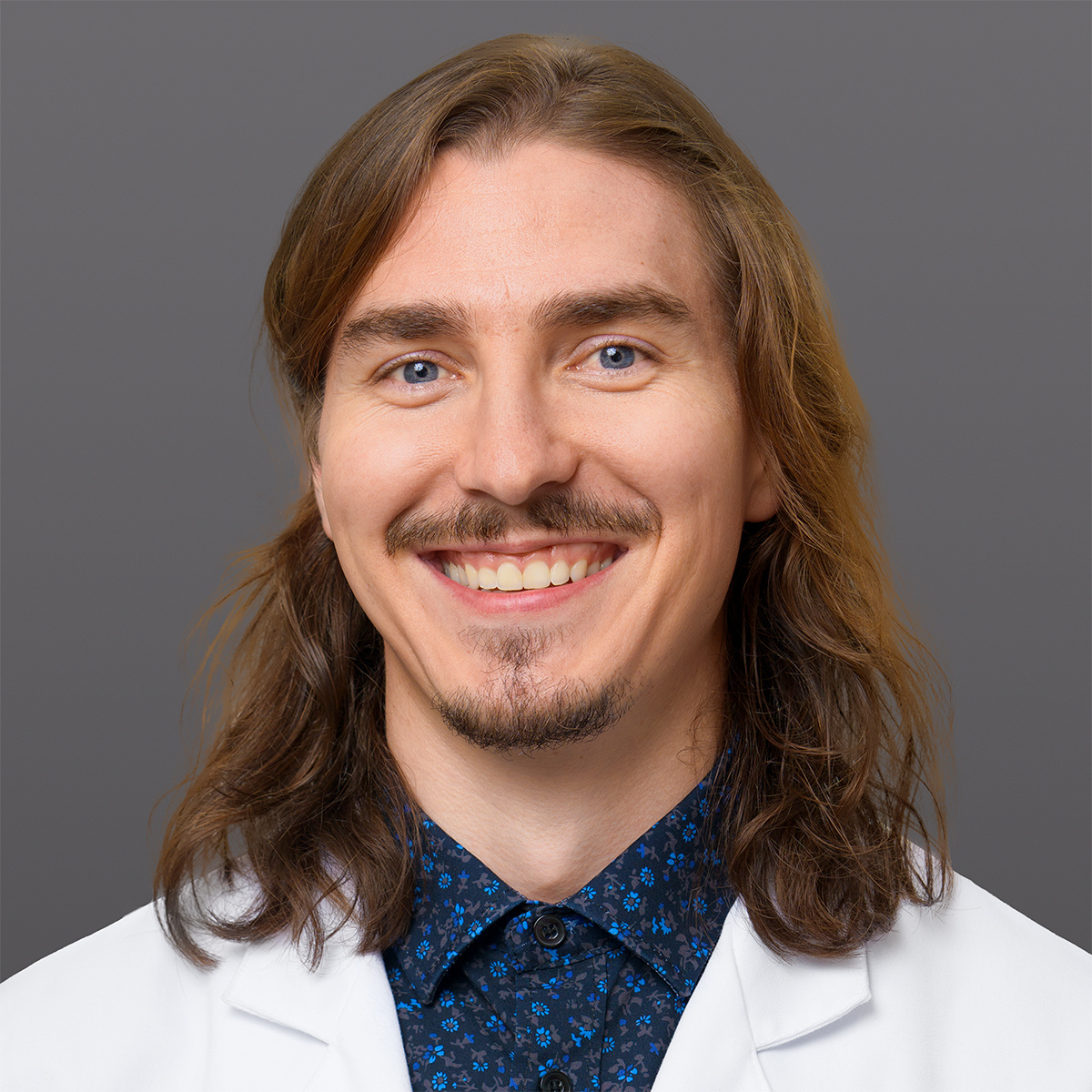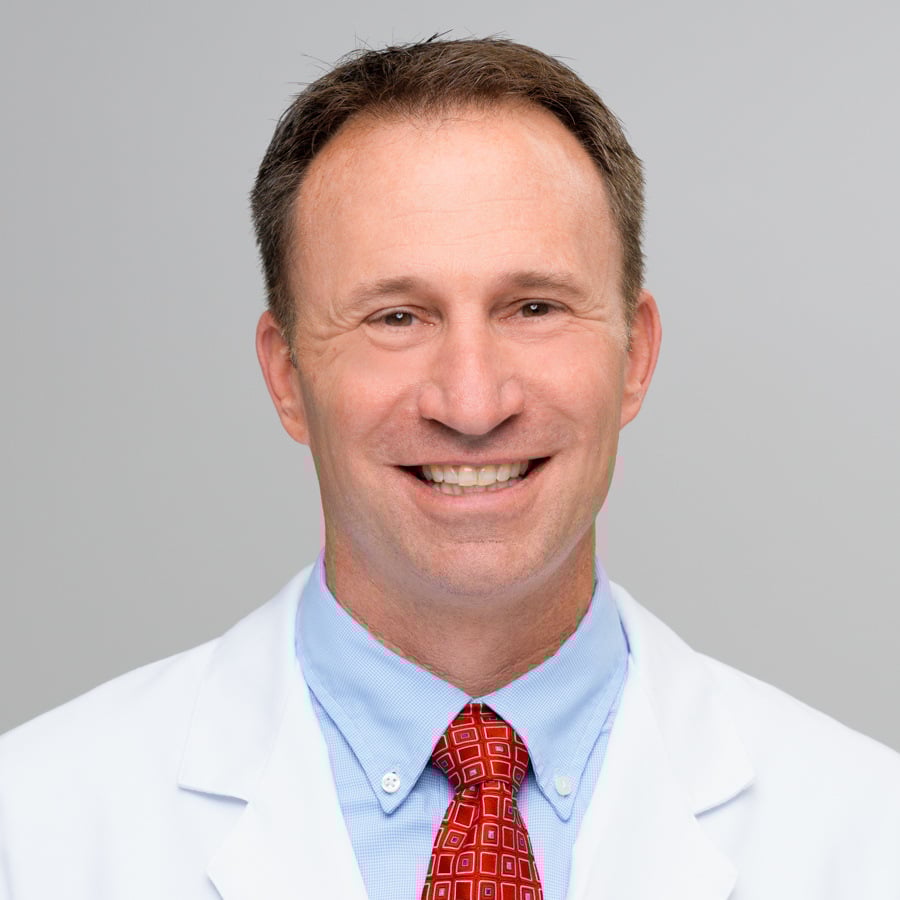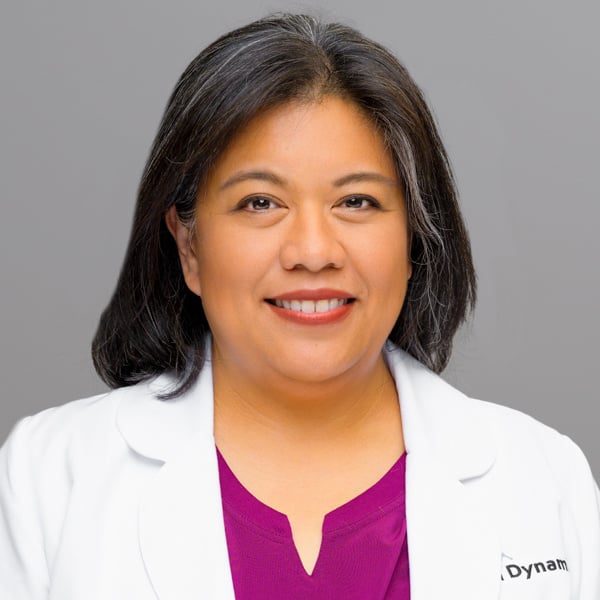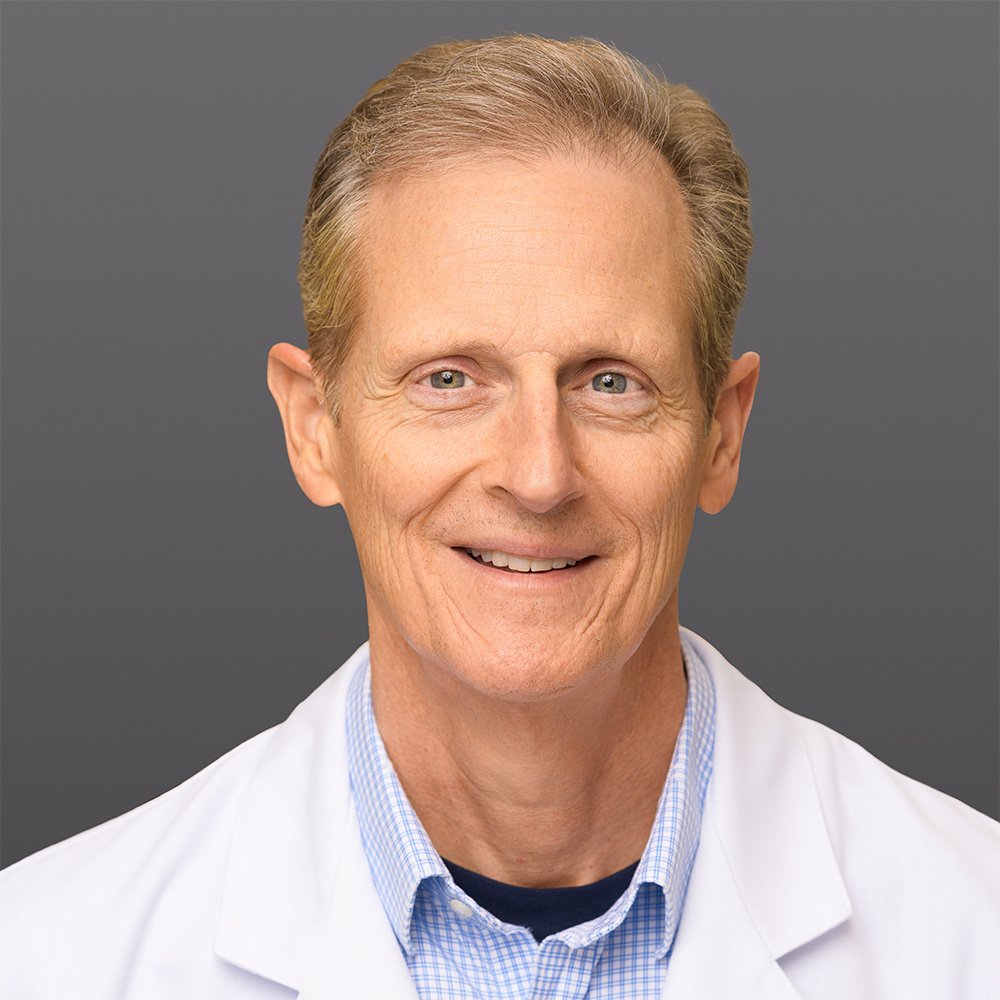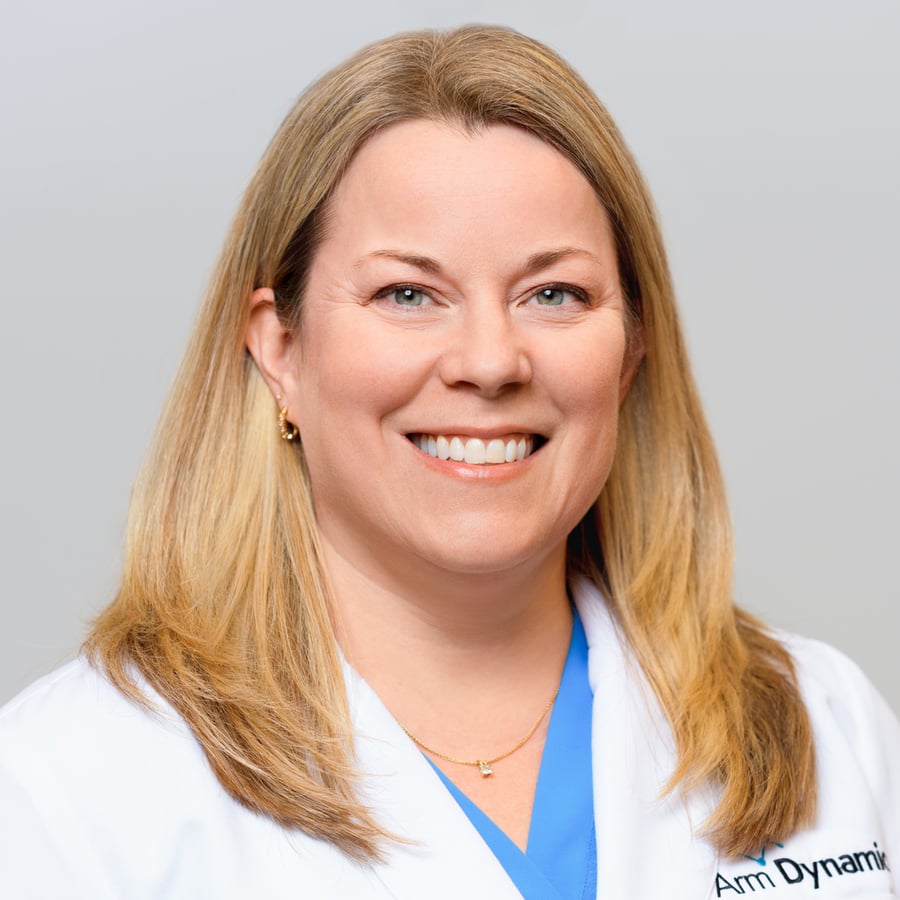

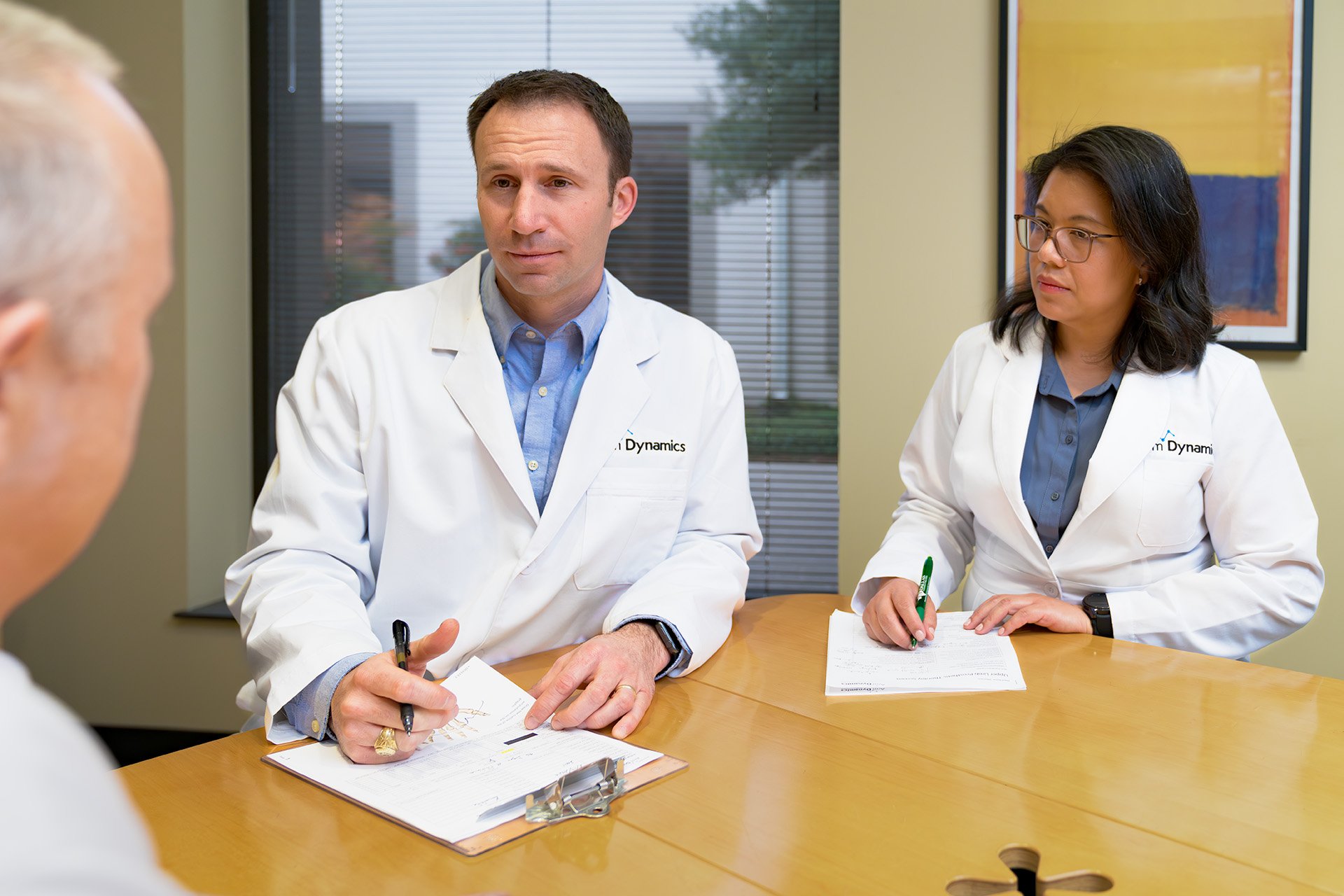
A care team is a group of individuals who provide care, either full-time, or in the weeks and months after a health crisis such as an amputation. The most important person on the care team is YOU, the patient. Others on the care team may include a family member or other caregiver, a physician, a surgeon, a case manager, a therapist and a prosthetic care team.

The people on your care team are experts at what they do, and their focus is on assisting you in finding your new normal. There are people on your care team that you’ll be in contact with for the long run, and others that you may have little contact with as time goes by, like surgeons and nurses." 

At our Arm Dynamics centers we understand that patients have gone through a life altering event, and we will be offering support for the long haul. As you accept new challenges, continue to grow and have different needs, we are always a part of your team. This starts from the first visit all the way through the lifelong prosthetic care we offer.

Patient Consultation

Additionally, while we are experts in prosthetic care, we are not the expert on you. You are the expert on you. Our job as the prosthetic care team isn’t to tell you what device you need  it’s to work with you to discover what device will work best for you based on your goals. We may have to work within what your insurance provider will allow, but there are almost always options. Once a type of prosthesis is chosen, there are still many details to figure out. That’s where our partnership with our patients really ramps up.

There are many different stages to creating a prosthesis. Which terminal device? How will the frame look? Colors? Designs? A silicone socket? Is this a standard prosthesis, or a unique one (more on those below)? At the beginning, our prosthetists and their technicians and prosthetic assistants create an initial prosthesis  a functional prosthesis that our patients can learn to use with the help of their clinical therapy specialist who is a full-time, on-site occupational therapist.  After the initial test prosthesis has been fitted, most of our patients take it home to see how it works when they’re using it for daily tasks. Once our prosthetists and therapists have discussed any changes that may be needed they create and fit their patient with a definitive prosthesis. That is the one that our patient will take home to keep.

Notice, though, that we didn’t say “final” prosthesis – at our Arm Dynamics centers, we prefer to use precise language. To send a patient home with a “final” prosthesis would indicate we don’t have any plans to improve upon the prosthesis you have  but until you’re using it day in and day out long term, we haven’t yet figured out if there’s something that needs improvement.

Chris-Rob-Listing (1)

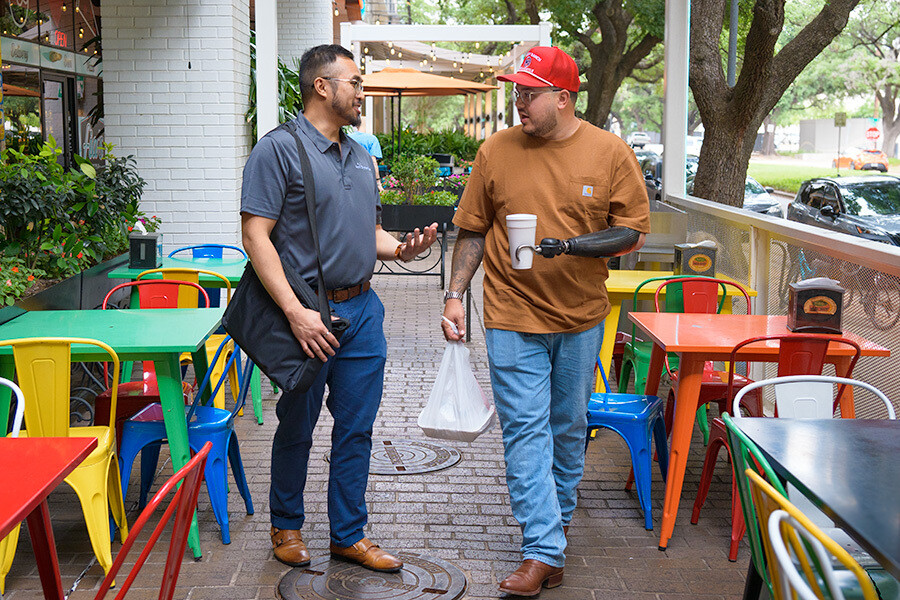
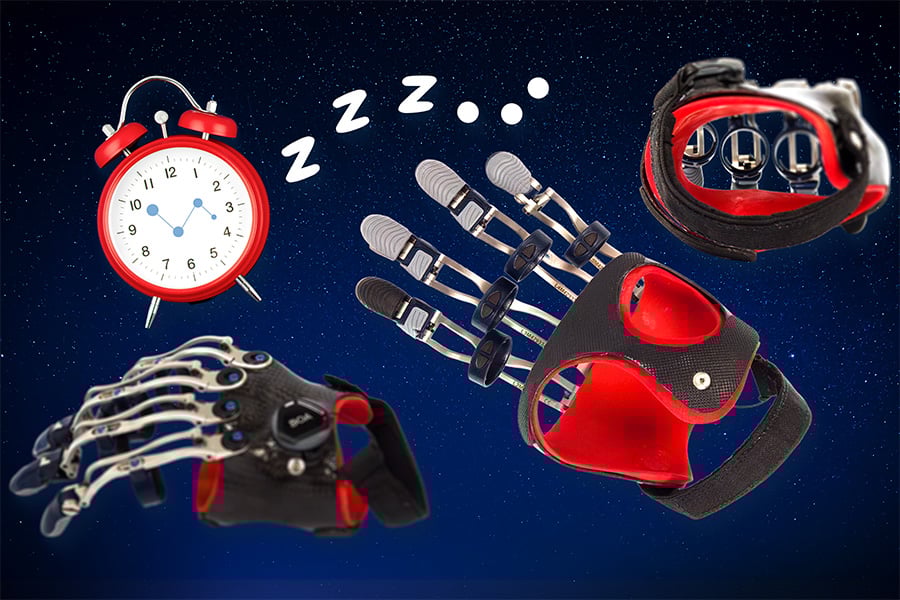
Our patient Chris (pictured above, left) had a partial hand amputation and decided that a prosthesis with four passive-positional Point Designs Digits and a Point Thumb was the way to go. So, his prosthetist Rob created one for him, with the help of his team. When Chris tried it on, it worked okay, so he took it home. But as he tried various tasks, he ran into some challenges while trying to use the prosthesis. He spoke to Rob about it and they both began to think of ways to modify the device to work for Chris. In the meantime, Chris was fit with a passive silicone restoration, which was fine, but not quite as functional in the way Chris wanted it to be. After some back and forth, Chris brought his passive-positional device to the Dallas center. Rob made some changes and boom! There it was a prosthesis that worked for Chris. When Chris and Rob partnered together, Chris was able to take home a prosthesis that worked best for him.

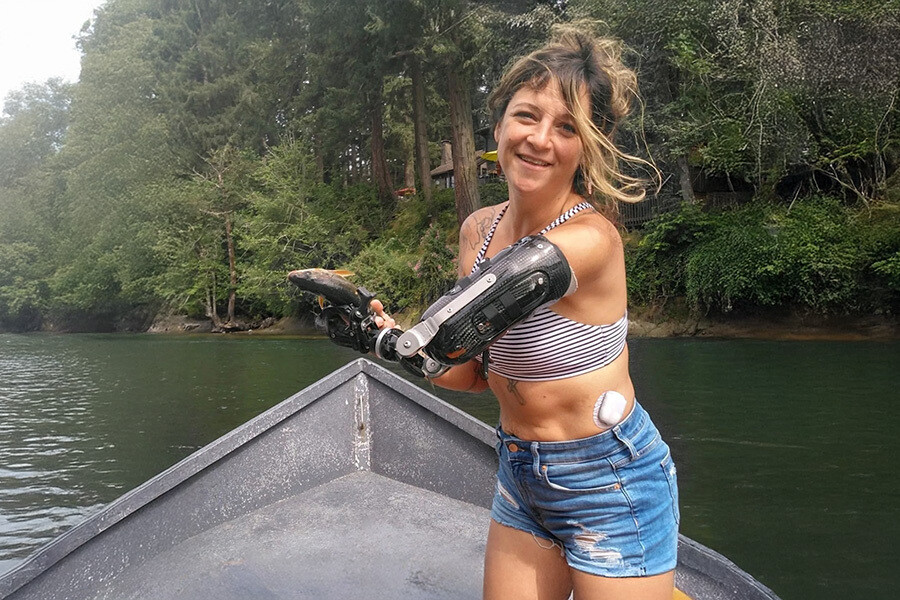
Wendi, a patient at our Portland center, had a unique situation. She was injured while snowboarding, and her elbow joint was shattered. After twelve years of unsuccessful surgeries and lots of pain, she elected to have her arm amputated above her elbow. At that point, she didn’t feel the need for a prosthesis and learned how to do her job and her hobbies without one. “I thought, oh, I can live with one arm forever, it’ll be fine. Well, you can’t. You gotta give your body a break, you can’t overuse one side.” Part of what prevented Wendi from getting a prosthesis was her reluctance in getting a “typical” prosthesis. “There was so much that I could do with my nub [her residual limb] that I didn’t want to add the weight of a regular prosthesis. I just wanted like something on the end of my nub so I could paddle board or pick up banana boxes at work [Trader Joe’s]. Like, that’s all that I needed something just at the end so that I could be slightly more balanced. My prosthetist and his team went through at least three different prototypes, ‘cause it was made specific to me, it was specific to fit the ideas of what I wanted to do with it, like the four-wheeling, paddle boarding and my work. I told the team, I don’t need a full arm, l just need something at the end of my elbow and they were like okay, well we can figure this out.”

And they did:

Wendi-Listing

For our patient Marissa, it wasn’t the length of her device that gave her pause, it was the elbow joint. After her above-elbow amputation, she wasn’t sure she wanted to take the time to learn how to operate the elbow joint of a prosthesis she was eager to get back to her job and her life. She was also intent on having a “mermaid arm,” as you can see in her video below. Marissa: “When I was in the hospital after the accident, my uncle painted this for me, and it was mainly ‘cause I love mermaids. He gave the mermaid a phantom arm, like I have, and he gave the little turtle a phantom arm. Now I’m the inverse of my painting and I’ve got a mermaid arm.”

So, in addition to creating a unique frame for an above-elbow prosthesis, the team also needed to figure out how the frame could have that iridescent shine. The Dallas team told us: “Applying the mermaid print spandex was very difficult due to the material. But after some trial and error, we figured out a new technique that worked! We’re happy with the results and so is Marissa.”

When we partner with our patients, it’s not just about function, or about how the prosthesis looks. It’s about seeing our patients as a whole person, with not just needs but wants, and as someone who knows what they are looking for. We want to communicate with them to figure out how best to serve them, then use our years of experience to create what they are looking for. Is it easy? Sometimes yes, and sometimes no, but each of our clinical teams are always up for a challenge. It’s part of what they love about their jobs!

If you would like to partner with us, or you’d like more information about the holistic prosthetic care we offer, please contact us. If you’d like to leave a comment, please do so below.

Subscribe!

No Comments Yet

Let us know what you think