


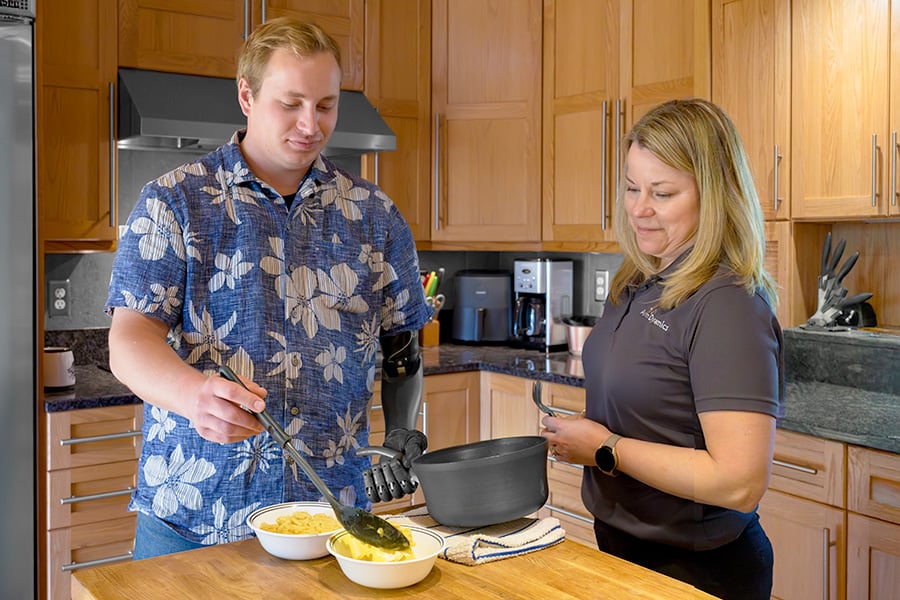
Everyone should have a choice in how they present themselves to the world and be free from others' judgment. At our Arm Dynamics centers, we believe everyone should have the freedom to choose whether to wear a prosthesis. We certainly think there are enormous benefits to being fit with a prosthesis, and we work every day to make sure our patients are fit with what works best for them – but again, it is everyone’s choice.

We all know that in the real world, people judge other people. While in public, many people with a noticeable limb difference are aware that they are being looked at and possibly whispered about. People with a congenital difference grow up with it, though that doesn’t make it okay. For people with an acquired difference, suddenly being the subject of the scrutiny of strangers can be jarring. Some of our patients have told us the way other people behave when the patient is wearing their prosthesis can be different from how they behave when the patient isn't wearing one.

ADITL-Listing

We have heard people with a limb difference report all kinds of reactions. These include questions about “how it happened,” unsolicited offers to pray for the person, or, in some cases, questions about when the limb will “grow back” from people who either believe humans are reptiles or think medical technology is further along than it actually is. (Here is an excellent, baffling example conversation from Stump Kitchen’s Instagram account.)

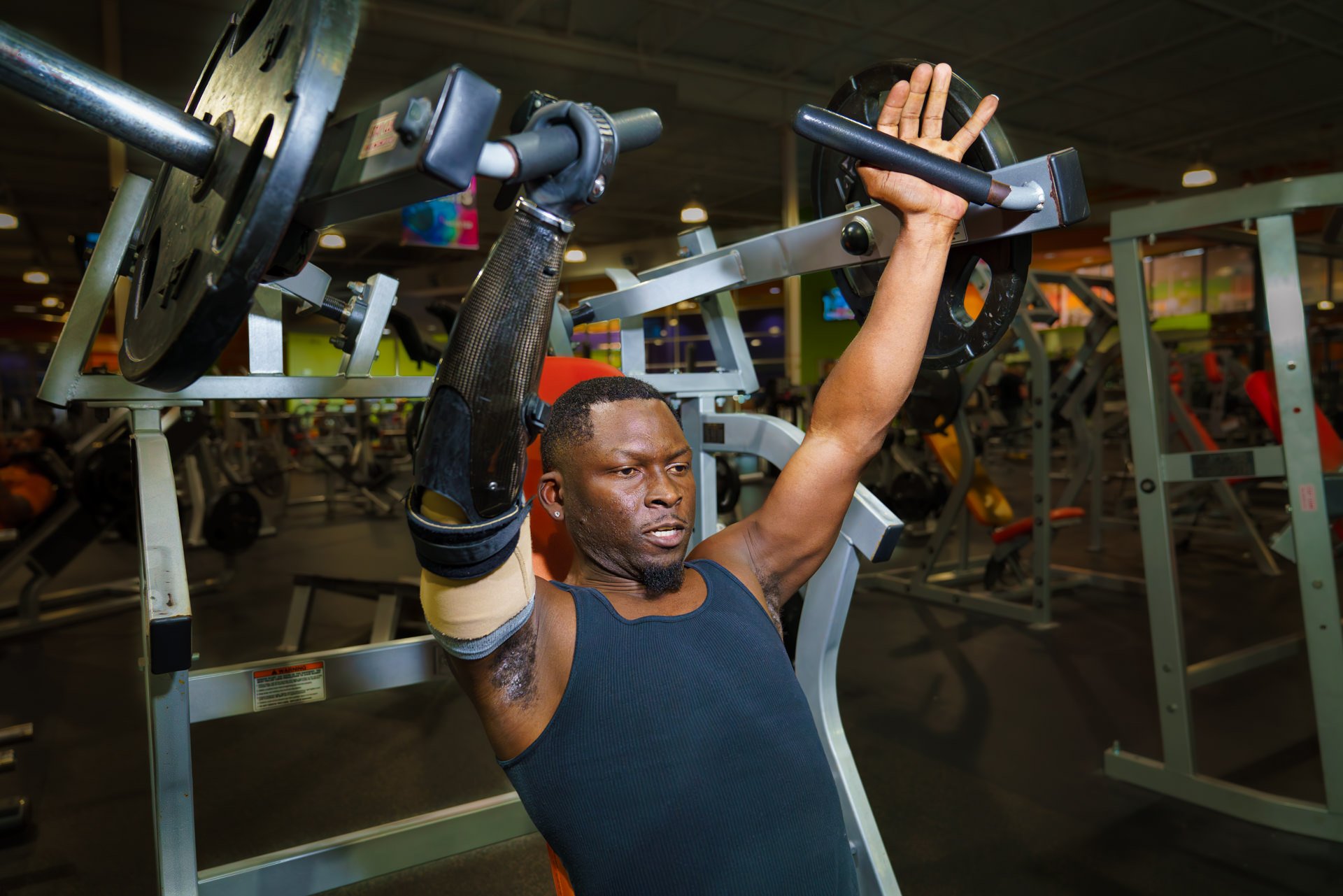
But when people have a prosthesis, the conversation seems to be less about the limb difference and more about the prosthesis. Our patient Xavier (pictured below) went from being a gym rat before his on-the-job accident that resulted in his amputation to just, as he put it, “doing nothing.” Once our team fit him with an activity-specific hand, he had the tools he needed to head back to the gym, but that doesn’t mean he was ready mentally. “At first, I was kinda nervous and scared of going to the gym. I didn’t want a lot of people to see me without my hand. But I knew I needed to be mentally strong to recover from my amputation. I had to keep doing what I did before, when possible. Since I went back, a lot of people have come up to me to tell me, ‘Hey, you inspire me to work out.’” Whether Xavier wants to be inspiring or just wants to get his workout done is another matter, but the reactions that he was worried about turned out to be entirely positive instead.

Xavier Collier at the gym with his activity-specific workout prosthesis

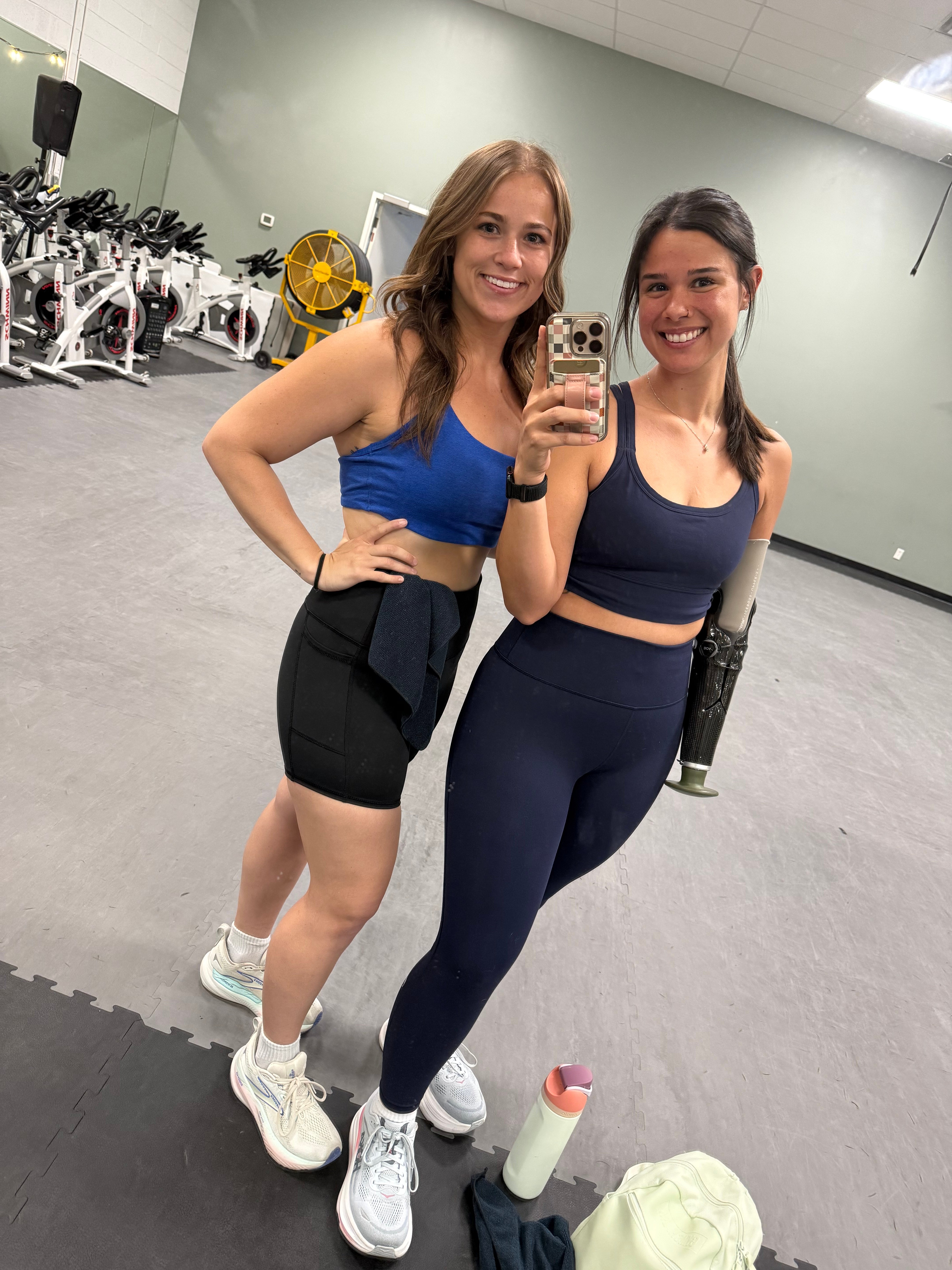
Our patient Faith (pictured below) found the same thing: “With my gym arm, people always tell me how awesome it is and that I can switch so quickly from one device, like the Black Iron Trainer, to another, like the Dragon. When I’m out in public not wearing a prosthesis, people seem to feel bad for me, but that never happens when I’m wearing one. I should be able to wear what I want without any comments, but it is what it is. There are so many pros to having my prostheses, but I would say my biggest pro is just the confidence and the social boost that it gives me.”

IMG_5909

Faith also meets kids at the grocery store who think her TASKA hand is so cool, and Michael, another patient of ours, has had a similar experience. “I do asset management at Walmart, so I’m the person who is checking receipts when people leave. The little kids always want to push the buttons to change the hand’s position.”

Tom and Sam, patients of ours, have commented on wanting that “cool robotic look” when choosing their multi-articulating myoelectric hands and don’t mind having them out front and center when they interact with others.

Why does a prosthesis change the conversation? Some of it may be that people are, for whatever reason, very invested in pointing out a limb difference. When someone has a prosthesis, the stranger may feel emboldened by it – they’re not commenting on the person’s body, they’re commenting on a cool medical device! Does that make it okay? We’ll leave that up to the individual. Strangers also may feel like someone without a prosthesis needs “help” with whatever task they are doing in public, whereas someone with a prosthesis doesn't, and the stranger may feel the need to comment because of this thought process.

Work-Listing

We’re not here to say you should get a prosthesis because it will make any comments you may receive more positive. Rather, what we hope you’ll take away is that if you are nervous about the comments you may receive after getting a prosthesis, they generally seem to be very upbeat.

One way to feel less worried about what others might think or say is to have a prosthesis that functions and looks the way you want it to. When your device is a helpful tool that reflects your personality, who cares what others might say about it? Some of our patients love a beautiful prosthesis; others may want meaningful quotes, pictures of their kids, or something that will match the clothes they wear most. Others just want basic black or don’t care as long as it functions! Our job is to deliver what our patients want, which means our clinical teams need to be excellent listeners and perfectionists.

If you are interested in learning more about the prosthetic care we offer, please connect with us. If you would like to leave a comment, please do so below.

Subscribe!

No Comments Yet

Let us know what you think