

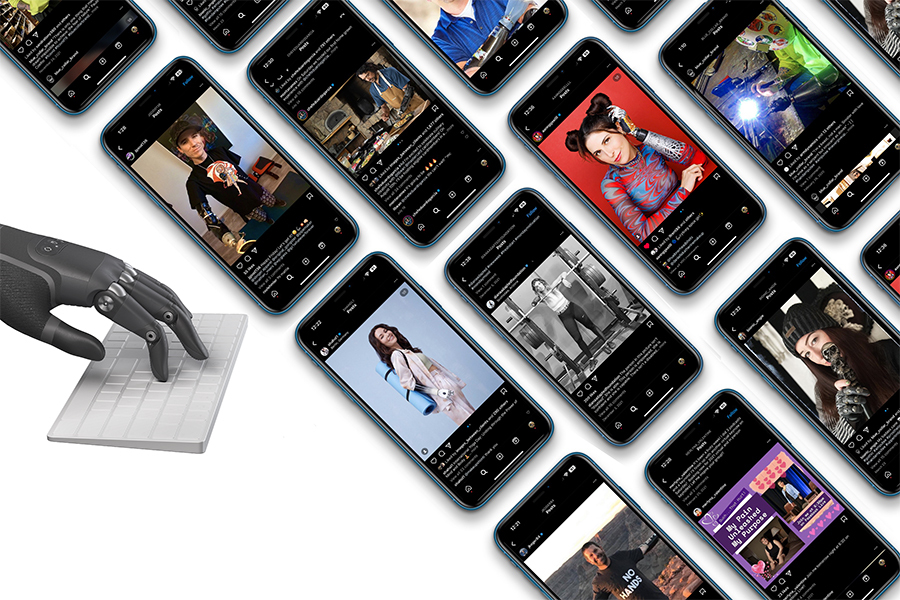

There are many people with limb differences who enjoy inspiring others. There’s nothing wrong with taking pride in showing others that obstacles can be overcome and that it’s possible to thrive despite adversity.

However, when it is not the individual’s choice to be inspiring, that’s where people with a limb difference might find themselves feeling like they are on display. That they are solely there for other people to feel inspired by. That just going to the grocery store is a gauntlet of, “Wow, it is so encouraging to see you out here living your life!” when some prosthesis users have heard that sentiment too often.

It can be confusing from a social aspect, because there is mixed messaging. For example, media coverage of the Paralympic Games spends a lot of time on the stories of the athletes, talking about the hardships they’ve had to overcome, either as someone with an acquired amputation or someone with a congenital amputation – and all with inspirational music playing in the background. There are billboards touting stories about people with disabilities doing amazing things, like the blind man who climbed Everest twice, and telling us that nothing is better than determination.

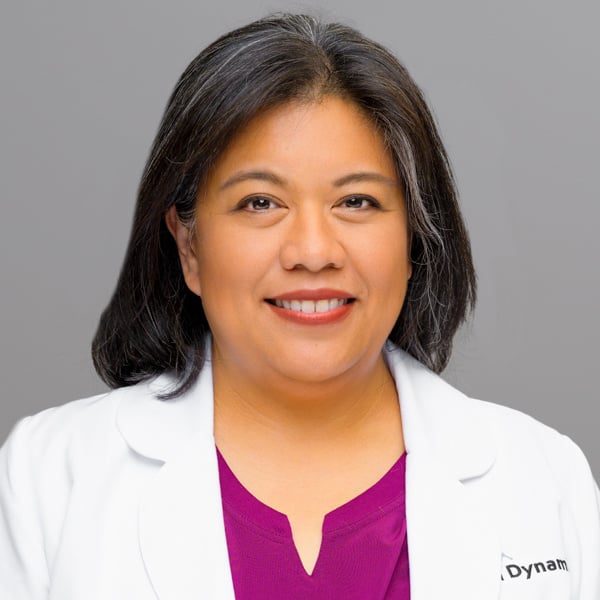
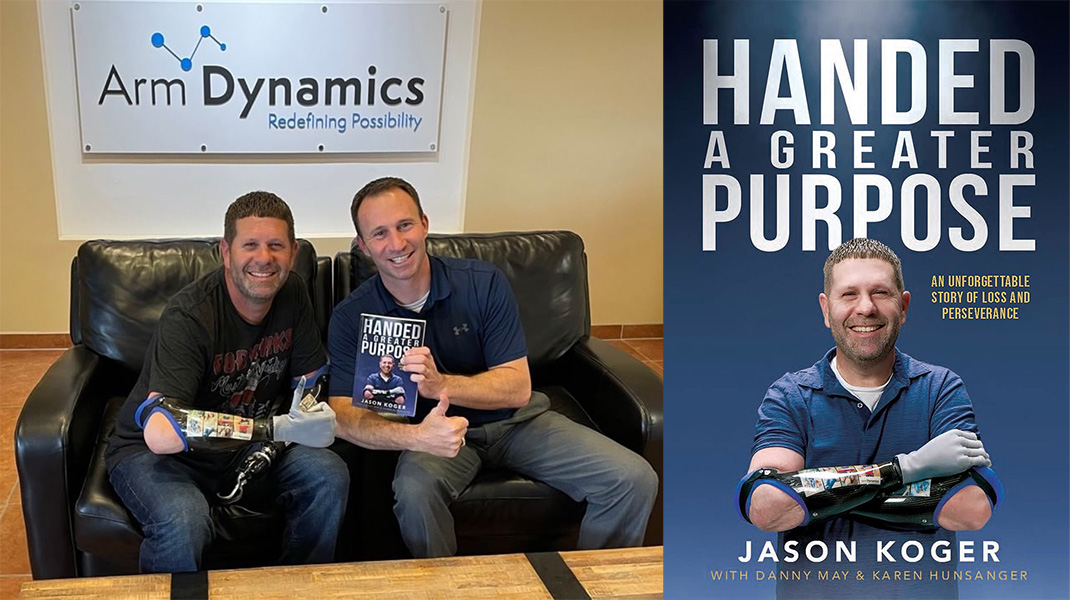
There are people who choose to become professional athletes or public figures. Even people who aren’t on the world stage can choose to become an inspirational figure, like our patient Merlyna Valentine, pictured at the top of this article, who is a quadrilateral amputee and motivational speaker, or our patient Jason Koger, pictured below. In addition to wearing shirts around town that say, “Look Ma, No Hands,” Jason has become a motivational speaker and written a book. Jason is in a place where he feels comfortable having people come up to him to discuss his bilateral limb difference. He wants to be there for others, especially those with a limb difference. He’s an open book. But that’s his choice.

Jason Koger Book Handed a Greater Purpose

There are other people who don't really want to be inspiring and prefer to go unnoticed. In general, it is not kind to comment on someone’s body. If you like their hair or their outfit, or a choice they made that day about how they look, read their body language and decide if they might appreciate the compliment. It’s the same for someone’s limb difference or prosthesis. If someone is not wearing a prosthesis, there's no need to comment on it. If someone is wearing a prosthesis, there’s still no need to comment on it, although some people may feel compelled to do so. If they do, they have some questions to ask themselves. Does the prosthesis look like the person put a lot of effort into having something on their body that reflects their personality? For instance, someone wearing a single-motor myoelectric hand that is the same color as their skin might be hoping that they can get through their day without being noticed by others, but still be able to use a functional device. If it’s someone with a lot of art on their device or a lot of color, or something very cool like a TASKA hand, then the observer could decide – does this person look like they would appreciate a compliment on their prosthesis? Do they look like they’re in the right mood? Is this the right time?

Even our patients who enjoy receiving the occasional, “Nice hand!” comment or at least don’t mind it, can find themselves overwhelmed by people who feel the need to continue the conversation. One of our patients, Abram, wound up getting a custom silicone restoration in addition to his TASKA hand and body-powered hook. He was tired of being stopped at the airport to tell his story to curious strangers. And then there was the time Abram and his wife were out celebrating their anniversary. Their server decided to join them at their table and ask Abram to tell him about how he was injured. “Sometimes, you just don’t want to retell your story to everyone all the time.” Another patient told us that she doesn’t mind the polite comments about her i-Limb hand, but when strangers ask her for a demonstration of it, she feels compelled to give one. There are times when she doesn’t feel like it or doesn’t have the time, but still does it because the hand was covered by veteran’s insurance, so it’s essentially taxpayer-funded – but veteran’s insurance is paid into just like everyone else's. No one should feel like they owe anyone any explanation or further chatting.

There’s another category to consider – people with limb differences who inspire other people with limb differences. That kind of inspiration can be life changing. Abram (pictured below) - the patient who wanted to get a silicone restoration so his prosthesis would be less noticeable - watched a video of our patient, Eduardo. Seeing Eduardo be so positive motivated Abram to move forward with his life and reach out to fellow amputees and offer them support. Watching other people with limb differences thrive in their everyday tasks can make you push harder, deal with frustration easier, and feel inspired to keep working at becoming an expert prosthesis user.

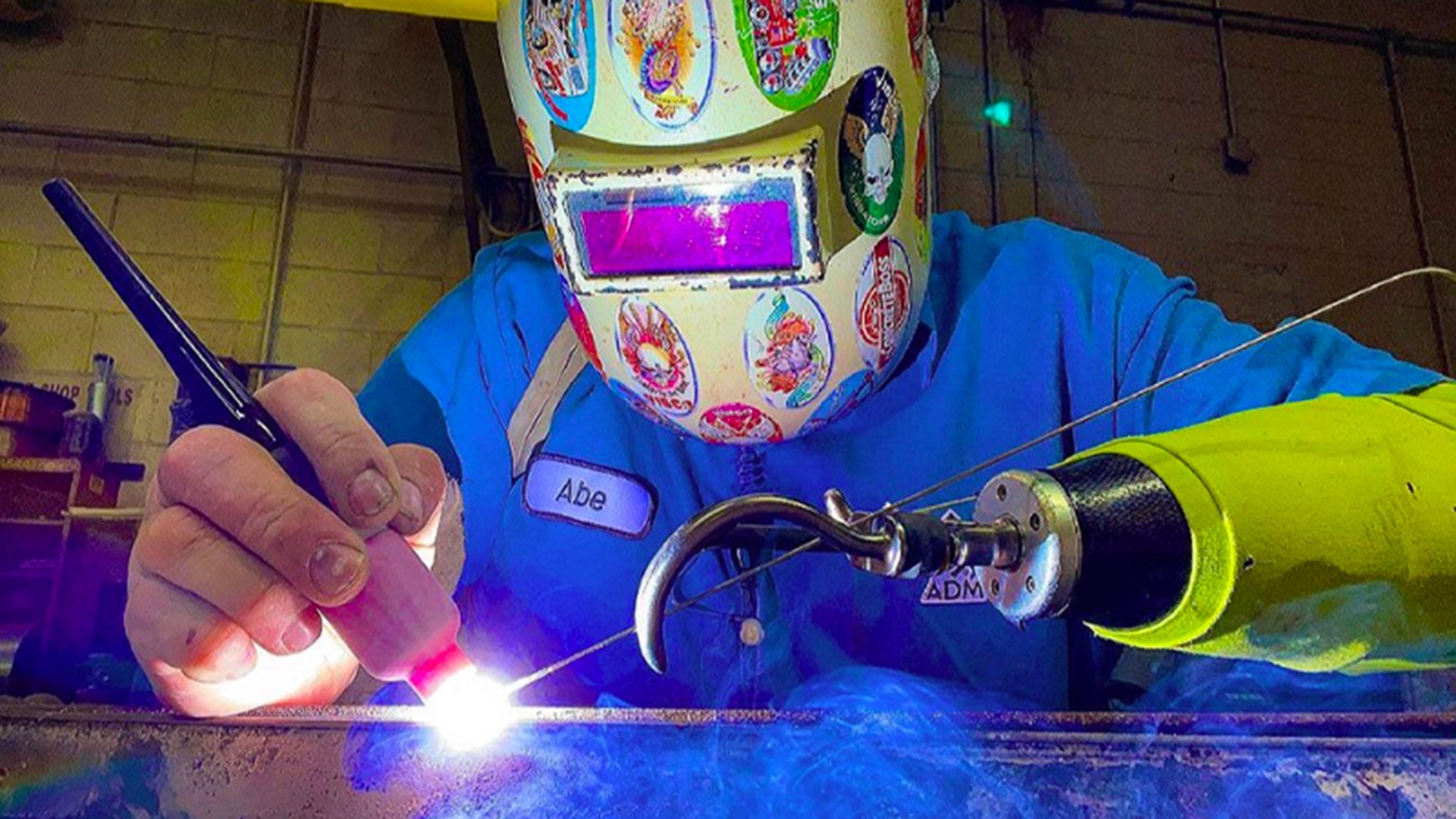
Abe uses a body-powered option for welding.

Who is there to support you on your journey, no matter who you want to inspire? Our clinical teams. Our prosthetists create devices that are functional, get you working on your goals and are aesthetically pleasing to you. Our clinical therapy specialists are there to teach our patients how to use their devices. We want anyone who is interested in this kind of holistic prosthetic care to please contact us.

If you’d like to comment, please do so below.

Subscribe!

No Comments Yet

Let us know what you think