
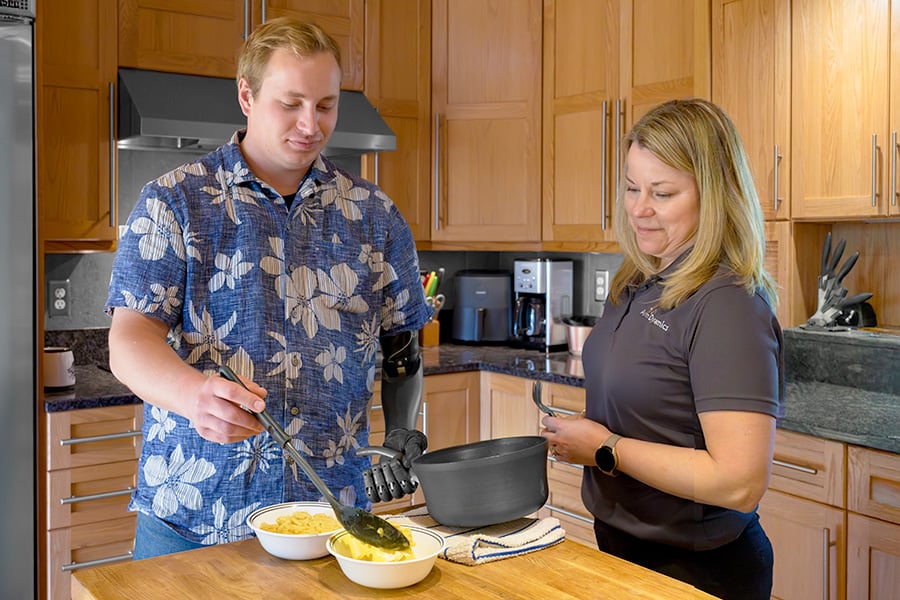
At each of our Arm Dynamics centers, we fit two different types of patients: patients with congenital absences and those with acquired amputations. People with congenital limb differences are born missing part or all of their hand, or part of their arm. People with acquired limb amputations have been injured in an accident or had a disease that caused them to lose a part of their hand or arm. While both types of limb loss are fit with the same type of prosthetic frame, socket and terminal devices, how they feel about their limb difference and how they approach wearing a prosthesis can be very different. For both populations, we want their devices to be functional and allow them to reach their goals.

Mac Lang, the prosthetist at our Northwest Center in Portland, OR, says, “The foundational principles for both types of patients are all the same. What we want for them is a secure, comfortable, stable fit that allows the person to use their device successfully. A common difference, though, is the presentation of the residual limb. For people with an acquired amputation, there may be scars, neuromas, or sensitivity issues that make the fit of a prosthesis more challenging. But creating a prosthesis that is well-balanced and will help our patient achieve their goals – that is the same for both types of limb differences.”

Some adults with congenital limb differences feel like they don’t need a device. While some have never worn a prosthesis, others were fit as a child and later decided they wanted to go without. While we respect and support everyone’s choice about what is best for their body, we do want to make sure people understand the risks of overusing their sound arm and hand. The world is built for people with two hands, and choosing not to use a prosthesis can lead to pain since their body is not symmetrical. We frequently see individuals with congenital limb absence that come to the realization that a prosthesis will improve much of the body pain they may be experiencing.

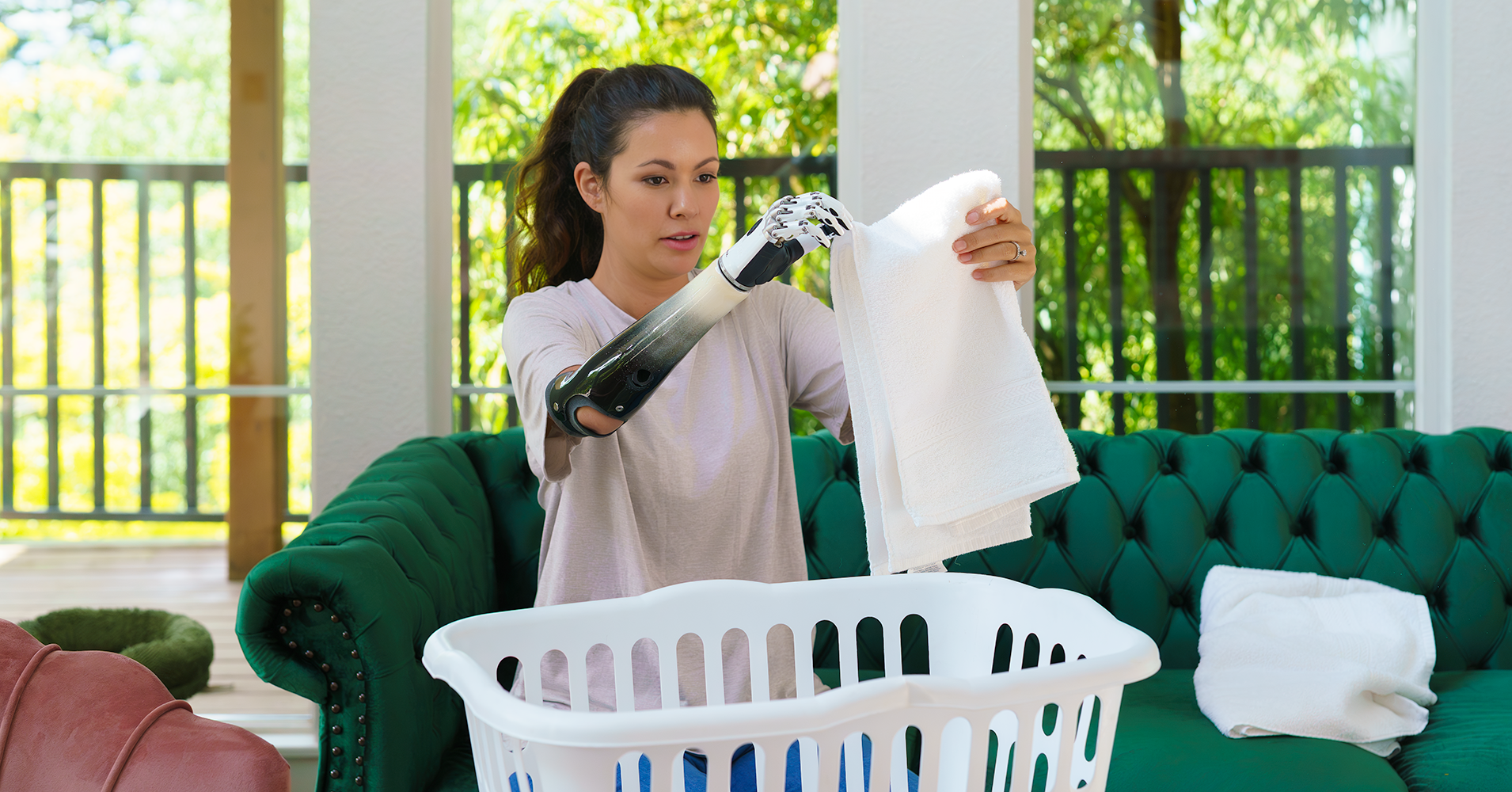
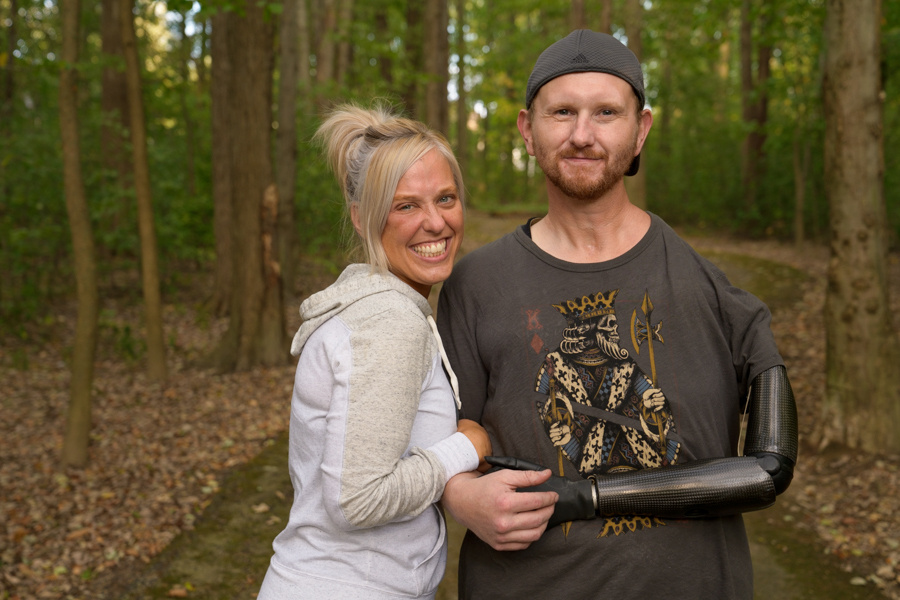
Shaholly-Laundry-Featured
As a child, our patient Shaholly wore a prosthesis that was created by a different prosthetic care provider, and she did not find it functional enough to continue wearing. As an adult, Shaholly was fit by us and wears a bebionic hand.

The emotional impact of acquired limb loss includes a lot of moving pieces and questions that have yet to be answered. "Can I go back to work? Will I ever learn how to use a prosthesis? Is it possible to find a 'new normal?'” Plenty of support is needed as they begin to heal and grieve what they have lost. Our centers offer many resources including the Wellness Inventory, which chronicles how people are coping with their loss. Using this tool, we can identify needed areas of support and connect our patients with services that can help them on their journey, such as peer support or counseling.

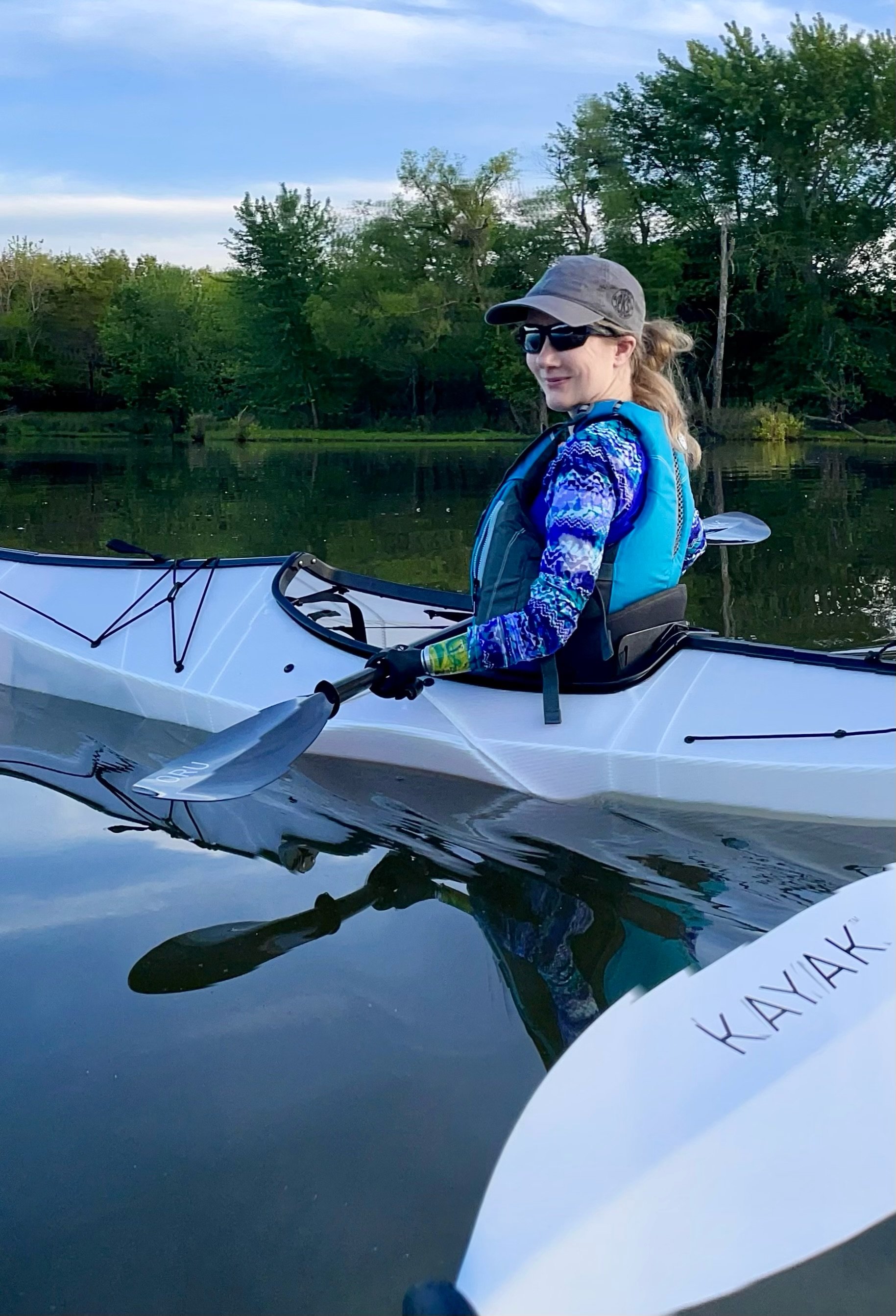
Speaking of peer support, for each of these populations it can be uplifting to see someone with a limb difference thrive. For people with congenital limb differences, hearing about someone like Karen (pictured below), who no longer wakes up with pain since she’s not overusing one side of her body, can be the inspiration a potential patient needs to contact us. She even goes kayaking with her activity-specific prosthesis!

IMG_1939

For people with traumatic limb differences, watching a bilateral amputee like our patient Gerry weld, use a skill saw, and drive a vehicle can be so encouraging. It may allow them to hope that someday they’ll get to a place where whatever goals they would like to achieve are possible. Peer support can also be helpful for someone trying to decide if they should have an elective amputation.

Having a defined set of goals can make it easier for both types of amputees to integrate a prosthesis into their life. Sometimes when a person with congenital limb difference comes into one of our centers, they have a very specific need in mind. “I want my prosthesis to allow me to lift weights” or "I’m tired of my hand being sore because I use it too much.” We can help identify which prosthetic device will best serve them and teach them how to use it to accomplish their goal. Sometimes, having one device will inspire them to get another, if possible, like Karen the kayaker we mentioned above who started with an i-Limb but learned that an activity-specific device would let her kayak. For people with traumatic limb differences, narrowing down goals can be harder. “I just want to get back to how my life was” is an overwhelming goal, but when broken down to smaller goals, it can allow our prosthetists and technicians to figure out how to best fit that patient.

Whether a person’s limb difference is congenital or traumatic, there are people who are comfortable identifying as “disabled”, and others who never use that word to describe themselves. Further evidence that regardless of the reasons why they have their limb difference, each person is an individual. Treating them as individuals is one of the reasons why our Arm Dynamics patients are so successful! What’s most important is the person. Knowing who they are and what their goals are. How can we support them and their families, while making their life easier or better? What can we do to help them with any frustrations that crop up, which can happen for people with both types of limb differences.

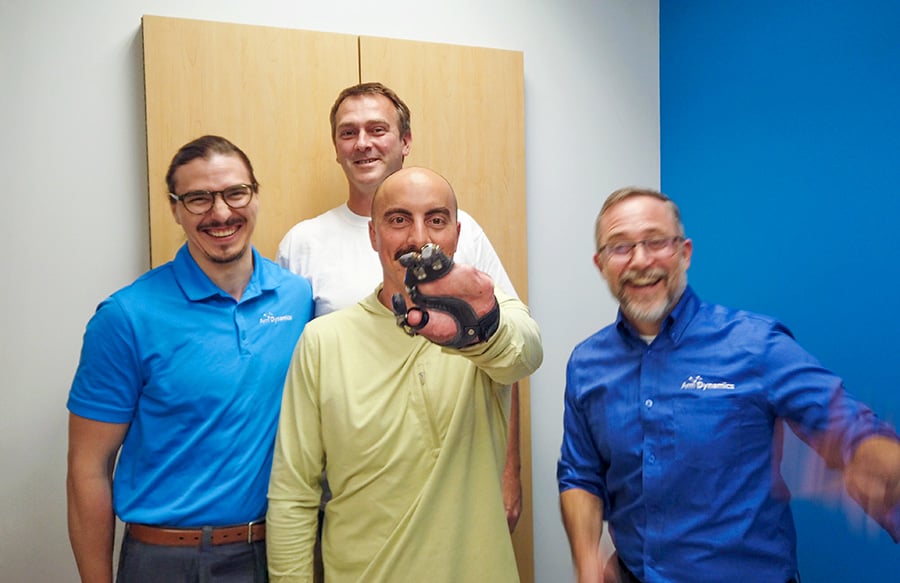
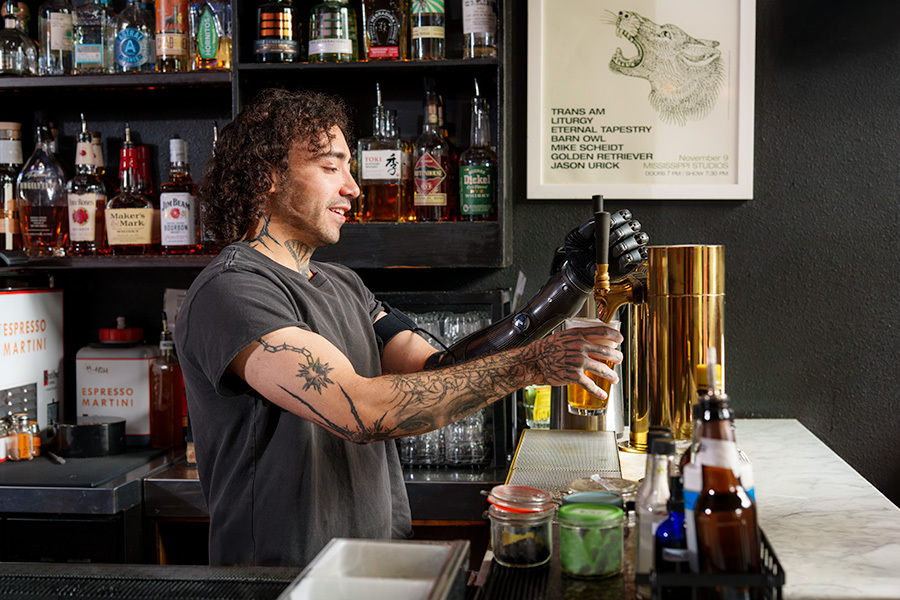
DJI_028V22
Our patient Spencer enjoys a good time with the team at our Portland center.

The answers to these questions are discovered over the course of our clinical team’s relationship with the patient, a relationship that we cultivate and support over the patient’s lifetime, with follow-up care and maintenance. If this sounds like the kind of prosthetic care you are interested in, please contact us. If you’d like to leave a comment, please do so below.

Subscribe!

No Comments Yet

Let us know what you think