

Note that the title has the word “best” but not the word “only.” There are many coping strategies out there for people to try after experiencing an upper limb loss. The saying “Time heals all wounds” is not 100 percent true – time can’t bring back an arm or a loved one we’ve lost. But as time passes, the pain and sorrow of loss begin to soften and feel less intense.Time can also bring us the opportunity to create a “new normal” with the use of a prosthesis. It can allow people with upper limb differences to get used to interacting with the world around them with one less finger, hand or arm.

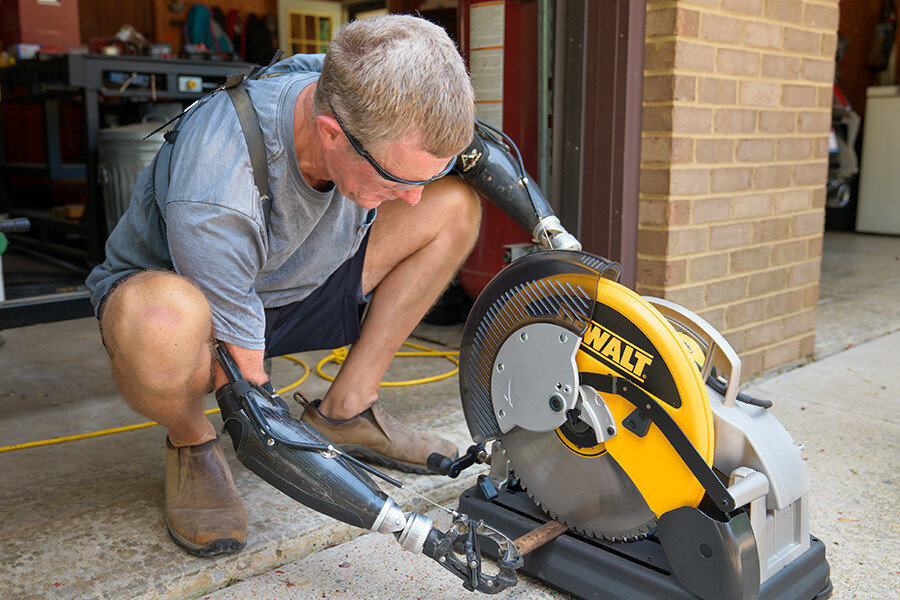
Our patient, Tom (pictured above), who lost his hand at 17: “I think from those initial stages of limb loss and that place you are right after it happens, I think time is a huge part of it. You can do many things to support yourself, but it takes time and interactions with others to not see yourself as diminished or missing something. You are still who you were before  it will be alright.”

The trouble is you can’t speed up time. But you can use it wisely. You can also look at examples of people who have similar amputation levels as you, or use similar terminal devices, and make goals for yourself, like, “That guy can use a skill saw – that’s what I want to be doing in a year."

GerrySawListing

In the wake of an amputation, it may feel like you’re entering a metaphorical tunnel. It’s dark in the tunnel and there are obstacles constantly. Tempers rise in the tunnel, and it’s easy to get frustrated. It feels hard to learn and adapt and grow when inside the tunnel. But – it is a tunnel. The tunnel ends, and the light comes back. No one can tell you how long that tunnel is – not your spouse, your family, your prosthetist or your therapist. But it is a tunnel.

So, what can you do to cope while you’re in the tunnel? You can take back control of your body by working out – many of our patients find that being able to start a workout routine or return to a gym gives them a sense of independence. Our patient Claudia: “Gettin' up in the morning and knowing I can just go into the gym and get my workout down — that's gonna change my outlook throughout the whole day.”

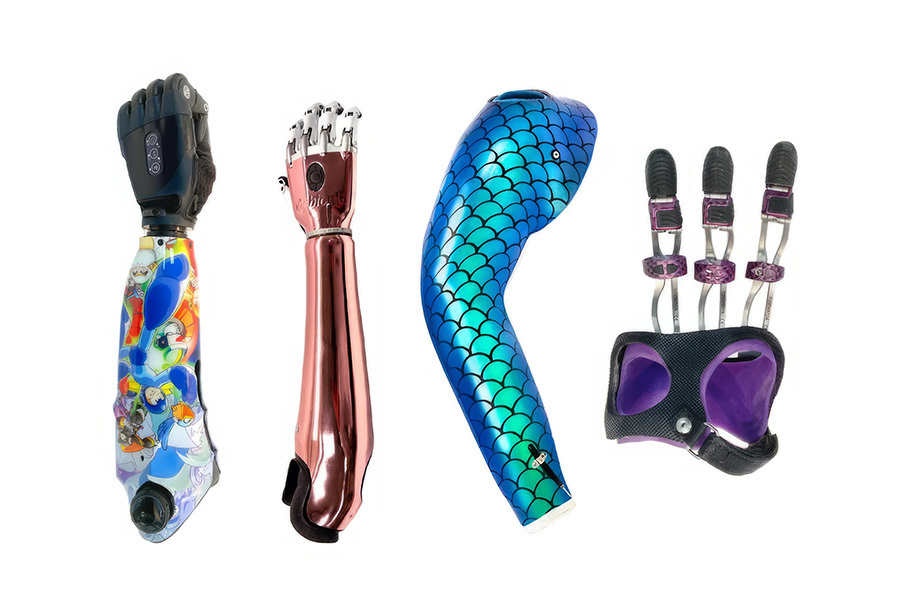
Another coping strategy is finding a purpose. That could be going back to work, starting a new job, or starting a rewarding hobby. For our patient Xavier, it was going back to work: “It is really hard in the beginning, when you get hurt. I mean, you go from having something to do every day, but then your life kind of just stops. A lot of times you lose hope, a lot of times you’re mentally broken down, and you don’t know where your life is going or what you’re going to do next.” But being able to return to his job: “My psychologist called it having a purpose. I was nervous at first, but when I went back to work, it really helped me mentally.” You can also collaborate with your prosthetist to help them make your prosthesis look the way you want it to look: having something that helps you day-to-day, and also looks exactly how you want – that option helps a lot of our patients to feel engaged and empowered.

PersonalizedPx-Listing

What else can be done? You can find joy. You can reframe your amputation to see it as more of a challenge than a dead end. You can receive peer support from others by watching their videos, talking on the phone with them or meeting in person. You can take care of your mental health. You can identify tasks that you would like to get back to doing and discuss your prosthetic needs with your prosthetic care provider. You can focus on one task at a time, getting really efficient at that undertaking before moving on again. You can tell yourself that you are on a journey.

In the words of comedian Gary Gulman, “If you’re scared about something you’ve never done before, say this: ‘I’ll figure it out.’ Then remind yourself of everything you’ve figured out so far.”

ToolWorker-Listing

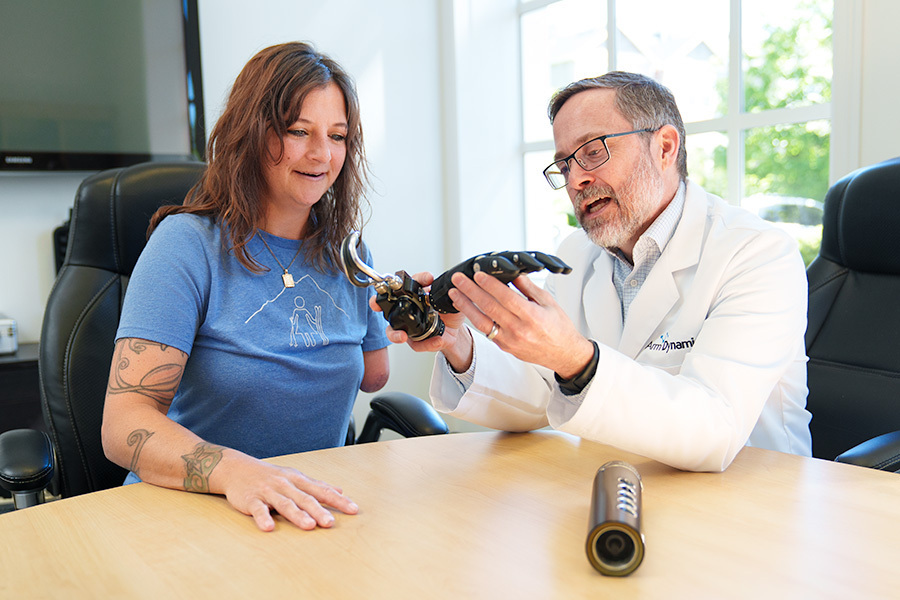
When you become an Arm Dynamics patient, you are choosing us to be a partner on your journey. Why are we a great partner? Because we’re specialists. Our whole world is focused on people with upper limb loss. We work every day at supporting our patients who are on this exact journey. We are not just here to create a prosthesis that is comfortable, functional and visually pleasing, nor are we just here to help our patients learn how to use their prostheses. We’re here to offer support for their mental health, their families, their careers and hobbies, with the focus on getting them back to their desired level of function.

If you are interested in learning more about the holistic prosthetic care we offer, please contact us. If you’d like to leave a comment, please do so below.

Subscribe!

No Comments Yet

Let us know what you think