
The amputation of upper or lower limbs is often seen as the last resort. Many doctors think of it as only necessary if every other avenue has been explored – therapy, surgery, chemotherapy. For some of our patients, if there is a possibility their limb or extremity (like a finger or fingers) can be saved, the physicians will try their best to save it. In many ways, this makes sense. Limbs cannot regrow, so it’s a good idea to try to save what a person was born with.

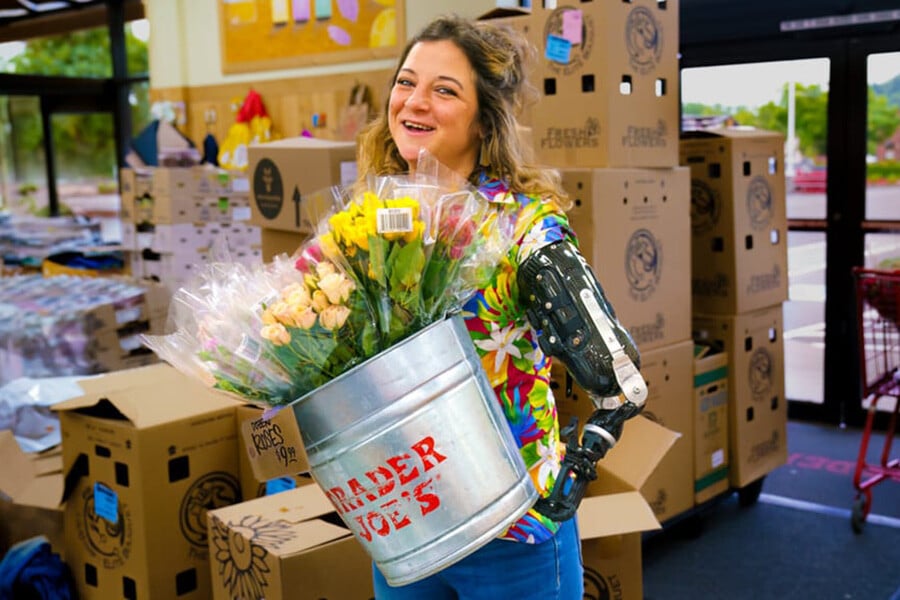
But sometimes, this can go beyond the point of what may work for the patient. We’ve had several patients who have kept a nonfunctional arm or hand for years because that was the advice from their medical team. Our patient Wendi spent 12 years with an unusable left arm and hand after she shattered her elbow while snowboarding. She had agonizing pain, 19 surgeries and, after an elbow replacement, had to endure the awful sensation of feeling her artificial elbow break apart inside her arm. At that point, she’d had enough and told her doctor she was going to pursue an elective amputation. As Wendi puts it, “The loss of my arm was the gain of my life.” Her fellow patient Marc has a similar story in that after a work-related accident that injured his elbow, it took years and many surgeries before he met with physicians at Mayo Clinic who leveled with Marc that his elbow was unfixable and that an amputation was his best bet. Since undergoing the amputation and being fitted with a prosthesis by Arm Dynamics, Marc has been living a much better life.

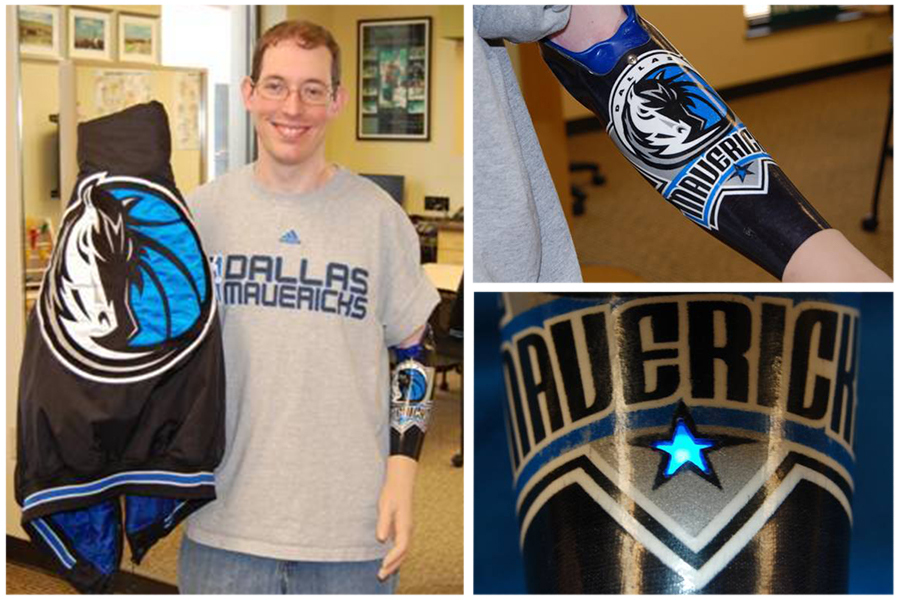
This can also be the case for people with congenital limb differences. Our patient Darren was born with an arteriovenous malformation in his hand, which caused both pain and limited function. After enduring years of pain and eight surgeries, he chose to have an elective amputation. Darren was very pleased with his decision, “Honestly, I wish I had done the amputation sooner. When I did have it done, I was in and out of the hospital the same day.” Wesley also came to the decision to have his hand amputated – when he was an infant he had a stroke that left his hand in a permanent clenched position. The pain grew worse as the years went on and surgeries didn’t help. Once he had his amputation, he was able to have a functional prosthetic hand with the bonus of showing off his favorite sports team!

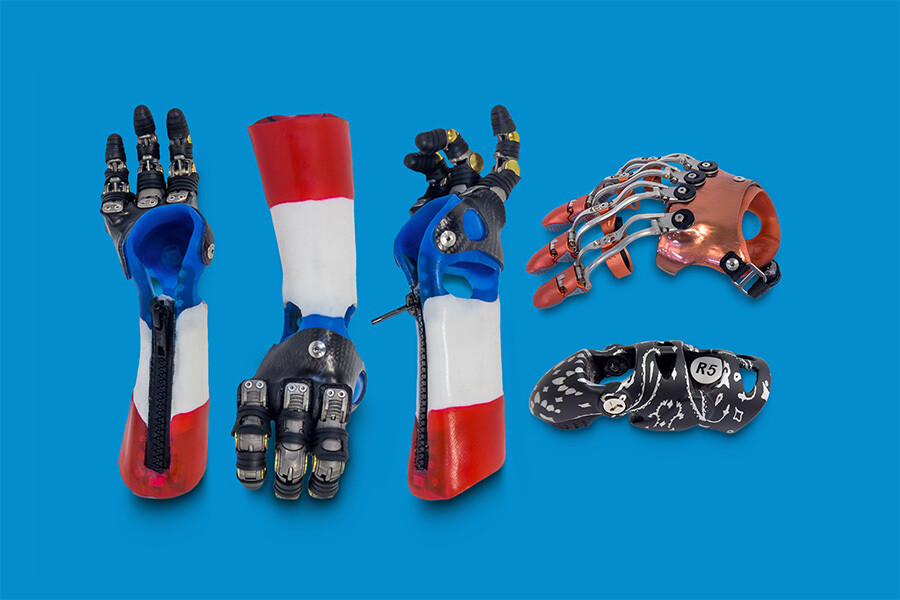
Weslery Thompson Prosthesis

There are also success stories from the other side, of course. Surgeries do sometimes allow people to regain function and lessen their pain. But when can someone make that decision to call it and elect to have an amputation? When is enough, enough? It’s different for everyone, but when we speak with our patients who have had an elective amputation, nearly all of them say exactly what Darren told us: “I wish I had done it sooner.”

This is where speaking with a peer can be extremely helpful. What was their tipping point? Can they think of an earlier time in their life where it would have been better had they done it then? What advice do they have for others who are in the situation they were in?

For people who have a traumatic limb injury and wake up in a hospital bed missing a limb, there is still a choice of whether or not to see that as a failure. Life with limb loss is challenging, there is no question about that. But choosing to use a prosthesis can greatly reduce the challenge, while restoring your independence and your ability to live an active life, often including a return to work. Regaining independence can do a lot to change ones' perspective over time.

Wendi69

Doctors may sometimes assume what their patients want. Most of their patients want to keep their body as “whole” as possible and look like they did before their injury. That may be how a doctor approaches your case. That is a standard way of thinking. Those assumptions are for everybody. But you are not everybody. You are you. You have your own story and your own life and your own idea of what that life should look like. YouTuber Kristie Sita (@kristieandmatthew) was involved in a boating accident at 16 years old that took her hand. In her video describing the day she lost her hand, she speaks about how her hand was retrieved, so reattachment was a possibility. During the long helicopter flight to the hospital, Kristi told the care team she was a dancer and she didn’t want this injury to hold her back. Kristi isn’t sure, but it seems to her that giving her care team that information about her career goals was pivotal to the decision that was made by surgeons of not trying to reattach her hand – the likelihood that she would be able to continue to have a functional hand was low. Kristi went on to become a professional dancer.

As humans, most of us put a lot of effort into not looking or acting too differently from others. We are also very attached to how our bodies look and are not so keen on the idea of them changing. So, we make decisions based on those factors. But when other people make those decisions for us based on what they assume we want to look like, without considering quality of life, functionality, or goals; that patient may suffer unnecessarily.

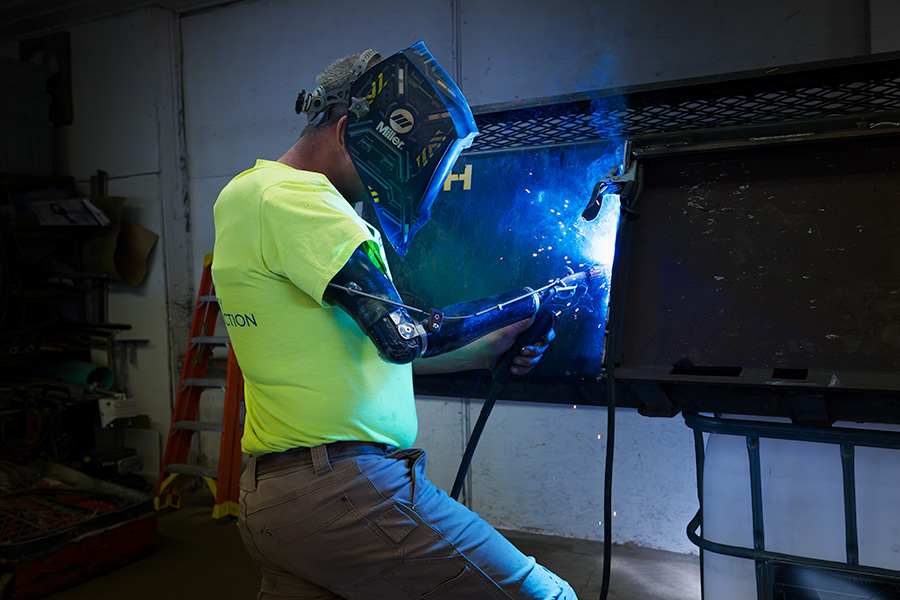
When our Arm Dynamics prosthetists are able to speak with doctors about amputations, the goal is to show the physicians how positive amputations can be  elective or not. When someone can be fit quickly with a functional, comfortable device that looks just how the patient wants it to look, it can be life changing. Accidents happen. Disease happens. Congenital differences happen. What do we do with the information we have, the stories we have from others, the knowledge of who we are and what makes up our core selves – that’s where control comes back in.

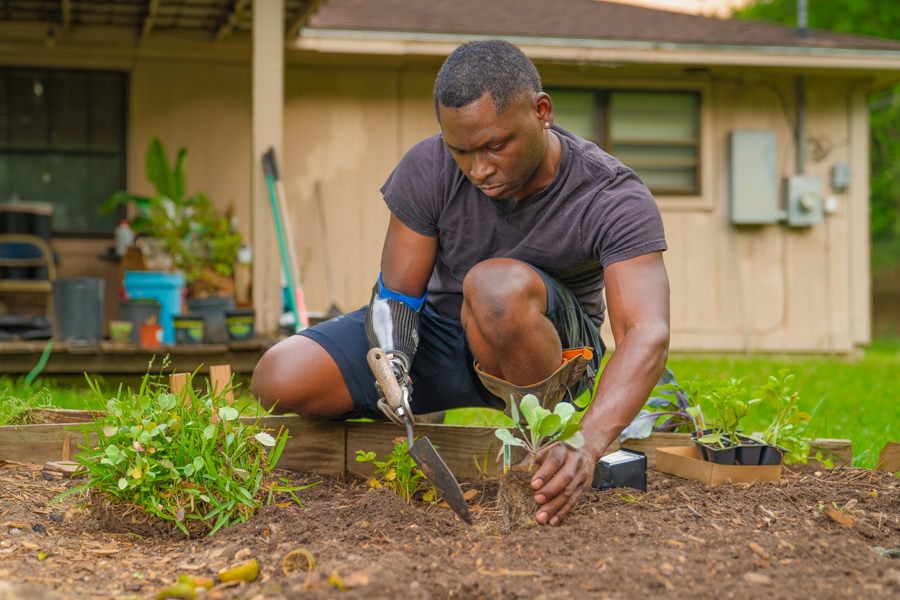
Xavier Collier working in the garden

This is why we spend so much of our time listening to our patients. Does it make the process faster? Short answer, no but does it make the process better? Yes. It can make the process faster because we are more often able to fit people with what they need and want the first time, instead of creating something that doesn't work for them. Figuring out how to best serve our patients is the only way to go, in our opinion. It’s what makes it possible for our patients, like Marc, to tell us things like this: “After all my surgeries and then my amputation, I will never be back to 100%, but with my prosthesis, this is as close as I'll ever get, and I'm 100% happy.”

Once someone becomes our patient, their goals are our goals. Our prosthetists want to fit them with the prosthesis that works best, and our therapists want to teach them how to use it. The whole team wants to support them in any way possible. When we call what we do holistic prosthetic care it’s not just about the patient and their whole body and mind – it’s holistic in that it’s all of us, each team member, contributing to get that person to where they also may be able to one day say, “I’m 100% happy.”

If you or someone you know would like to learn more about our prosthetic care, please contact us. You are also welcome to leave a comment below.

Subscribe!

No Comments Yet

Let us know what you think