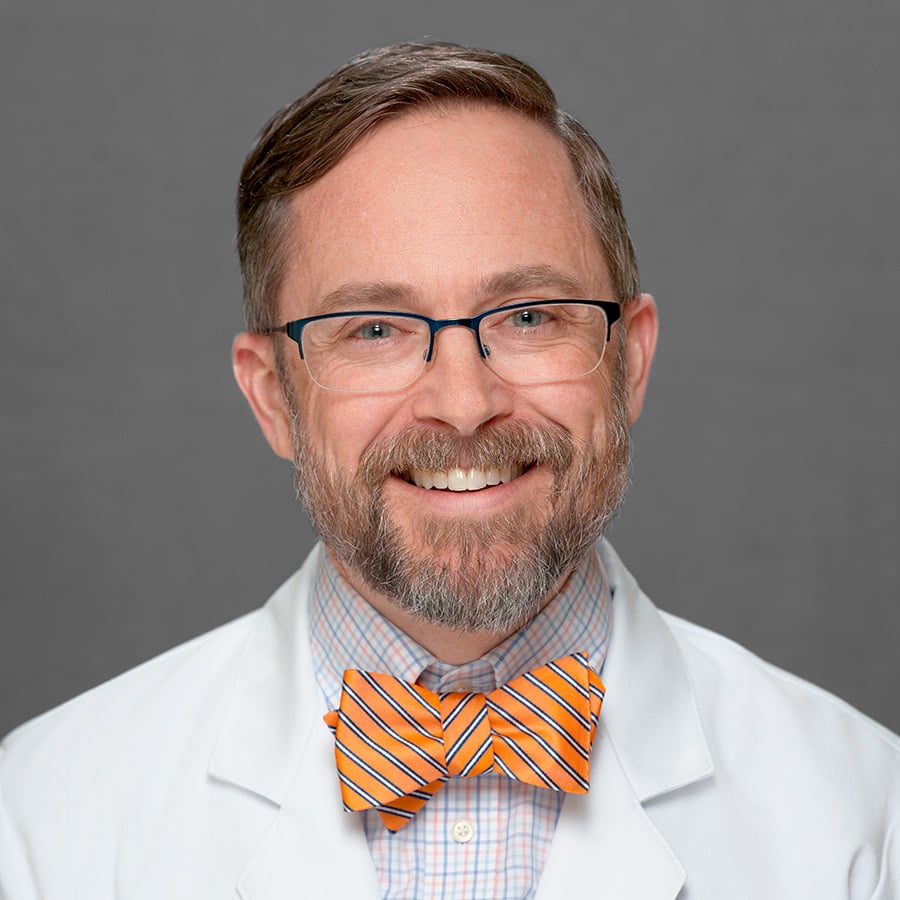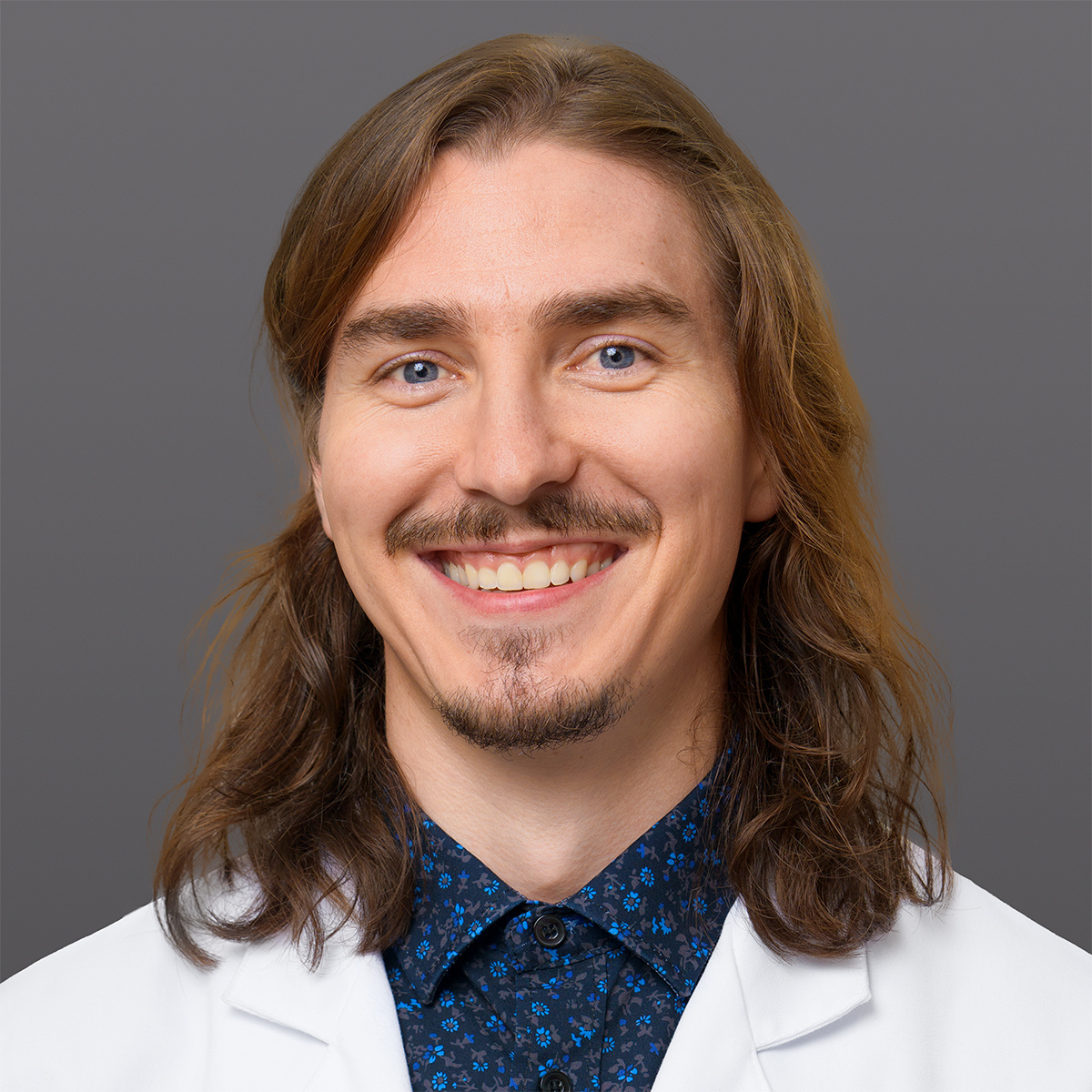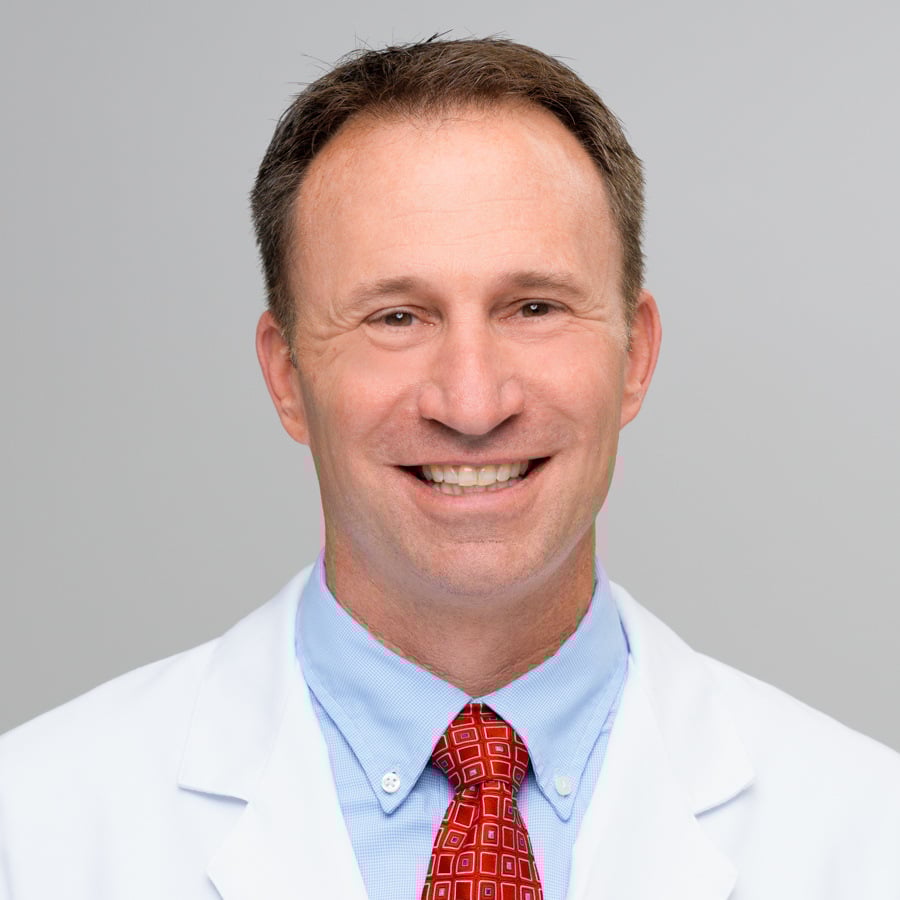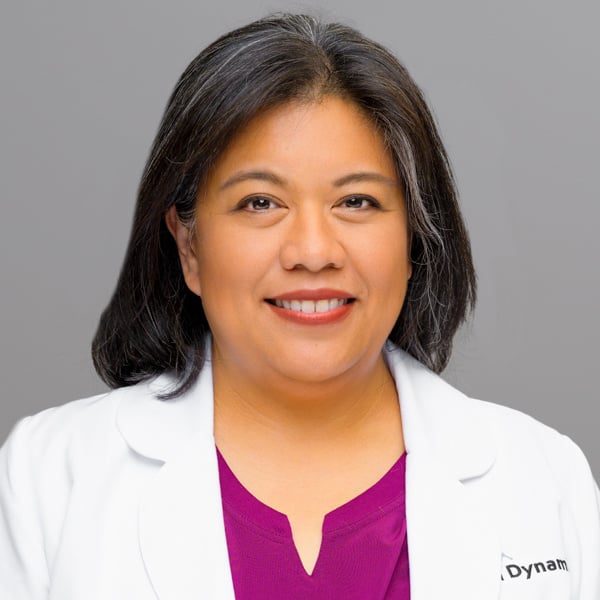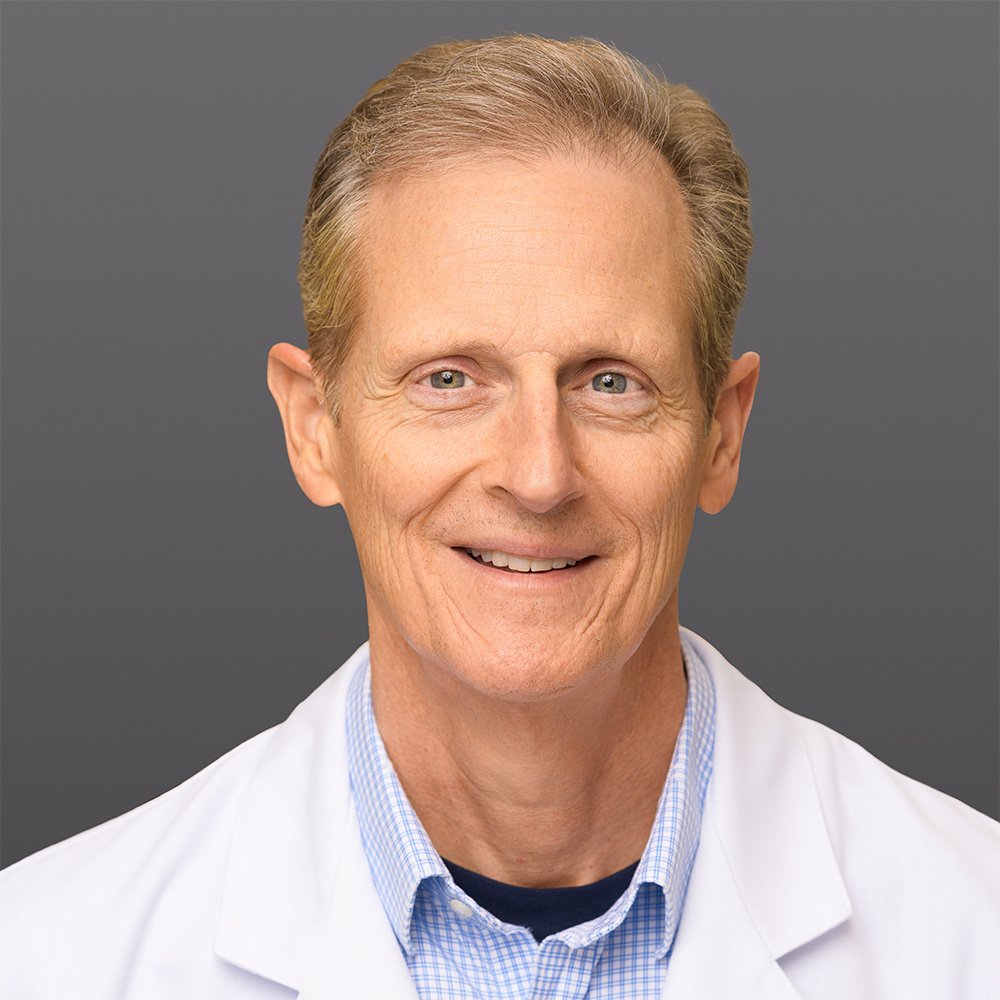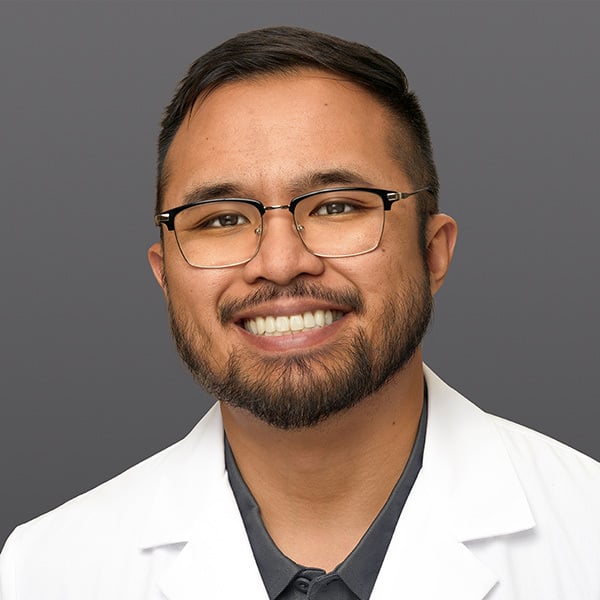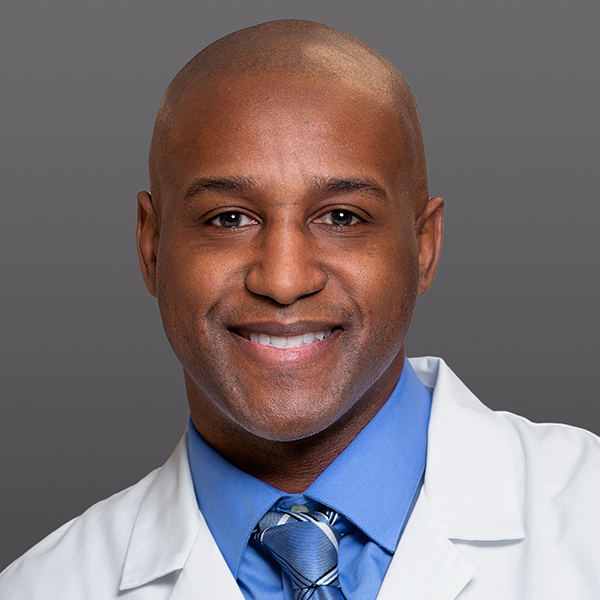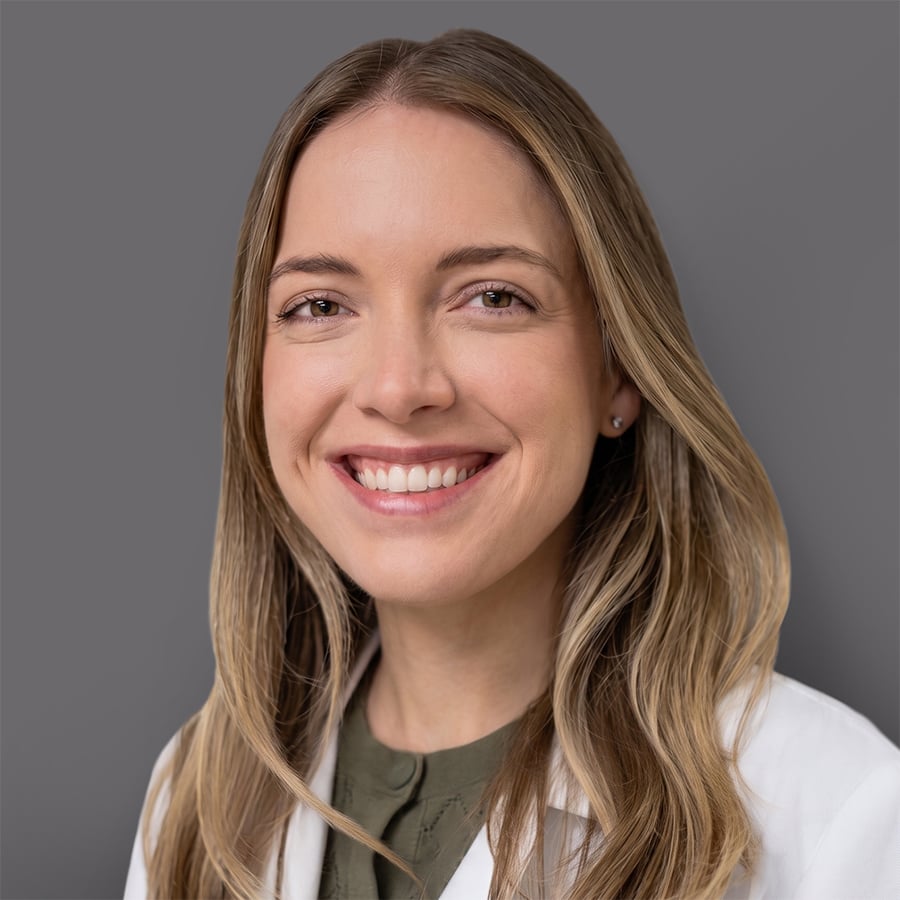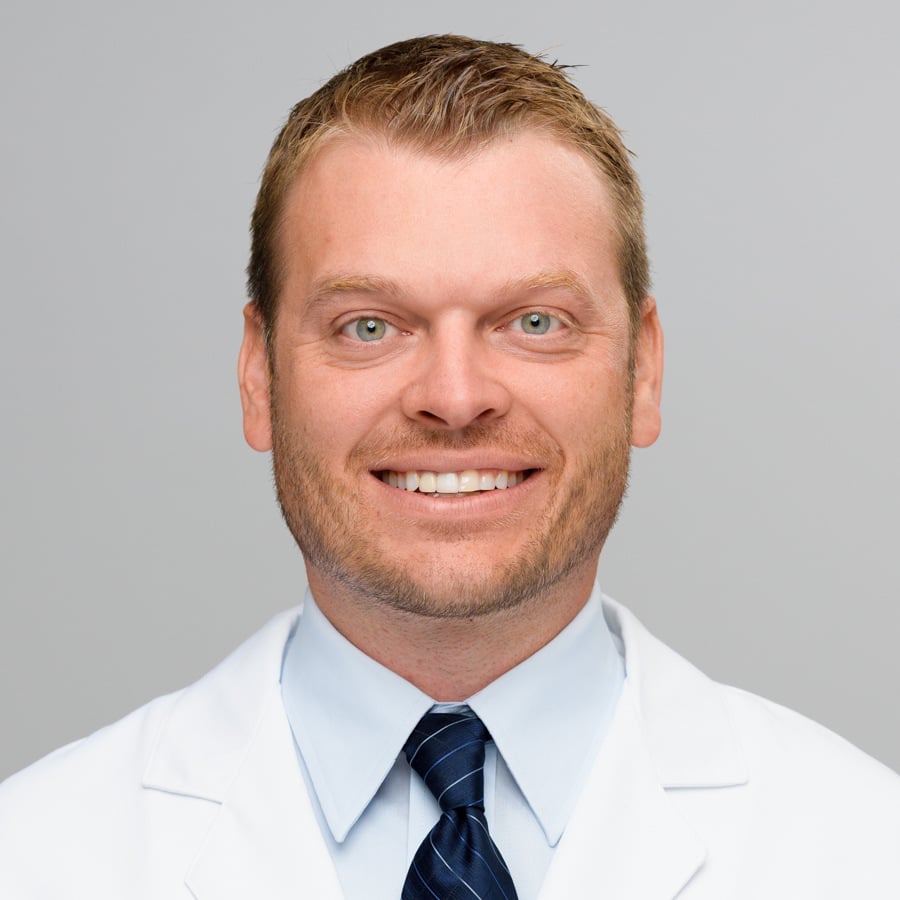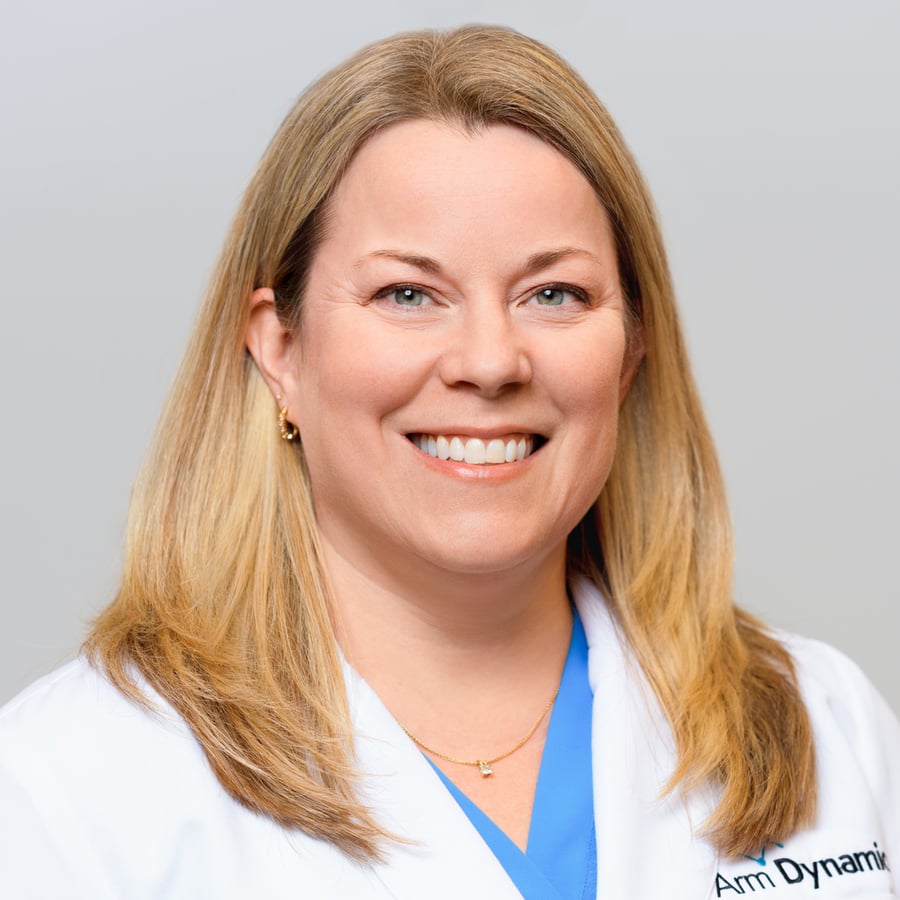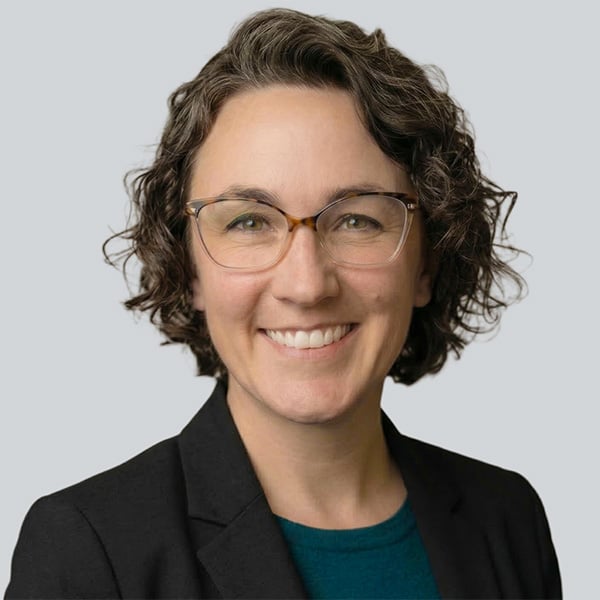

Happy Occupational Therapy Month! In past years, we’ve celebrated with articles highlighting why we have occupational therapists as part of our Arm Dynamics team, what makes our OTs unique, how our OTs work with patients in real world settings to practice using their prostheses in daily life, and learn about our OTs favorite adaptive tools.

This year we spoke with them about their roles. We asked them a range of questions, including what they want the general public to know about the work they do.

The most pressing thing they would like people to know? That the “occupational” in their job title has nothing to do with work. From Lauren, our OT in Kansas City, KS: “In our case, ‘occupation’ is a clinical term that refers to everyday activities that give life meaning, such as self-care, daily tasks, social interactions, hobbies and work.” Our Houston OT, Tim, adds: “It’s about helping people live their lives more independently. That can include everyday things like getting dressed, cooking, driving, or returning to work, but it can also include routines, and roles that give someone a sense of identity.” From Carina, our OT in Dallas: “Occupational therapy is one of those professions that people don't know about until they need it, much like prosthetics. To borrow from the American Occupational Therapy Association’s website ‘OTs enable people of all ages to participate in daily living.’ Very broad, but what it boils down to is what are the gaps preventing you from doing the things you want and need to do, and what can an OT do to help you get there. For example, a kid may receive occupational therapy at home because they’re not meeting development milestones, so an OT may help with motor skills. If you've just had back surgery, occupational therapy can help you learn the skills needed for self-care, as well as strengthening and endurance. In our case, working with patients who have upper limb differences, occupational therapy can help you learn how to incorporate your device into various activities, make recommendations for adapting the task or the environment, or, even before the prosthetic rehabilitation process begins, we can help manage edema (swelling) or improve range of motion.”

Koger-Carina-Featured
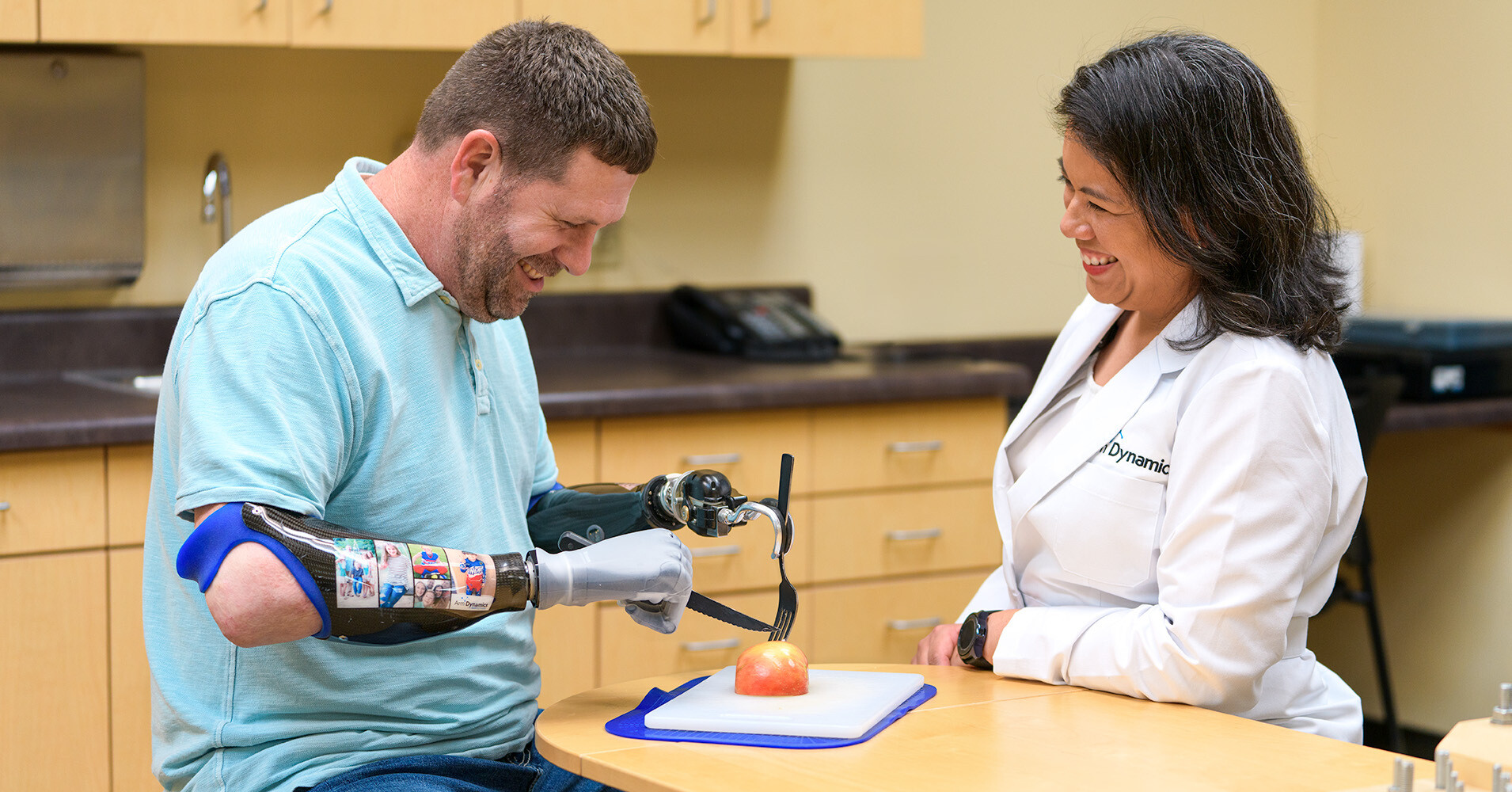
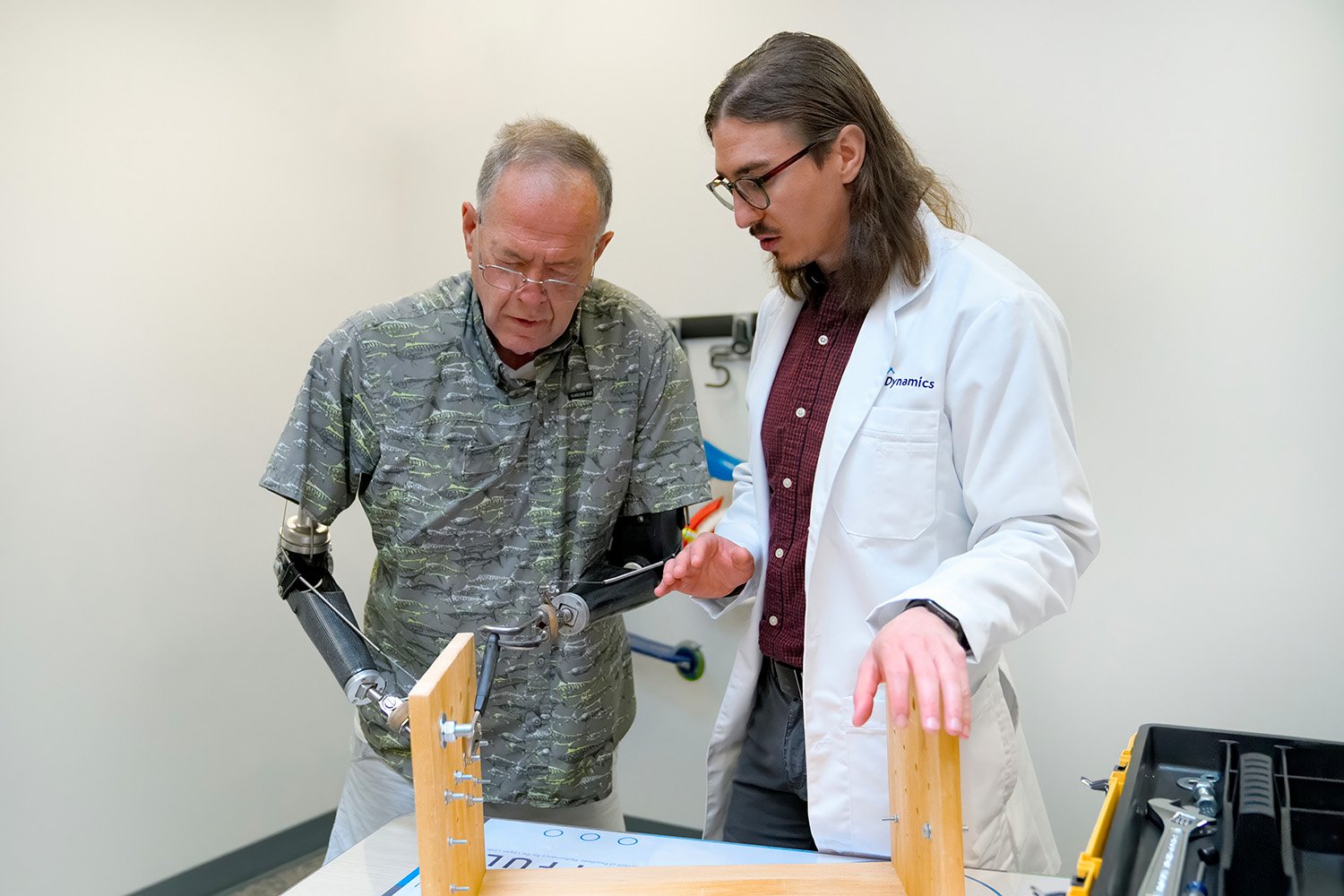
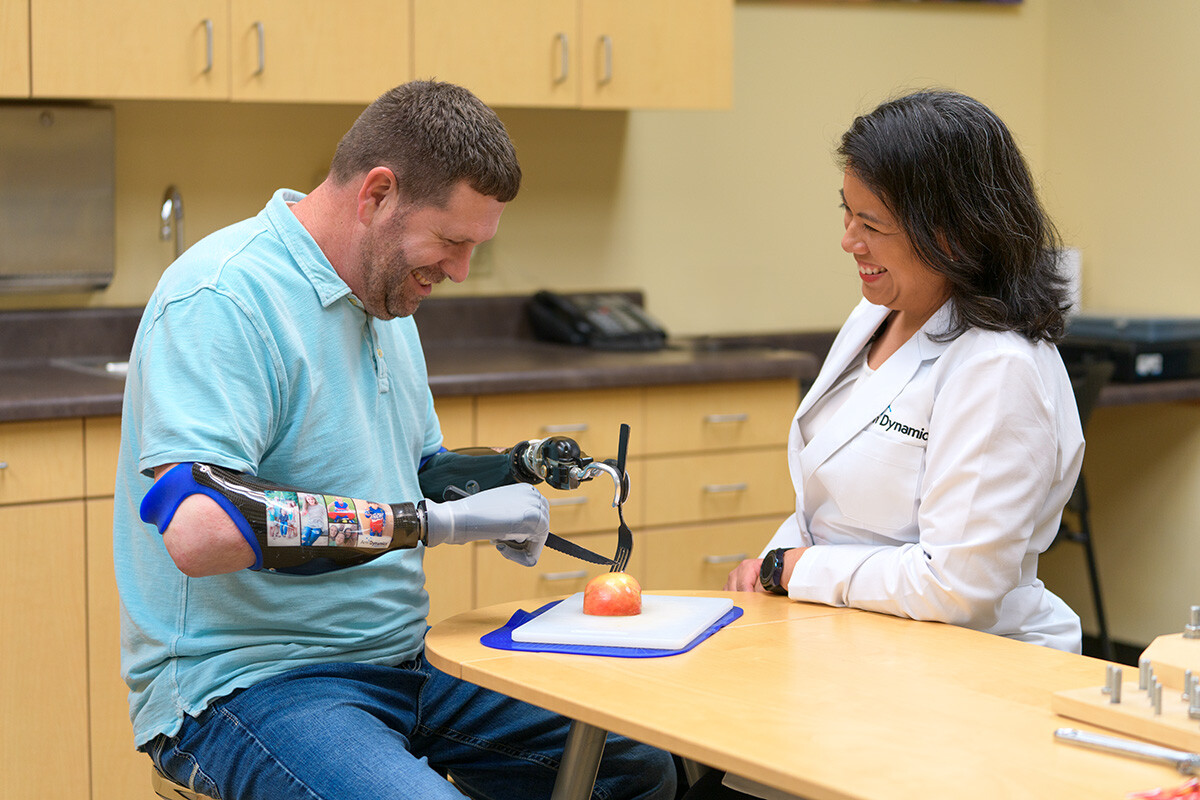
Carina working with her patient on cutting.

How do our OTs celebrate their month? Succinctly, from Jamison, our OT in Portland, OR: “Occupational Therapy month is a valuable time to improve, reignite, or continue enhancing how we help our patients perform in life.” More from Tim: “OT Month is one of those times where I try to slow down a bit and really take in the impact of the work we do. In the day to day, it is easy to stay focused on schedules, documentation, and the next patient. This month gives me a chance to reflect on the bigger picture. I find myself thinking about the small wins that actually mean everything, like a patient being able to button a shirt again, cook a meal, or feel confident using their prosthesis in public. I also like to use this time to share more about occupational therapy with others. Whether that is through teaching, conversations, or just showing what a typical session looks like, it helps people understand what we do and why it matters. It is a reminder that our work goes far beyond the clinical setting.”

Jamie and Doug
Jamie working with his patient who recently upgraded his prostheses.

What is it that makes occupational therapy so important that each of our centers has a full-time OT on their clinical team? Lauren, again: “Occupational therapy is the bridge between medical or physical recovery and returning to a fulfilling, meaningful life. We often do this by thinking outside the box, adapting tools and/or the environment to ensure that physical, mental or age-related challenges don't stand in the way of daily life. We are trained to apply this type of problem-solving to any task, for any age, in any situation. In prosthetic rehabilitation, we are that bridge for upper limb amputees we train them to integrate their prostheses into everyday life and also create adaptations or modifications to items, tools and the environment to help them achieve a new normal, independent and fulfilling life.” Tim adds: “In my work, I often help individuals adjust after limb loss and learn how to use a prosthesis in real-life situations. It is not just about the device itself, but about building confidence, developing new skills, and figuring out how to navigate daily life again. At its core, occupational therapy is about meeting people where they are and helping them move forward. It is practical, it is personal, and it is centered around what matters most to each individual.”

Lauren Trent - Clinical Profile-thumb
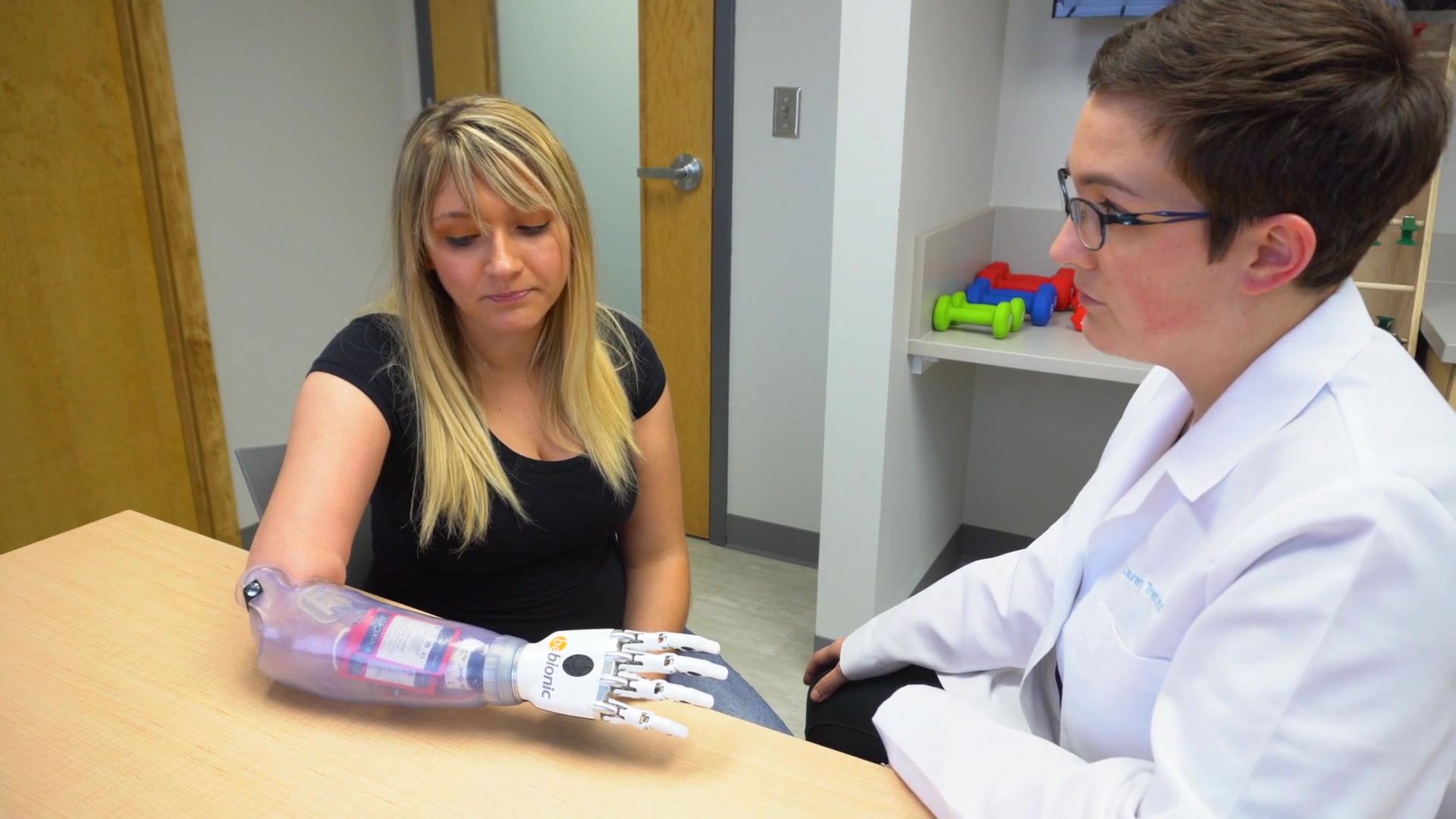
Lauren helping a patient learn how to switch between grasp patterns on her myoelectric arm

What is it that our OTs value about their roles? We asked Becky, our OT at the Maple Grove, MN, center: “My patients often say that the OTs who have helped them have been the most influential of their medical providers, especially with encouraging them to return to function with daily tasks. Helping them return to independence is one of the most rewarding goals.” Jamison agrees: “As an occupational therapist, I value helping our patients engage in life and its many wondrous activities.”

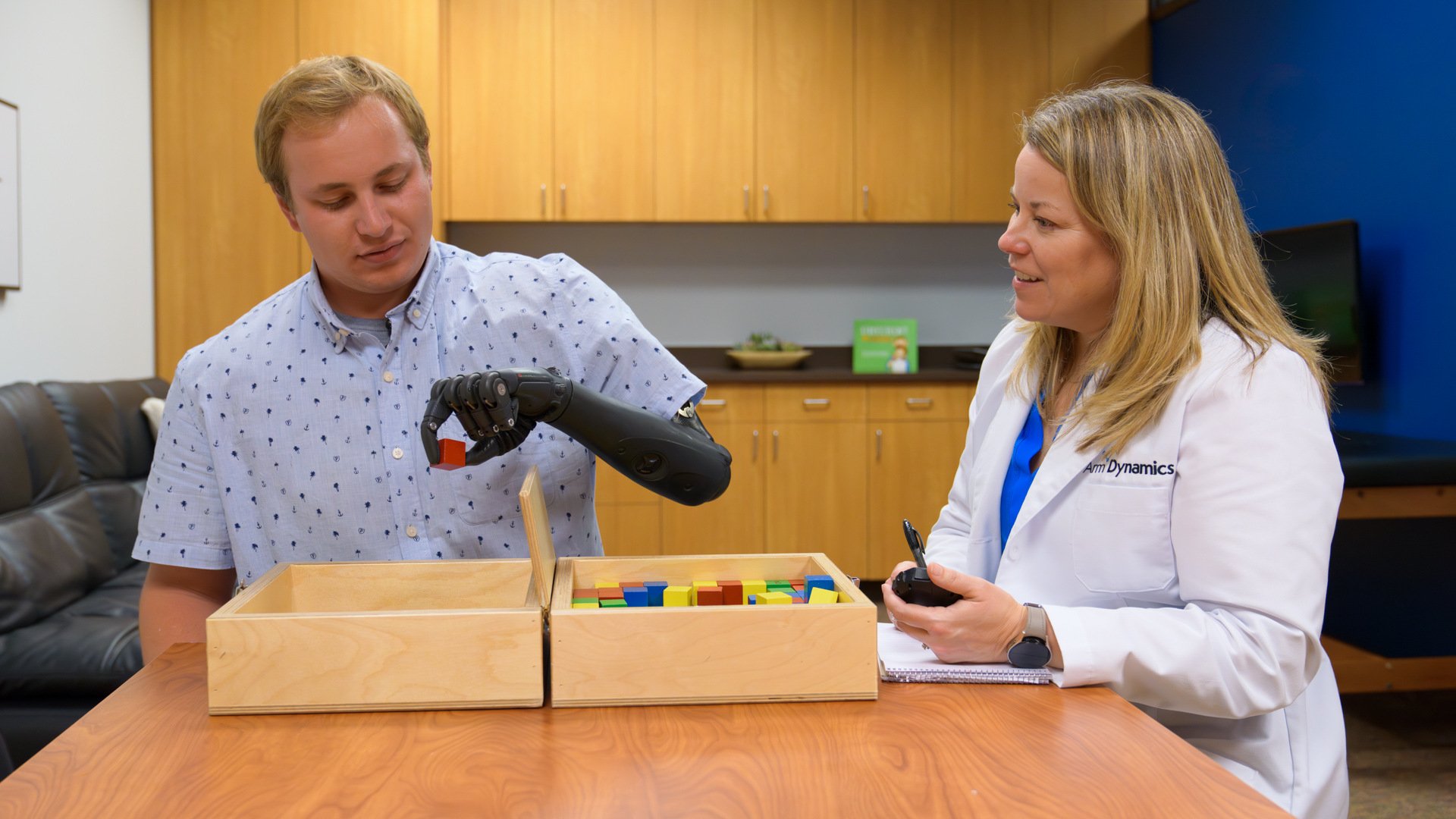
Clinical Therapy Specialist Becky Park works with a high-level transhumeral patient on outcome measures testing
Becky working with Peter on outcome measures tests.

Lastly, how would our occupational therapists like to be celebrated this month? Tim had some thoughts: “What means the most is feeling seen and understood. A simple thank you from a patient or hearing that something we worked on made a difference in their daily life goes a long way. At the end of the day, seeing our patients succeed is the best kind of celebration.”

OurPatients-Listing
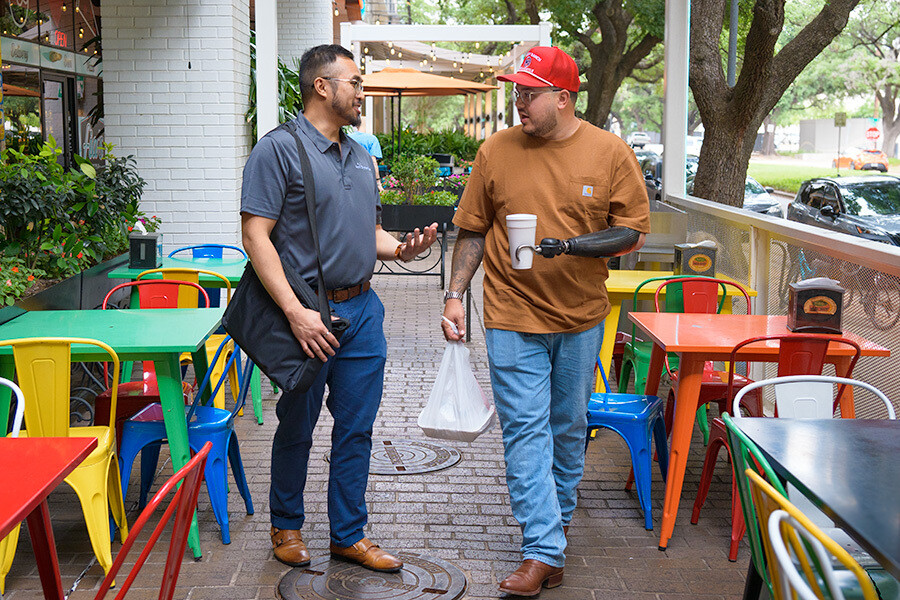
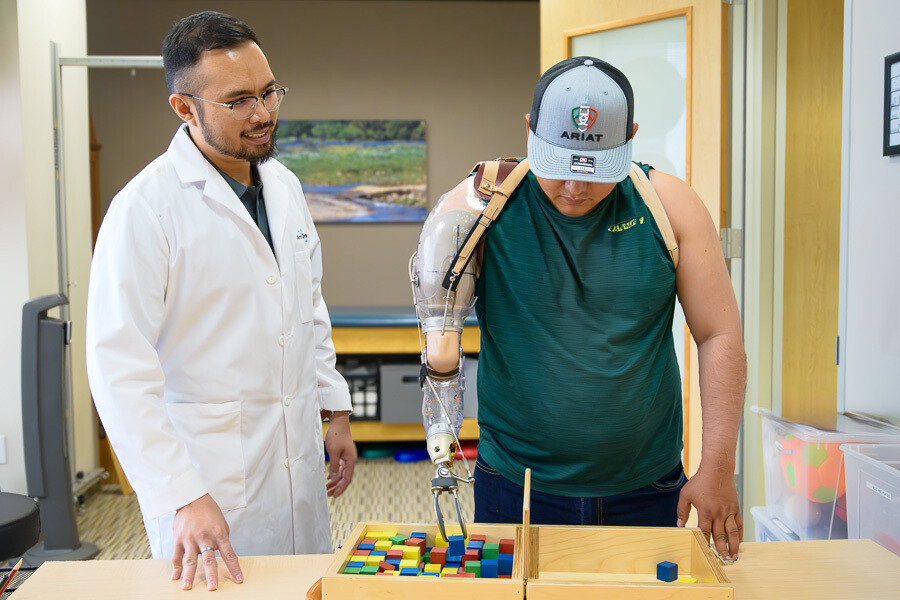
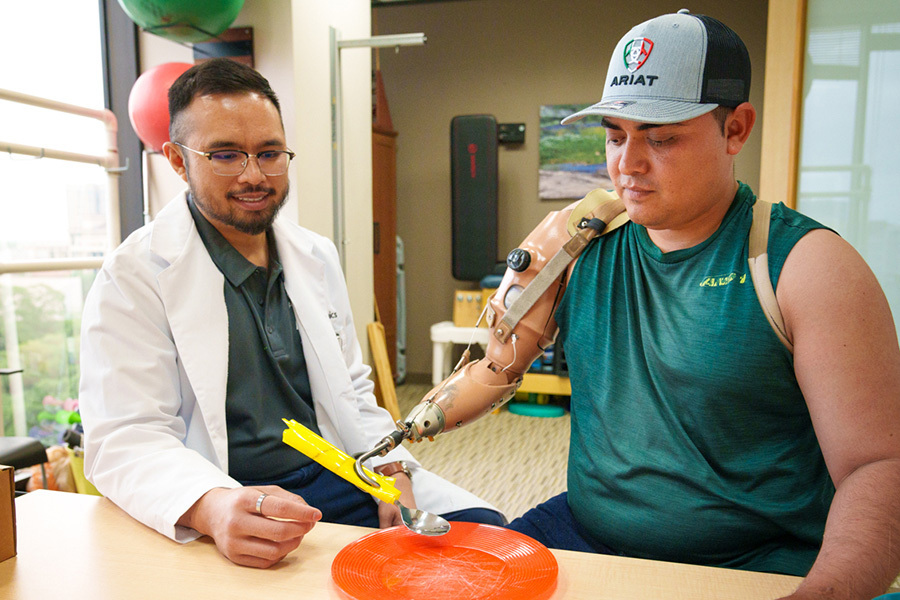
Tim out and about with one of his patients.

We see you, Tim, Carina, Lauren, Jamison and Becky! Without each of you, our Arm Dynamics team would not be able to provide specialized upper limb prosthetic rehabilitation. We hope our OTs feel valued every day and know that we recognize the knowledge and care they provide to each patient.

If you or a loved one could benefit from this kind of holistic, therapy-forward upper limb prosthetic care, please contact us. If you’d like to leave a comment, especially for one of our OTs, please do so below.

Subscribe!

No Comments Yet

Let us know what you think