

Here is something we get asked quite a bit: if all prosthetic care providers fit people with the same prosthetic devices, why can’t I just go to my local provider? The truth is that, yes, most of the prosthetic devices we fit our patients with include components made by manufacturing companies and are available to all prosthetic providers. These parts are used in the fabrication of a prosthesis and so, on paper, devices produced by different prosthetic care providers are very similar. So then, if everyone carries the same devices, why can’t you just go anywhere?

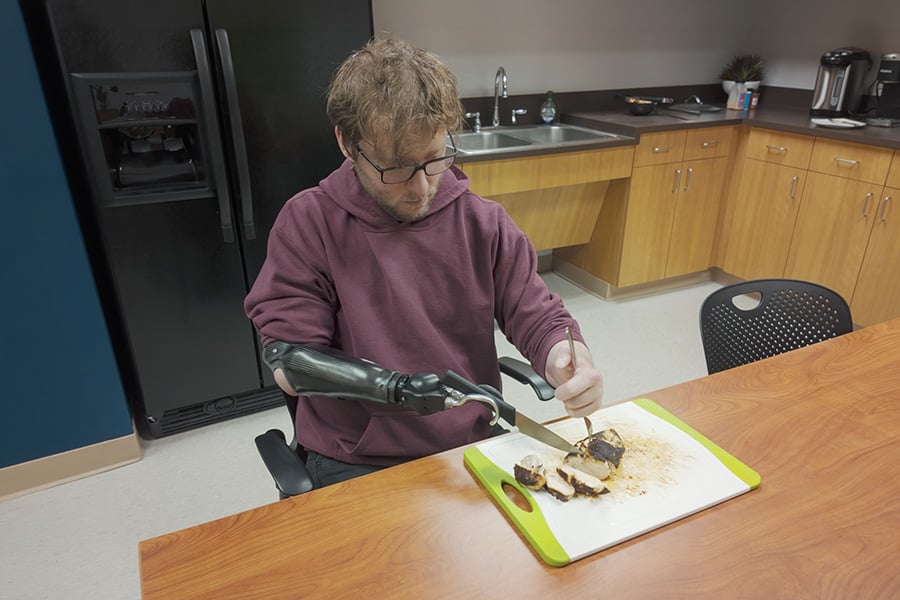
Unfortunately, some of our patients have had to find out the hard way that while the ingredients may be the same, the secret recipe (the prosthetic care) is not. Our patient Chris lives in Fargo, ND. After his amputation, he was told, essentially, the above. “The prosthetic company I spoke to when I was in the hospital [after his workplace accident] told me all places use the same parts. I ended up going with a place that’s close to me, because if they use the same parts, what’s the difference? Found out the hard way that the place you go to is all the difference.”

Why? Because Chris’ local prosthetic center didn’t have the experience or specialty needed to create a comfortable, well-fitting upper limb prosthesis. Upper limb differences and amputations only account for about 10% of all limb differences. So other prosthetic care providers have most of their experience in lower limb prostheses. As a numbers game, it makes sense.

Christopher-Listing
Our patient Chris.

Only you are not a number. You are a person who needs upper limb prosthetic care from a place that guarantees every member of the clinical team is an upper limb specialist. Other centers may have one upper limb specialist for a wide, multi-state area, who has to fly in to see you, or your prosthesis has to be flown out to get to them.

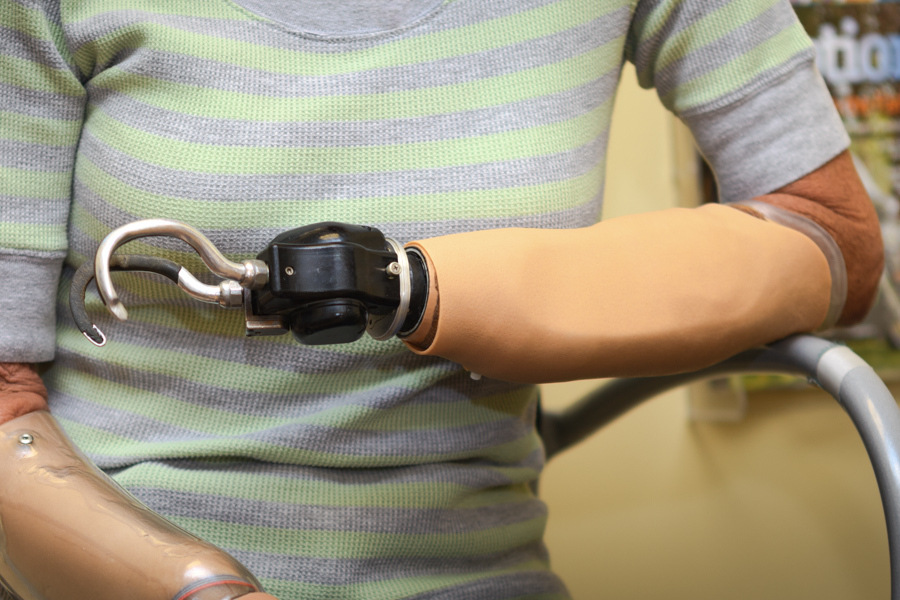
Each of our Arm Dynamics centers has a dedicated, on-site prosthetist who is an upper limb specialist. Yes, we do use the same parts as other providers. Chris was fit with an ETD – had Chris come to us first, we also would likely have fit him with an ETD, because Chris wanted something durable, something he didn’t need a strap for (body-powered devices need a harness across the person’s back to function) and it was a device his insurance provider approved. The difference between us and other prosthetic care providers comes down to several factors: knowing from experience what options are going to be the best (for not only the device, but also the frame and the socket), knowing how to design and fit a socket that is comfortable and stable and teaching our patients how to use their device.

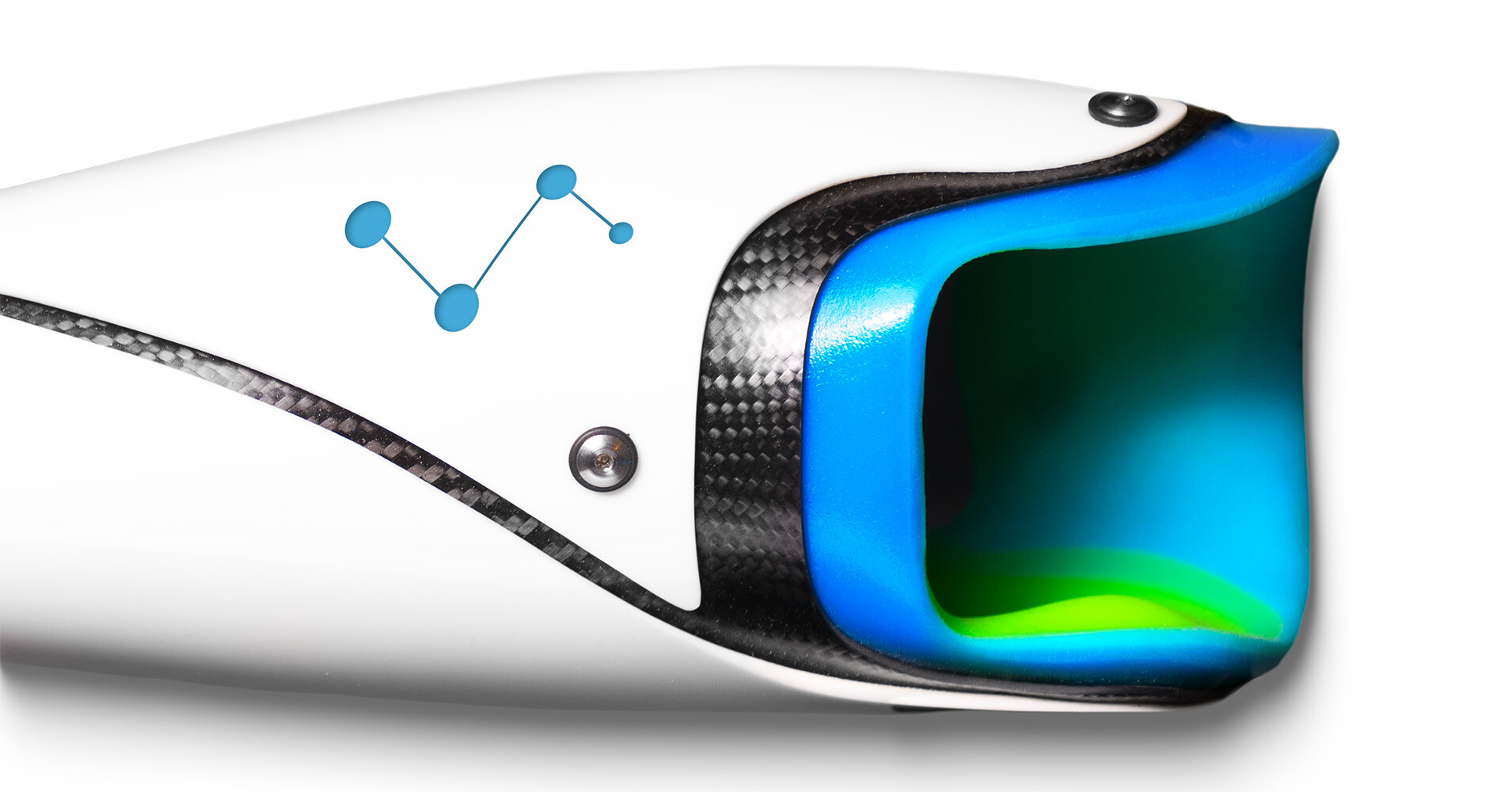
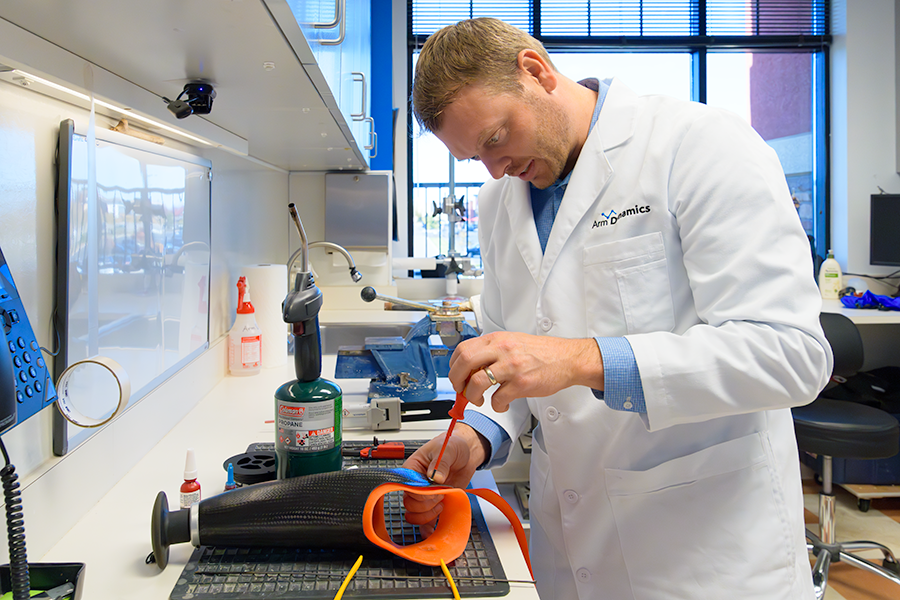
The socket is how the prosthesis interfaces with your body (the blue and green part in the image below) and it is the most important ingredient in the secret recipe. You may have an ETD, but unless you can wear the prosthesis without pain or undue restriction of range of motion, you’ll never maximize your ability to use it. The frame of the prosthesis is another factor as it holds all of those parts together and gives the prosthesis its strength and appearance. Our prosthetists, with the help of their technicians and prosthetic assistants, have learned how to create frames that are lightweight, comfortable and functional. Additionally, frames are customizable. We have several articles featuring galleries of some of the unique, creative and often beautiful designs our patients have chosen for their frames. When our patients create something that they think looks great, they’re more likely to wear it, which is the ultimate goal.

SiliconeSocketFeaturedImage

For the socket, we’ve found that many patients enjoy having a silicone socket. Its properties are relatively close to skin, so having that padding between your residual limb and your frame can really make for a comfortable experience. But that’s not all. Silicone feels cooler than thermoplastic and it can sometimes help scars heal! For some patients, it’s not the right choice, and we use other options. We figure out what’s right for our patients because we take the time to listen to them.

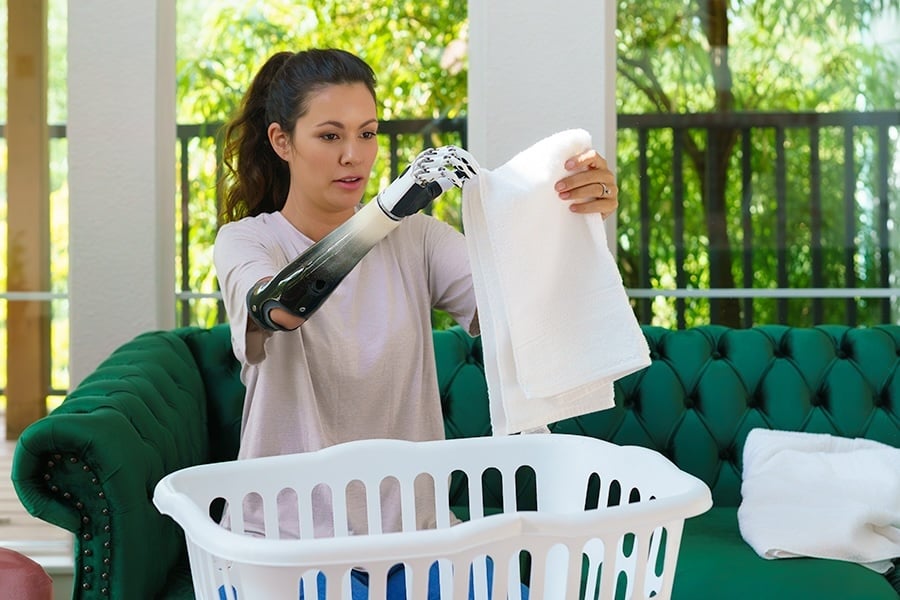
The listening process is a big deal. Once we decide, with the patient, what we’re creating, we start with an initial prosthesis. This prosthesis may look a little rough, because it’s essentially a rough draft. Once it’s ready, our patient puts it on. “How does it feel?” we ask them. But if someone’s never worn a prosthesis before, the answer is often: “I don’t know. Okay?” We don’t expect our patients to be experts. But our clinical therapy specialists, who are also on-site, are experts. Once a patient has that initial prosthesis, our clinical therapists start in with various tasks, both ADLs (activities of daily living) and tasks that are relevant to that patient. Do you use a shovel for work? We’ll hand you a shovel. Do you have a small child to take care of? Let’s figure out with you how to fold that stroller. How about cooking? Let’s get in the kitchen. As our patient works with the therapist, the therapist asks all the questions: “Do you feel pain when you do that?” and they note if anything feels unusual. They also celebrate the wins with the patient when suddenly they can do something they haven't been able to do for months or even years, or can do a task free of pain.

So our clinical therapy specialists take their time listening to and teaching our patients how to use their device. But all that feedback your therapist has been soliciting from you goes somewhere. They know how to translate all your feelings about your prosthesis and all the ways you can do various tasks with it to the prosthetist, so they can begin work on your “definitive” prosthesis. This is just our word for your “take-home” prosthesis. Once everyone, especially the patient, is satisfied with their prosthesis, it’s time to take it home.

Shaholly-Laundry-Listing

We don’t say “final” prosthesis because you may come back in a month’s time and say, “I wish the thumb moved a little less” or “I feel a small pinch right here when I wear my device for more than eight hours.” Your prosthesis is a tool that you are ideally using daily, and sometimes tools need to be calibrated. We’re here to do just that.

Our prosthetists and clinical therapy specialists are onsite every workday because we know how crucial it is for our patients to be fit with a device that helps them in their everyday lives. Once you are approved by your insurance provider, waiting around for a specialist to be at a center or for your device to arrive back from wherever it was shipped isn’t the type of prosthetic care that gets people back to their lives. You are the patient – we work for you.

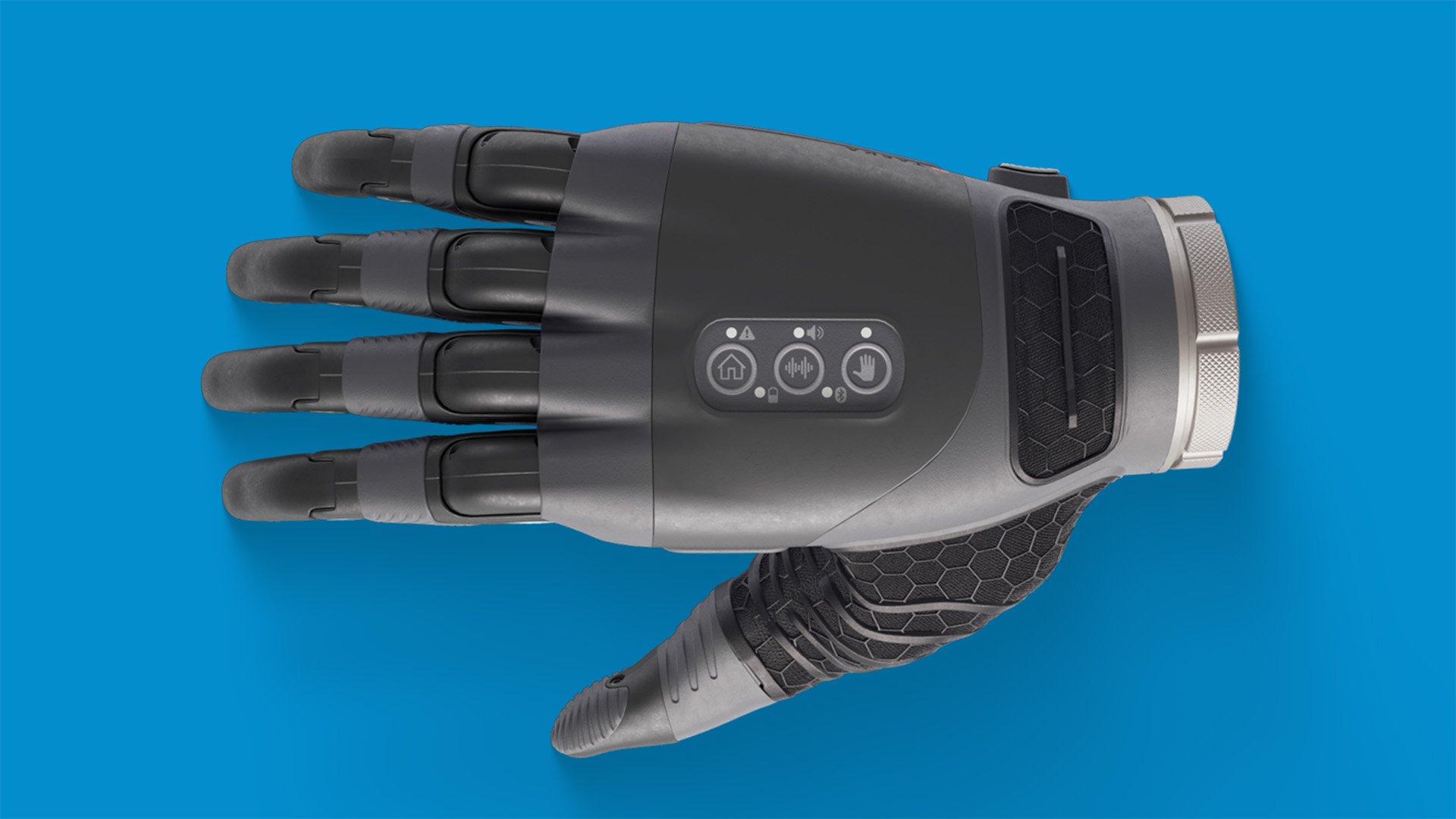
We know traveling can be difficult for our patients, which is why we created the Comprehensive Accelerated Fitting Process™. When Chris drives the three and a half hours to get to our center, we block out time with just him, like we did when he came recently to get his TASKA hand fit (pictured below). As Chris put it when talking about his old prosthetic center, “Just because they’re closer doesn’t mean they’re better.”

Taska Hand

If you have any questions for us or would like to learn more about setting up a complimentary consultation with our clinical teams (our prosthetists and clinical therapy specialists), please contact us. If you would like to leave a comment, please do so below.

Subscribe!

No Comments Yet

Let us know what you think